
CPSC Flags Rising Formaldehyde Failures in Composite Panels
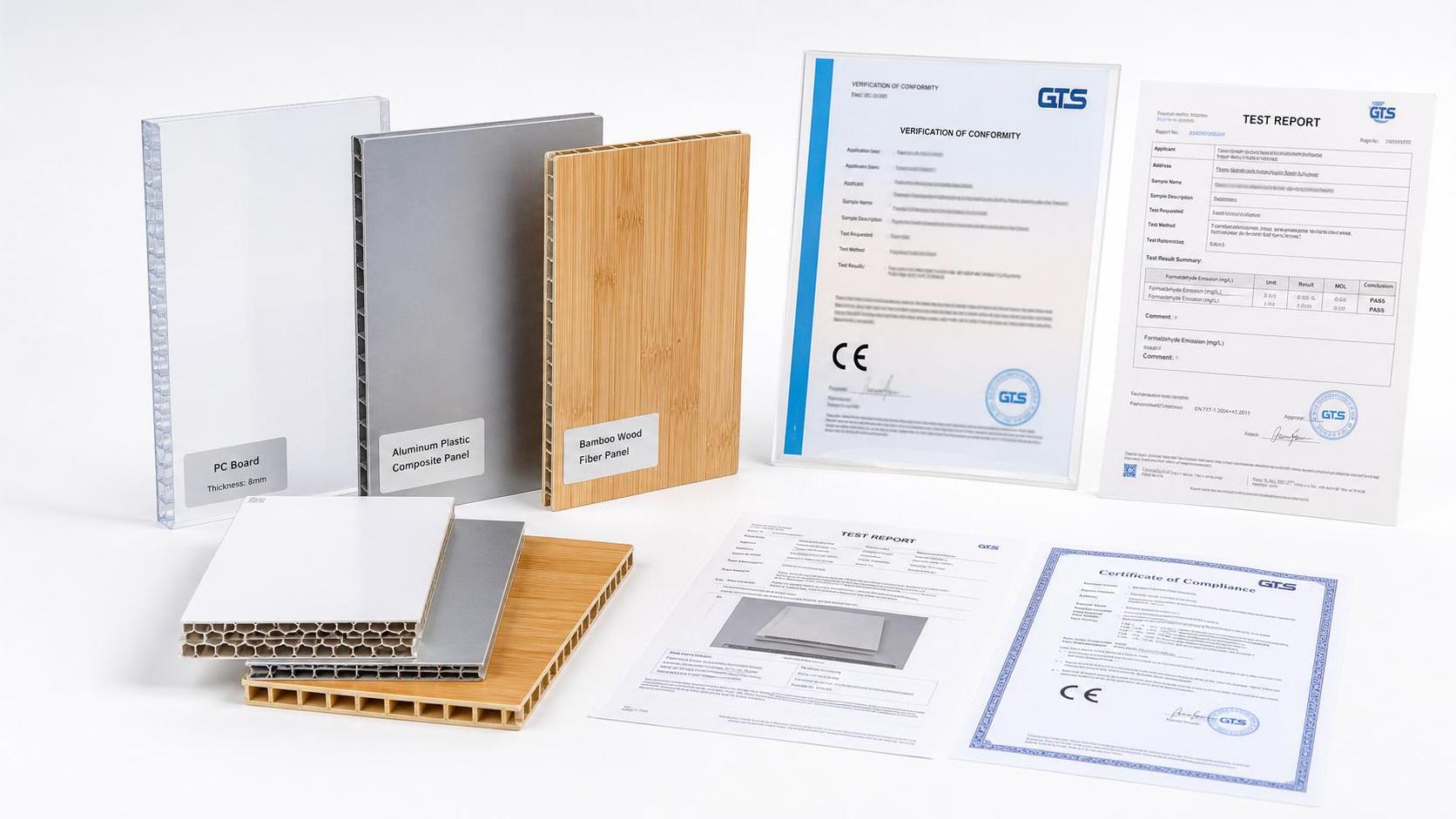
The timing of the underlying incidents is not specified in the provided information, but the regulatory signal is clear: in its June 19, 2026 brief on Q1 imported building materials safety monitoring, the U.S. Consumer Product Safety Commission (CPSC) highlighted a higher failure rate for formaldehyde emissions in Composite Panel products from Asia. For importers, exporters, suppliers, testing-related parties, and downstream buyers, this is worth close attention because the issue is no longer limited to product quality alone; it now directly affects due diligence records, certification files, order acceptance, and delivery continuity.
What the CPSC Brief Explicitly Says
According to the provided summary, the CPSC released the 2026 Q1 Imported Building Materials Safety Monitoring Brief on June 19, 2026. The brief states that excessive formaldehyde emissions were a prominent issue in Composite Panel products from Asia, including PC boards, aluminum composite panels, and bamboo-wood fiber boards. The reported inspection failure rate reached 18.7%, up 6.2 percentage points year on year.
The notice also states that importers must fulfill a “reasonable due diligence” obligation. They are required to retain suppliers’ CARB ATCM or TSCA Title VI certification documents, along with third-party test reports based on ASTM E1333 or ISO 12460-3. The summary further indicates that failure to maintain these materials may lead to product recalls and civil penalties. In addition, multiple U.S. home improvement retail chains have suspended acceptance of new Composite Panel orders that do not include a complete compliance package.
Where the Pressure Is Likely to Appear First
Import transactions are shifting from price review to file review
From an industry perspective, importers are likely to feel the most immediate pressure because the CPSC notice directly refers to their due diligence obligations. This means transaction review may increasingly focus not only on product specifications and pricing, but also on whether certification documents and third-party test reports are complete, current, and traceable to the supplied goods.
Export-side suppliers face tighter documentation expectations
Analysis shows that exporters and upstream manufacturers involved in Composite Panel supply may come under greater scrutiny from U.S. customers. The practical impact is likely to appear in pre-shipment documentation, technical file preparation, and supplier qualification reviews, especially where buyers request CARB ATCM or TSCA Title VI records together with testing evidence tied to ASTM E1333 or ISO 12460-3.
Retail and distribution channels may tighten order intake standards
Observably, the suspension of new orders without a complete compliance package suggests that downstream channels are already reacting at the purchasing gate. For distributors and retail-facing suppliers, this can affect order confirmation, onboarding of new stock-keeping units, and acceptance timelines, even before any formal enforcement action reaches the point of sale.
Testing and compliance service links may become more operationally important
What deserves closer attention is the growing role of testing records and certification retention in commercial execution. For compliance support teams and testing-related service providers, the issue is less about abstract regulatory awareness and more about whether documentation can support procurement, customs-related checks, customer audits, and potential post-sale traceability needs.
What Companies Should Watch Now
Check whether compliance files are complete before shipment and order booking
Analysis shows that companies handling the covered Composite Panel categories should closely review whether the compliance package is complete before shipment, contract release, or new order acceptance. The immediate concern is not merely having a certificate on file, but whether the supporting documents match the product and can be retained as part of a due diligence record.
Pay attention to how customers define an acceptable compliance package
The provided summary confirms that some U.S. home improvement chains have already paused orders lacking full documentation. It is therefore worth watching how buyers, distributors, and procurement teams define a “complete” package in practice, including the format, validity, and consistency of certification and testing materials.
Review delivery planning where documentation may delay acceptance
Observably, even without additional enforcement details, documentation gaps can already affect delivery schedules if customers delay booking, receiving, or releasing orders pending file review. Companies with active U.S.-bound business should therefore monitor whether compliance verification begins to influence shipment sequencing and procurement planning.
Keep tracking official wording and market-side implementation
Because the provided information does not include more detailed enforcement procedures, it is more appropriate to monitor how the notice is reflected in later official wording, customer requirements, and contract documents rather than assume a fully uniform market practice has already formed.
How This Signal Is Best Understood
Analysis shows that this development is best read as an execution signal with immediate commercial implications, rather than as a purely technical compliance reminder. The combination of a higher failed inspection rate, an explicit due diligence expectation for importers, and order suspensions by downstream buyers points to a stricter operating environment for documentation-based compliance in this product segment.
At the same time, it is also appropriate to view this as a rule dynamic that still requires observation. The supplied information confirms the direction of regulatory attention and buyer response, but it does not establish every detail of future enforcement intensity, document review standards, or market-wide implementation pace.
Why the Market Should Continue Following This
For the Composite Panel trade, the core significance of this update lies in how product compliance, procurement execution, and customer acceptance are becoming more tightly connected. The issue is not only whether emissions meet the required threshold, but whether businesses can demonstrate that compliance through retained certifications and recognized third-party testing records.
It is more appropriate to understand this development as a practical warning that documentation readiness is becoming part of transaction readiness. Companies connected to U.S.-bound Composite Panel business may need to treat certification files, testing support, and supplier traceability as active delivery conditions rather than background paperwork.
Basis of This Article
This article is generated based on the user-provided news title, event timing, and event summary. The specific official source link was not provided in the input and still needs to be verified on an ongoing basis. For events of this type, relevant source categories typically include official regulatory notices, agency releases, customs or trade authority updates, industry association materials, standards organization documents, and reporting by established media. What still requires continued observation includes any follow-up regulatory detail, certification interpretation in practice, changes in bidding or procurement documents, market feedback from buyers, and how companies implement the stated due diligence expectations.
Industry Briefing
Get the top 5 industry headlines delivered to your inbox every morning.