GTD Group modular bathroom base targets Gulf projects
On June 9, 2026, GTD Group disclosed a new patent for a modular waterproof structure for integrated bathroom bases, a move that matters not only as a product update but also as a compliance and delivery signal for Middle East projects. The disclosed design, together with its pre-screening for the UAE DMCC building materials whitelist, points to growing attention on entry review, transport practicality, on-site assembly requirements, and anti-leakage performance in large-bathroom developments, especially for exporters, project suppliers, procurement teams, and certification-related service providers serving Dubai- and Riyadh-linked demand.
What the company disclosed on June 9
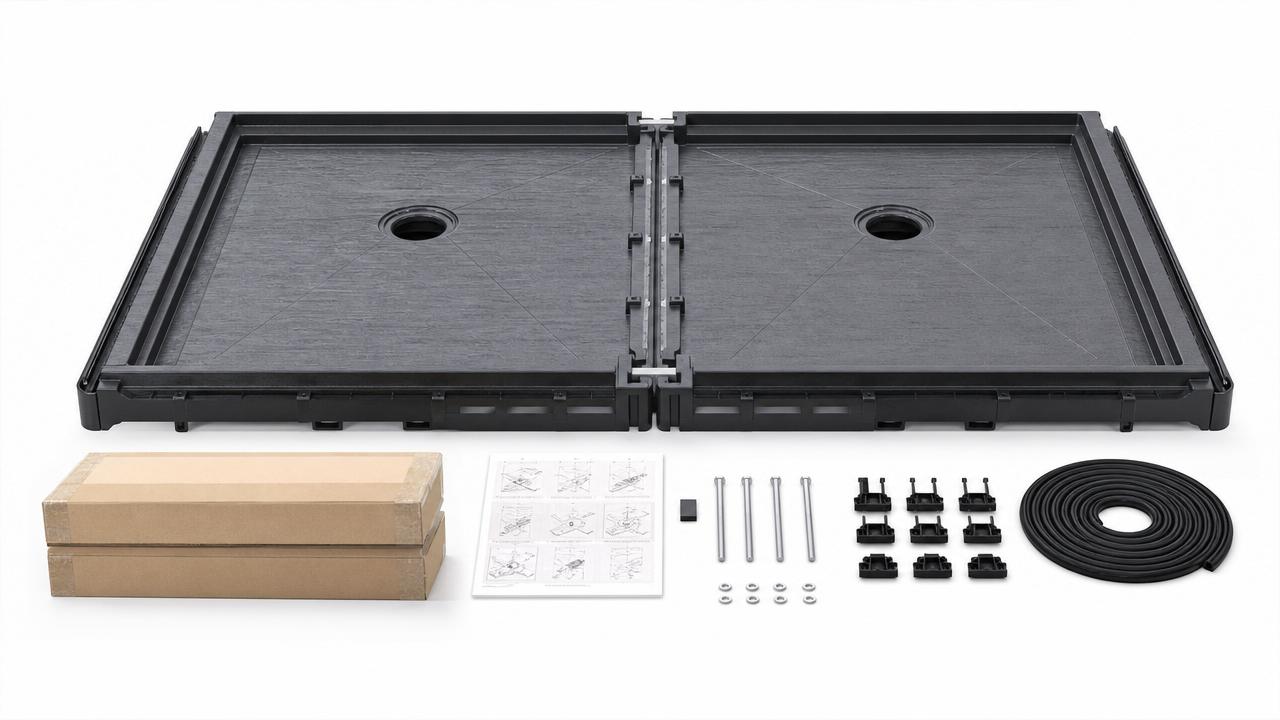
According to the provided event summary, Shenzhen-based GTD Group announced on June 9, 2026 a patent titled CN122169592A for an integrated bathroom dual-module base waterproof structure. The design splits a conventional one-piece base into two modules. Based on the disclosed summary, the change reduces transport volume by 45 percent, keeps the weight of each individual unit within 80 kg, and supports dry on-site assembly. The same summary states that the design has passed pre-screening for the UAE DMCC building materials whitelist and is particularly suited to large hotel and affordable housing projects in places such as Dubai and Riyadh, where large bathroom layouts, rapid delivery, and strict anti-leakage performance are important.
Why this matters across trade, procurement, and project delivery
Export supply is affected by entry review as much as by product design
From an industry perspective, the most immediate implication is for export-oriented building product suppliers targeting Middle East projects. The mention of DMCC whitelist pre-screening suggests that market access is not being judged only on price or basic specification fit, but also on whether a product can move through recognized review channels. For exporters and project vendors, that shifts attention toward product dossiers, compliance descriptions, and how technical claims are presented in market-entry or customer-review documents.
Procurement teams may re-evaluate transport and installation criteria
What deserves closer attention is the procurement side of large hotel and housing projects. A base that is split into two modules, with lower transport volume and a capped single-piece weight, may affect how buyers compare offers for logistics handling, site access, and installation planning. Analysis shows that this does not automatically change procurement rules by itself, but it can influence how buyers frame technical bid alignment, delivery schedules, packaging expectations, and on-site assembly requirements when selecting suppliers for oversized bathroom spaces.
Construction and after-sales roles face closer scrutiny on leakage risk
For contractors, installers, and after-sales service providers, the anti-leakage positioning is likely to be one of the most practical areas of attention. In project settings where waterproof performance is a rigid requirement, any modular structure must be assessed not only for transport convenience but also for how it is documented, assembled, and traced on site. Observably, this raises the importance of installation instructions, inspection records, and post-delivery accountability, especially where project owners are sensitive to handover speed and defect risk.
Certification and testing services may see demand for more project-specific support
Certification-related firms and testing service providers may also be affected because pre-screening, whitelist review, and technical acceptance often depend on whether supporting materials are complete and project-relevant. Analysis shows that suppliers working on modular bathroom systems may need closer coordination with third-party service providers on technical documents, test descriptions, and submission formats, even when the available public fact pattern remains limited to the patent disclosure and pre-screening reference provided here.
Practical points companies should watch now
Track how pre-screening language is used in commercial documents
Companies should pay close attention to how whitelist pre-screening is described in quotations, tender submissions, and customer communications. Based on the provided facts, the design has passed DMCC building materials whitelist pre-screening, but the input does not provide fuller execution details. That means businesses should avoid overstating the status and should keep documentation language precise and verifiable.
Prepare technical files around modular assembly and waterproof performance
For suppliers and export teams, the practical focus should be on technical files that explain the two-module structure, dry assembly method, transport characteristics, and waterproof logic in a clear and consistent way. Analysis shows that where projects emphasize rapid delivery and leakage prevention, technical documentation may carry more weight in review and procurement than a general product description alone.
Review tender and delivery terms for large-bathroom projects
Procurement-facing companies should monitor whether tender documents, specification sheets, or delivery conditions begin to place more explicit attention on module size, single-piece handling limits, or on-site assembly procedures for large bathroom applications. It is more appropriate to understand this as an area to watch rather than a confirmed market-wide rule change, because the input does not provide broader procurement language or formal regulatory text.
Strengthen traceability for installation and post-delivery service
Installers, project coordinators, and after-sales teams should consider whether their current records can clearly trace module delivery, assembly steps, and waterproof-related quality checks. Observably, products promoted on rapid installation and anti-leakage performance will face closer scrutiny if disputes arise after handover, making documentation discipline a practical compliance issue as well as a service issue.
A market-access signal, but not yet a full rule reset
Analysis shows that this development is best read as a market-access and execution signal rather than as proof of a broad new regulatory regime. The combination of modular design, reduced transport volume, lower single-unit weight, and DMCC whitelist pre-screening indicates where project acceptance criteria may be moving in practice: toward easier logistics, clearer compliance presentation, and better alignment with fast-track project delivery needs. At the same time, the available facts do not establish a wider policy revision, a new mandatory standard, or a confirmed procurement mandate across the region.
How the industry should read this stage
At this stage, it is more appropriate to understand the event as an early but concrete indicator of how product design, compliance review, and delivery practicality are becoming more tightly linked in export-oriented bathroom system projects. The significance lies less in the patent alone and more in the fact that pre-screening and project suitability are already being presented together. For industry participants, that supports a cautious reading: the signal is real, but the downstream impact on tender language, acceptance practice, and project execution still needs continued observation.
Basis of this article and what still needs verification
This article is generated from the user-provided news title, event date, and event summary. For developments of this kind, relevant source categories typically include company announcements, regulator or trade authority releases, customs or trade administration information, industry association updates, standard-setting documents, certification materials, and reporting by established industry media. No specific official source link was provided in the input, so the official source chain still requires ongoing verification. What still needs to be watched includes any later policy detail, certification interpretation, tender-document changes, market feedback, and evidence of how companies implement these requirements in actual project delivery.
Industry Briefing
Get the top 5 industry headlines delivered to your inbox every morning.