
APEC Green Building Materials Mutual Recognition Framework Reached
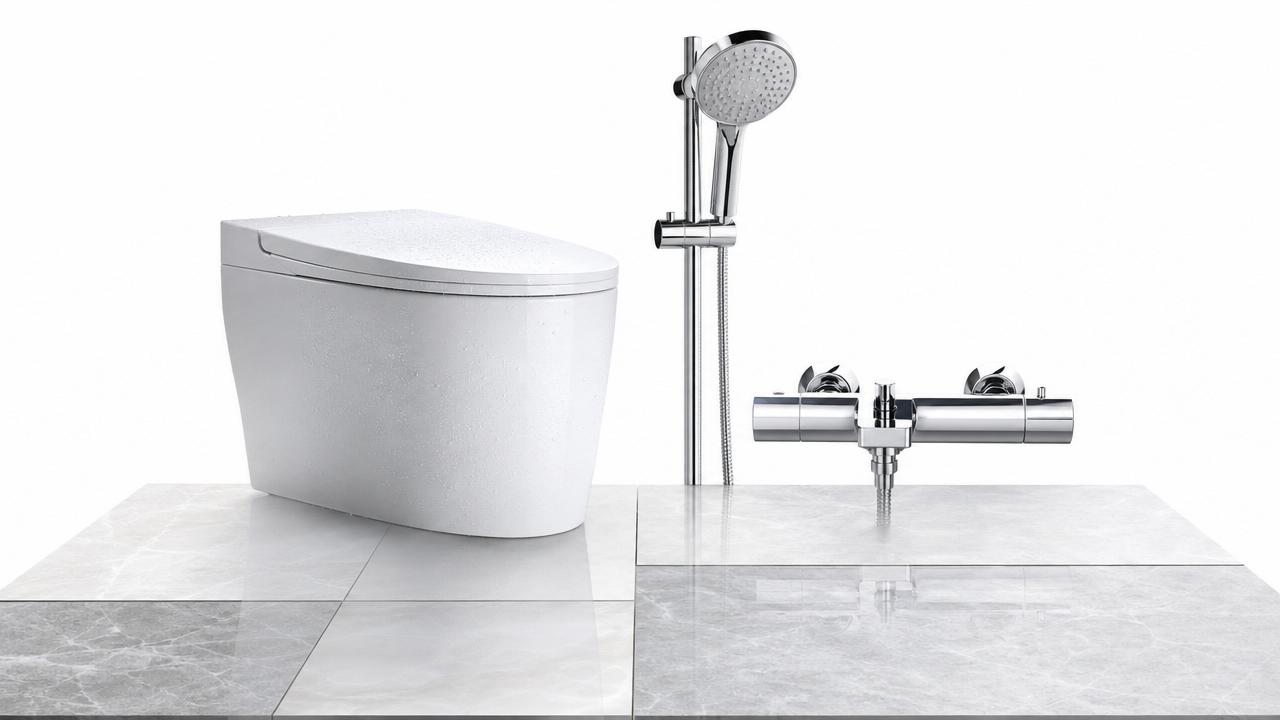
APEC member economies have reached a principle-based consensus on the APEC Green Building Materials Mutual Recognition Framework, as confirmed in a closed-door briefing by the APEC Secretariat on May 13, 2026. The framework initially covers three product categories: Tiles & Ceramics, Smart Toilets, and Faucets & Showers. Chinese manufacturers in these sectors—particularly ceramics and bathroom fixture producers—may now apply for pre-assessment of the APAC Green Pass via China’s General Administration of Customs ‘Green Clearance Service Portal’. Successful applicants will gain access to expedited inspection and quarantine procedures and tariff facilitation across participating APEC economies.
Event Overview
On May 13, 2026, the APEC Secretariat issued a closed-door briefing indicating that 11 APEC member economies have reached a principle-based consensus on the APEC Green Building Materials Mutual Recognition Framework. The framework identifies Tiles & Ceramics, Smart Toilets, and Faucets & Showers as its first covered product groups. Chinese enterprises may submit pre-assessment applications for the APAC Green Pass through the General Administration of Customs’ ‘Green Clearance Service Portal’, effective immediately. Upon certification, holders are eligible for customs inspection and quarantine fast-track treatment and tariff-related facilitation in participating economies.
Industries Affected
Direct Exporters (Ceramic Tile & Sanitaryware Manufacturers)
These firms are directly impacted because their core export products—ceramic tiles, smart toilets, and faucets/showers—are explicitly included in the initial scope. Eligibility for the APAC Green Pass could reduce border clearance time and lower compliance-related costs when exporting to participating APEC markets.
Raw Material Suppliers (Clay, Glaze, Sensor, and Actuator Providers)
Suppliers supporting certified manufacturers may face upstream alignment requirements. Though not directly covered by the framework, consistency in environmental performance data (e.g., embodied carbon, VOC emissions) may become a de facto expectation for traceability and verification during APAC Green Pass assessment.
Contract Manufacturers & OEM/ODM Producers
Entities producing under third-party brand names must ensure their production processes and documentation meet the green criteria referenced in the framework—even if they do not hold the final export license. Brand owners may require certified manufacturing partners to maintain eligibility for APAC Green Pass–enabled shipments.
Distribution & Import Agents in APEC Markets
Importers and distributors in participating economies may see shifts in lead times and documentation handling for incoming shipments bearing the APAC Green Pass. They should prepare to verify pass validity and adjust internal customs coordination workflows accordingly.
Key Points for Enterprises and Practitioners
Monitor official implementation timelines and scope expansions
The current consensus is principle-based—not yet operational. Enterprises should track formal announcements from both the APEC Secretariat and China’s General Administration of Customs regarding application guidelines, technical criteria, and rollout schedules for full certification.
Prioritize pre-assessment for high-volume export categories
Tiles & Ceramics represent the largest export segment among the three listed categories. Firms with significant shipments to APEC markets—including Vietnam, Malaysia, Mexico, and Chile—should prioritize pre-assessment submissions to inform internal readiness planning.
Distinguish between policy signal and enforceable requirement
The APAC Green Pass remains a voluntary, pre-certification mechanism at this stage. It does not replace existing national conformity assessments (e.g., CCC, CE, or local sanitary standards). Companies should treat it as a complementary trade facilitation tool—not a substitute for regulatory compliance.
Prepare documentation aligned with green building material criteria
Though specific evaluation criteria have not been publicly released, pre-assessment likely requires basic environmental data: energy use per unit, raw material sourcing transparency, water consumption (for smart toilet/faucet testing), and packaging recyclability. Firms should begin compiling relevant internal records now.
Editorial Perspective / Industry Observation
Observably, this development functions primarily as a procedural signal—not an immediate operational shift. The principle-based consensus reflects growing political alignment on green trade infrastructure within APEC, but actual implementation hinges on inter-economy technical harmonization and domestic regulatory adoption. Analysis shows the framework is better understood as a foundational step toward regional green standard interoperability, rather than a near-term compliance mandate. From an industry perspective, sustained attention is warranted because subsequent phases—such as inclusion of additional product categories (e.g., insulation, structural panels) or integration with carbon labeling initiatives—could broaden impact significantly.
This initiative marks a formalized effort to align sustainability claims with cross-border trade facilitation in the building materials sector. However, its current status remains preparatory: no binding obligations, no published technical annexes, and no confirmed start date for full certification. Enterprises should treat it as a strategic horizon indicator—not an urgent compliance trigger.
Information Sources
Main source: APEC Secretariat closed-door briefing, May 13, 2026.
Additional reference: Public notice issued by China’s General Administration of Customs regarding the ‘Green Clearance Service Portal’ and APAC Green Pass pre-assessment channel.
Note: Technical criteria, participating economy list beyond the stated 11, and official launch timeline for full certification remain pending public release and are subject to ongoing observation.
Industry Briefing
Get the top 5 industry headlines delivered to your inbox every morning.