How material science applications are changing tile durability
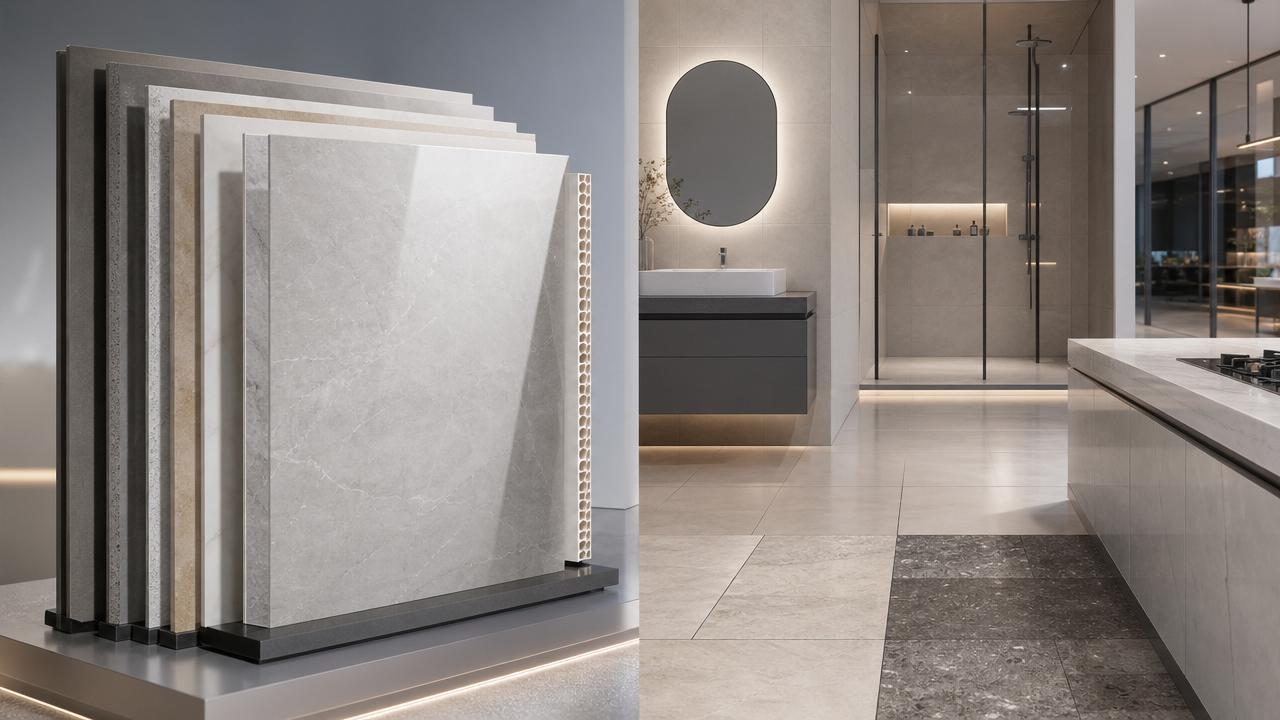
For technical evaluators, understanding how material science applications improve tile durability is now essential to accurate product selection and long-term performance assessment.
Across residential and commercial spaces, durability standards are shifting fast.
Advanced formulations, denser bodies, and engineered surfaces are changing how tiles resist wear, moisture, impact, stains, and thermal stress.
This matters because tile performance now influences lifecycle cost, safety, hygiene, maintenance planning, and sustainability targets.
In that context, material science applications are no longer a niche topic.
They have become a practical benchmark for modern architectural and interior decision-making.
Why tile durability is entering a new material era
The tile industry once competed mainly on appearance, price, and size.
Today, performance under real conditions drives far more attention.
Heavy foot traffic, aggressive cleaning agents, underfloor heating, wet zones, and outdoor exposure all create demanding service environments.
As a result, material science applications are being used to strengthen the full tile system, not just the visible face.
This includes the body composition, pore structure, firing profile, glaze chemistry, and protective coatings.
The broader building sector also supports this shift.
Green construction standards, hygiene expectations, and longer service-life goals are pushing materials toward smarter engineering.
For GIAM’s industry perspective, this change reflects a deeper convergence between construction performance and interior value.
The clearest trend signals behind material science applications
Several signals show why material science applications are reshaping durability benchmarks across the integrated building materials landscape.
- Porcelain and high-density bodies are gaining share in high-use environments.
- Nano-scale coatings are improving stain resistance and easier cleaning.
- Anti-bacterial and low-absorption surfaces are becoming more relevant in sanitary spaces.
- Digital manufacturing now allows tighter control of composition and firing consistency.
- Sustainability goals are increasing interest in durable materials with lower replacement frequency.
These signals do not act separately.
Together, they elevate durability from a simple hardness question to a system-level performance issue.
What is driving these breakthroughs in tile performance
The most important drivers can be grouped into technical, commercial, and regulatory forces.
In practical terms, material science applications are becoming the hidden engine behind visible reliability.
Core technical upgrades changing durability outcomes
- Refined mineral blends reduce porosity and improve flexural strength.
- Nano-coatings create barriers against oils, dyes, and acidic cleaners.
- High-temperature sintering increases compactness and structural integrity.
- Additives improve thermal shock resistance in heated or outdoor applications.
- Engineered glazes lower visible wear in commercial circulation zones.
How material science applications change performance in real environments
Durability is never measured in the factory alone.
It must be judged under site-specific conditions.
This is where material science applications have the strongest impact.
In bathrooms and sanitary areas, lower water absorption helps limit internal damage and surface deterioration.
In kitchens, improved chemical resistance protects against food acids, oils, detergents, and frequent cleaning.
In commercial corridors, stronger wear layers preserve slip behavior and surface appearance over longer periods.
In outdoor installations, thermal stability and freeze-thaw resistance become decisive.
These differences show why durability cannot be reduced to one universal rating.
Material selection must align with the actual stress profile of each space.
Application-specific effects worth tracking
- Wet areas: lower absorption, better anti-mold support, improved surface stability.
- Retail and hospitality: higher abrasion resistance, better visual retention, easier cleaning.
- Healthcare-linked spaces: cleaner surfaces and stronger response to hygiene protocols.
- Exterior zones: better resistance to temperature cycling and environmental exposure.
The wider impact across building, design, and operations
The rise of material science applications influences more than the tile itself.
It changes design expectations, maintenance models, and specification logic across the building chain.
Design teams gain more freedom when surfaces can combine aesthetics with reliable endurance.
Facility operations benefit when durable finishes reduce replacement cycles and service interruptions.
Sustainability planning also improves because longer-lasting materials reduce waste and embodied resource loss over time.
For an intelligence-led platform such as GIAM, this confirms that durability innovation now intersects with carbon reduction, hygiene, and smart living standards.
There is also a commercial implication.
As performance data becomes more transparent, weak durability claims are easier to challenge.
That pushes the market toward evidence-based comparison instead of appearance-only judgment.
What deserves the closest attention when evaluating durable tiles
To interpret material science applications correctly, several factors deserve close review.
- Water absorption rate and its relation to intended environment
- Surface hardness, abrasion resistance, and scratch tolerance
- Resistance to stains, acids, alkalis, and cleaning chemicals
- Flexural strength and impact performance under load
- Thermal shock behavior for heated floors or exterior settings
- Consistency between declared specifications and tested outcomes
- Compatibility with installation systems and grout performance
A durable tile can still fail if the substrate, adhesive, or joint system is poorly matched.
That is why material science applications should be assessed as part of a full assembly logic.
A practical way to judge future-ready durability strategies
This approach helps convert material science applications from technical language into usable project judgment.
Where the next durability gains are likely to emerge
The next phase will likely combine performance, sustainability, and digital verification.
Expect stronger use of recycled inputs without sacrificing structural strength.
Expect smarter coatings that maintain hygiene while reducing harsh cleaning needs.
Expect more transparent testing records and batch-level quality traceability.
In other words, material science applications will increasingly define both durability and trust.
For anyone tracking building materials, the most valuable next step is to compare claimed innovation with verified performance under actual use conditions.
Use that evidence to refine specifications, benchmark alternatives, and identify which material science applications truly deliver lasting tile durability.
Industry Briefing
Get the top 5 industry headlines delivered to your inbox every morning.