Industrial Design Trends Influencing Surface and Finish Choices
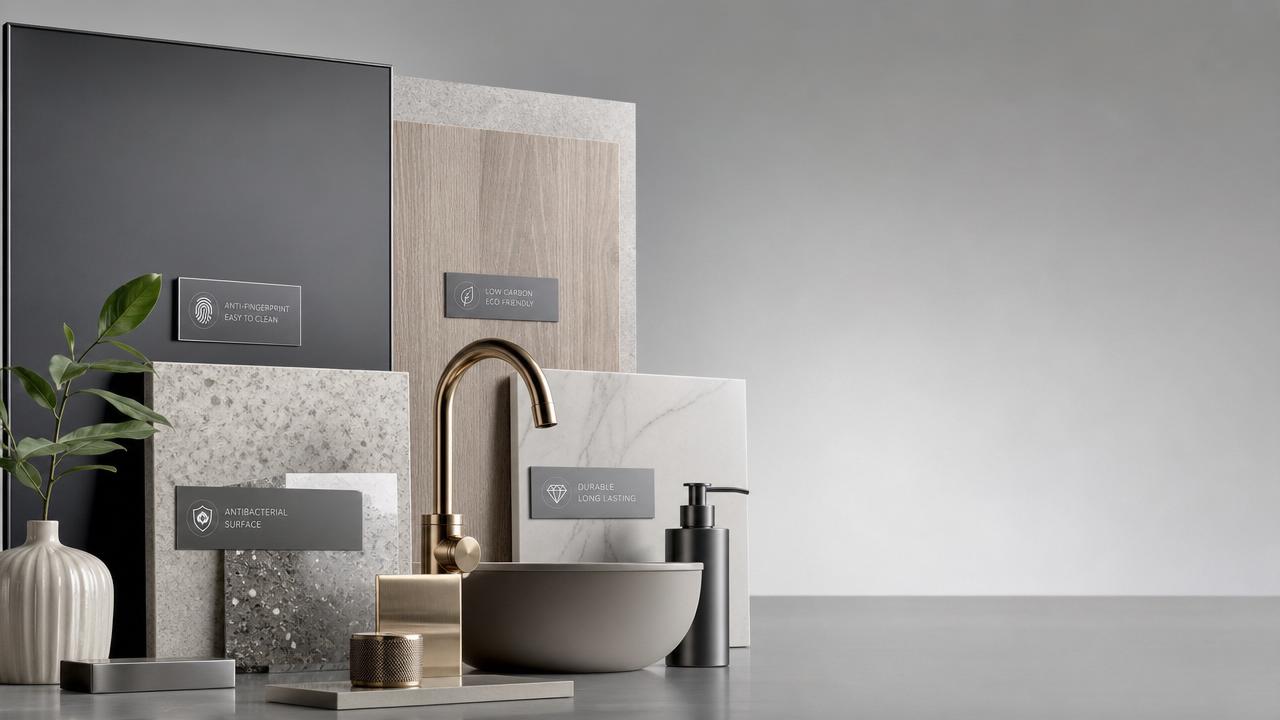
Industrial design trends are reshaping how distributors, dealers, and agents evaluate surface and finish choices across building materials and smart interior systems. From durable antibacterial coatings to low-carbon textures and premium visual effects, these shifts are influencing product positioning, project demand, and market competitiveness. Understanding these trends helps channel partners align with evolving architectural preferences and capture higher-value opportunities in global residential and commercial spaces.
Why a checklist approach works best for reading industrial design trends
For channel partners, industrial design trends are not just creative signals. They affect inventory decisions, showroom strategy, pricing structure, bid competitiveness, and supplier selection. A distributor may see rising demand for matte anti-fingerprint finishes, but without checking durability, maintenance, compliance, and visual consistency across product lines, the trend can become a commercial risk instead of an opportunity.
That is why a checklist is more useful than a broad trend summary. Dealers and agents need a practical way to judge which surface and finish choices are truly market-ready, which ones fit residential or commercial projects, and which trends have enough staying power to justify promotion. In sectors connected to tiles, sanitary spaces, architectural panels, smart kitchen systems, and decorative hardware, fast visual appeal must always be tested against long-term performance and project economics.
First review: the key industrial design trends influencing surface and finish choices
Before comparing products, it helps to identify the industrial design trends currently shaping specification decisions. These trends are especially relevant for GIAM’s audience in global building materials and smart interior systems.
- Low-sheen and matte finishes are gaining ground because they communicate calm, premium design while reducing visible fingerprints and glare in kitchens, bathrooms, and commercial washrooms.
- Antibacterial and easy-clean surfaces are moving from niche to mainstream, especially in hospitality, healthcare-related facilities, urban residential towers, and high-traffic public spaces.
- Natural and mineral-inspired textures, including stone-look, brushed metal, concrete visuals, and wood-effect grains, continue to perform because they balance warmth with architectural credibility.
- Low-carbon and recycled-material finishes are increasingly important as buyers respond to green building requirements, ESG expectations, and public procurement standards.
- Smart-compatible surfaces are rising in relevance, including coatings and finishes that integrate well with touch controls, moisture resistance, concealed hardware, and intelligent kitchen or bath systems.
- Soft metallics and refined luxury textures are replacing overly reflective glamour in many premium segments, creating a more understated value perception.
These industrial design trends do not carry equal weight in every market. The smart move is to use them as a filter, not a conclusion. The next step is checking which finish attributes actually convert into orders, specifications, and repeat business.
Core checklist: what distributors should verify before adopting a finish trend
1. Confirm whether the trend has project demand, not just visual popularity
A finish may look strong in trade fairs or social media, yet fail in procurement. Ask whether architects, developers, contractors, or retail buyers are already specifying the finish. Review bid documents, showroom inquiries, and recent project categories. A trend has real value when it appears repeatedly in target applications such as apartment bathrooms, branded hospitality interiors, office break areas, or premium kitchen renovations.
2. Check durability under actual use conditions
Surface and finish choices must match traffic level, humidity, cleaning frequency, and touch intensity. Industrial design trends often highlight appearance first, but distributors should verify abrasion resistance, scratch tolerance, stain resistance, moisture behavior, UV stability, and cleaning-chemical compatibility. A finish that performs well in a display sample but degrades in a commercial washroom can damage both margin and reputation.
3. Evaluate maintenance expectations
Many buyers now prefer finishes that look premium without demanding intensive care. Matte textures, nano-coated surfaces, and anti-scale bathroom finishes can be excellent sales points, but only if claims are backed by maintenance guidance. Dealers should request cleaning protocols, acceptable detergent ranges, and user-facing care instructions from manufacturers.
4. Verify consistency across batches and product families
One common issue in trend-led surfaces is visual inconsistency. Slight color drift, gloss variation, or texture mismatch across panels, taps, sinks, tiles, or accessories can create installation disputes. This matters even more when industrial design trends favor nuanced tones such as warm grey, muted bronze, graphite, sand, or stone-inspired matte finishes. Batch control and cross-category coordination are essential.
5. Assess sustainability and compliance value
Low-emission finishes, recyclable content, water-based coatings, and reduced-carbon production methods increasingly influence specification decisions. For distributors serving export markets or large project channels, it is important to ask which certifications, declarations, or technical documents support the sustainability story. Industrial design trends linked to eco-materials gain more traction when they are documented, not merely marketed.
6. Map the finish to margin potential
Not every trend deserves inventory investment. Check whether the finish supports premium pricing, bundle sales, or category expansion. Some finishes work best as flagship differentiators, while others are effective only in project packages. The commercial question is simple: does this trend help you sell more volume, improve unit value, or enter better customer segments?
Quick comparison table for surface and finish decisions
How industrial design trends differ by customer type and project scenario
The same finish should not be sold the same way to every buyer. Distributors and agents need scenario-specific judgment.
Residential channel
Homeowners and residential developers usually respond to comfort, maintenance simplicity, and visual harmony. Here, industrial design trends such as warm neutrals, tactile matte textures, anti-smudge cabinetry surfaces, and spa-like bathroom finishes often perform well. The strongest sales argument is not novelty alone, but how the finish improves daily use while supporting a modern interior identity.
Commercial and hospitality projects
Commercial buyers prioritize lifecycle value. They may appreciate trend-driven design, but they also ask about cleaning speed, replacement cycles, finish stability, and visual endurance under heavy use. Refined metallics, hygienic coatings, durable compact surfaces, and coordinated wall-to-fixture palettes often create stronger project appeal than highly experimental finishes.
Public and institutional environments
In schools, transportation facilities, civic projects, and regulated sanitary spaces, industrial design trends matter only when they support safety, hygiene, and maintenance efficiency. Anti-bacterial treatments, anti-slip textures, low-VOC finishes, and proven wear resistance should be prioritized over purely decorative effects.
Common oversights that weaken finish selection decisions
- Treating trend color and finish performance as the same issue. A popular tone does not guarantee field durability.
- Ignoring touch frequency. Handles, control panels, faucet surfaces, and cabinet fronts experience different wear than wall panels or decorative boards.
- Overlooking local climate effects such as humidity, hard water, heat, or sunlight exposure.
- Failing to check how the finish works across a full space system, including tiles, fixtures, hardware, and smart devices.
- Using sustainability claims without technical backing, which can slow approvals or weaken trust in project negotiations.
- Stocking too many trend-led SKUs before confirming repeat demand from target buyers.
Execution guide: how to turn industrial design trends into channel growth
- Build a trend shortlist. Limit the list to finishes with evidence from active projects, not only design media visibility.
- Request technical documents early. Gather test reports, cleaning instructions, sustainability declarations, and sample consistency data before promotion.
- Segment by market level. Decide which finishes belong in entry, mid-range, or premium lines to protect pricing logic.
- Create application-based selling tools. Show how each finish fits kitchens, bathrooms, facades, hospitality, or mixed-use developments.
- Train sales teams on objection handling. They should explain maintenance, durability, and return-on-design value clearly.
- Monitor conversion after launch. Track quotation acceptance, project feedback, claims, and reorder frequency to decide whether the trend deserves expansion.
What to prepare before discussing new finish programs with suppliers or partners
If your company wants to act on industrial design trends more confidently, prepare a simple information package before the next supplier meeting. Include target project types, expected price band, climate and use conditions, preferred certifications, sample quantity needs, lead-time tolerance, and whether the finish must align with smart kitchen or sanitary system components. This prevents trend discussions from staying abstract and turns them into commercially useful planning.
It is also wise to ask suppliers how often they refresh finish collections, how they manage batch stability, and whether they support coordinated materials across multiple product categories. In today’s market, value comes from system compatibility as much as from standalone visual appeal.
Final takeaway for dealers, distributors, and agents
Industrial design trends are shaping surface and finish choices in ways that directly affect channel competitiveness. The most successful partners will not simply chase what looks new. They will screen trends through a practical checklist: demand signal, durability, maintenance, consistency, sustainability, and margin potential. That approach helps identify which finishes deserve promotion in residential, commercial, and institutional spaces.
If you need to move from trend awareness to selection planning, the next step is to confirm product parameters, finish performance data, project fit, lead times, stocking strategy, and cooperation model with your supply partners. For businesses working across building materials, sanitary environments, and smart kitchen or bath systems, that level of preparation creates stronger positioning and better results in a market increasingly shaped by design-led buying decisions.
Industry Briefing
Get the top 5 industry headlines delivered to your inbox every morning.