
Jingdezhen Ceramics Expo Showcases Digital Technology in Traditional Pottery
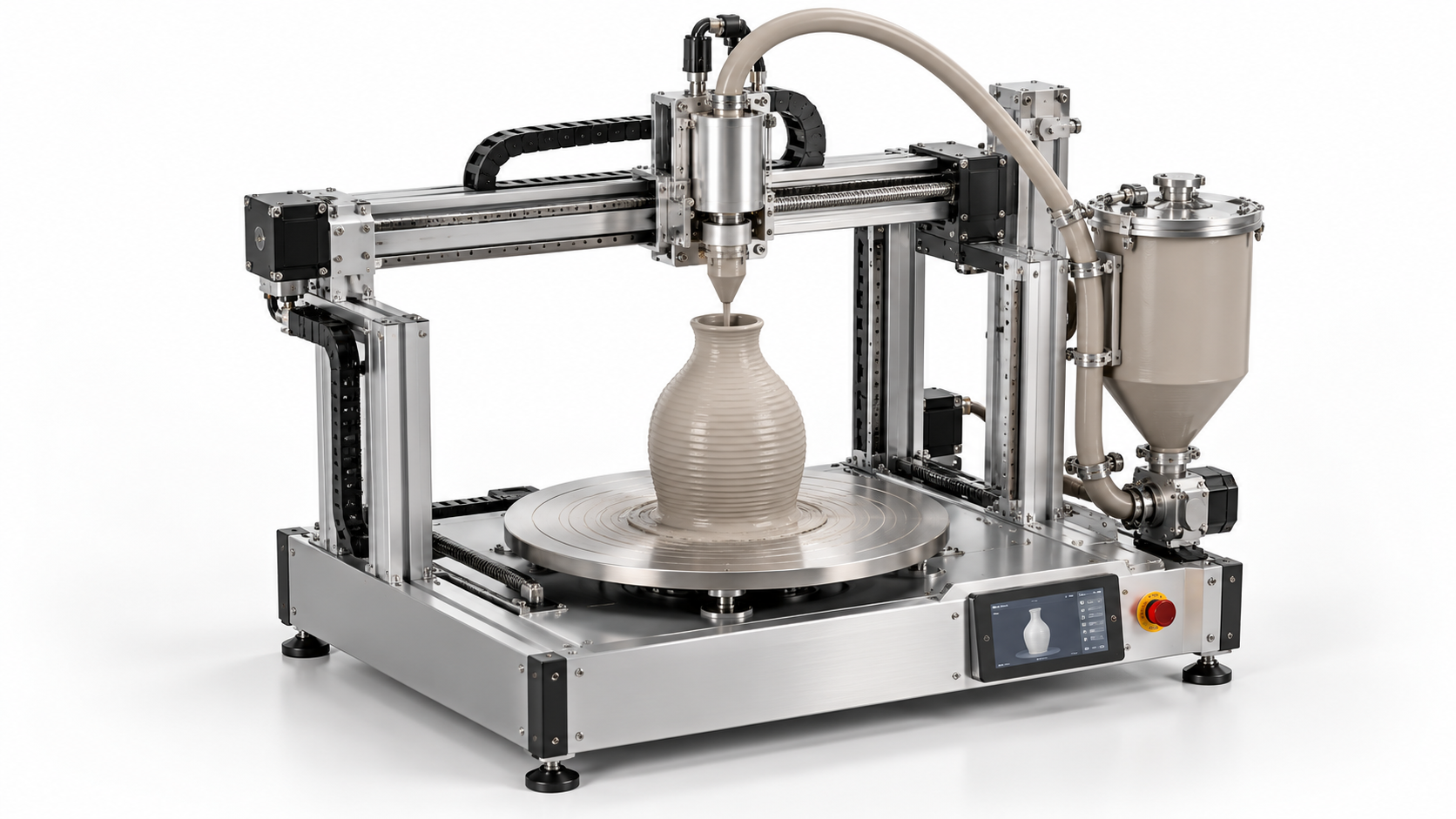
The supplied account of the 2026 China Jingdezhen International Ceramic Expo, dated October 18–22, 2026, highlights the integration of digital technology into traditional ceramics production. Its displays bring equipment procurement, quality acceptance and product documentation into focus for manufacturers, equipment suppliers and buyers. However, the information provided identifies no new policy, standard, certification requirement or trade rule. From an industry perspective, the event is therefore best assessed as a technology adoption signal whose implications for purchasing and compliance require further verification.
Digital Equipment Across the Ceramics Production Process
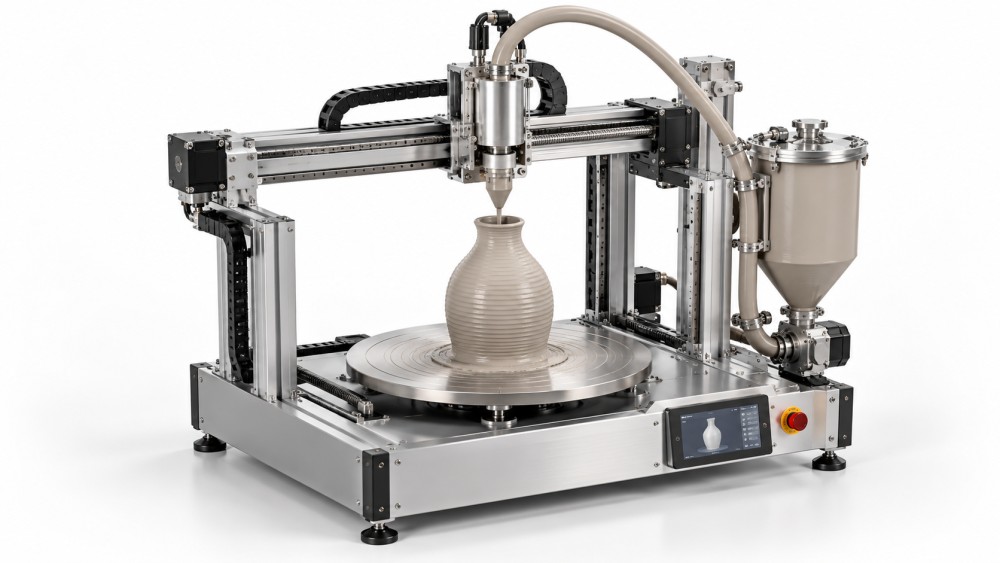
The supplied event summary describes an exhibition covering 140,000 square meters and attracting more than 1,000 buyers from 19 countries and regions. Exhibits include ceramic 3D printers, intelligent glazing machines and AI quality inspection machines, alongside innovative products such as a ceramic smart cup for health management.
The account presents digital technology as becoming more deeply integrated into traditional ceramic craftsmanship, opening additional possibilities for personalized expression and industrial transformation.
Where Procurement and Quality Requirements Could Evolve
Manufacturers Evaluating Printing, Glazing and Inspection
Analysis suggests that the equipment on display could prompt ceramic manufacturers to reconsider how they specify production capability and verify finished quality. If manufacturers adopt these systems, procurement discussions may need to address repeatability, compatibility with existing processes and the evidence used to accept equipment performance. These are potential purchasing considerations; the supplied account does not establish new mandatory production requirements.
Equipment Suppliers Translating Demonstrations into Deliveries
From an industry perspective, equipment suppliers and integrators may face closer questions about how exhibition demonstrations translate into routine production. Buyers could seek clearer technical specifications, installation conditions, operator guidance and acceptance procedures. For AI inspection equipment in particular, an assessment could examine which defects a system is intended to identify and how its results would be checked against the buyer's quality criteria.
Buyers Assessing Personalized and Health-Related Products
Analysis suggests that personalized ceramics could require closer agreement between buyers and manufacturers on approved designs, sample acceptance and consistency across orders. For the ceramic smart health management cup, buyers may also wish to examine the precise functions and supporting documentation before making procurement or marketing decisions. The supplied summary does not establish medical functionality, certification status or permission to make particular health claims.
Checks to Consider Before Converting Interest into Orders
Define Acceptance Criteria for Each Production Step
As a practical recommendation, manufacturers considering ceramic 3D printing, intelligent glazing or AI inspection could request demonstrations using representative products and agreed evaluation criteria. Recording those criteria in procurement documents may help clarify what constitutes satisfactory delivery. Exhibition participation alone does not establish suitability for a particular production line.
Match Compliance Evidence to the Product and Destination
For buyers considering domestic sales or exports, a useful next step would be to identify the requirements applicable to the actual product, its intended use and its destination market. Any relevant test reports, certificates or technical documents could then be checked against that scope. The input provides no basis for concluding that a new certification route, export restriction or customs procedure has been introduced.
Review the Basis for Health Management Claims
For the smart cup, procurement and sales teams could request a clear description of the advertised health management functions and evidence supporting those descriptions. Analysis suggests that distinguishing demonstrated capabilities from broader promotional language would help buyers assess the product. No conclusion about its regulatory classification can be drawn from the supplied information.
Clarify Support and Quality Records Before Delivery
As a purchasing consideration, companies could assess supplier support, maintenance arrangements and the records available to investigate quality issues after installation. Where digital equipment informs production or inspection decisions, buyers may wish to agree how relevant settings and results will be documented. These are suggested contractual checks, rather than confirmed obligations arising from the expo.
A Technology Signal Without a Confirmed Regulatory Change
At this stage, it is more appropriate to understand the exhibition as evidence of the technologies being presented to the ceramics industry than as evidence of regulatory implementation. The supplied account contains no policy text, issuing authority, effective date or enforcement provision from which a rule change could be established.
Editorial analysis suggests that subsequent procurement specifications, verified product documentation and feedback from actual installations would be more useful for judging operational impact. Any later official standards or certification guidance would need separate verification before companies treated them as binding requirements.
Ground Purchasing Decisions in Verified Capabilities
The exhibition account places digital production equipment and innovative ceramic products within the same industry setting. From an analytical perspective, its immediate value for businesses lies in identifying capabilities to investigate and questions to include in supplier discussions. Companies can assess production performance, documentation and delivery commitments while continuing to verify whether any relevant rules have actually changed.
Basis of This Article and Matters Requiring Follow-Up
This article is based solely on the user-provided news title, event dates and event summary. The input provides no specific official source links; the event details and any subsequent regulatory developments therefore remain subject to continued verification.
Potential sources for follow-up include official exhibition announcements, relevant regulatory publications, standards documents and verified industry reporting. Further assessment should distinguish any confirmed policy details or certification interpretations from changes in tender specifications, trade procedures, supplier practices and industry feedback.
Industry Briefing
Get the top 5 industry headlines delivered to your inbox every morning.