
Australia Imposes Anti-Dumping Duties on Chinese Hot-Rolled Steel Coils
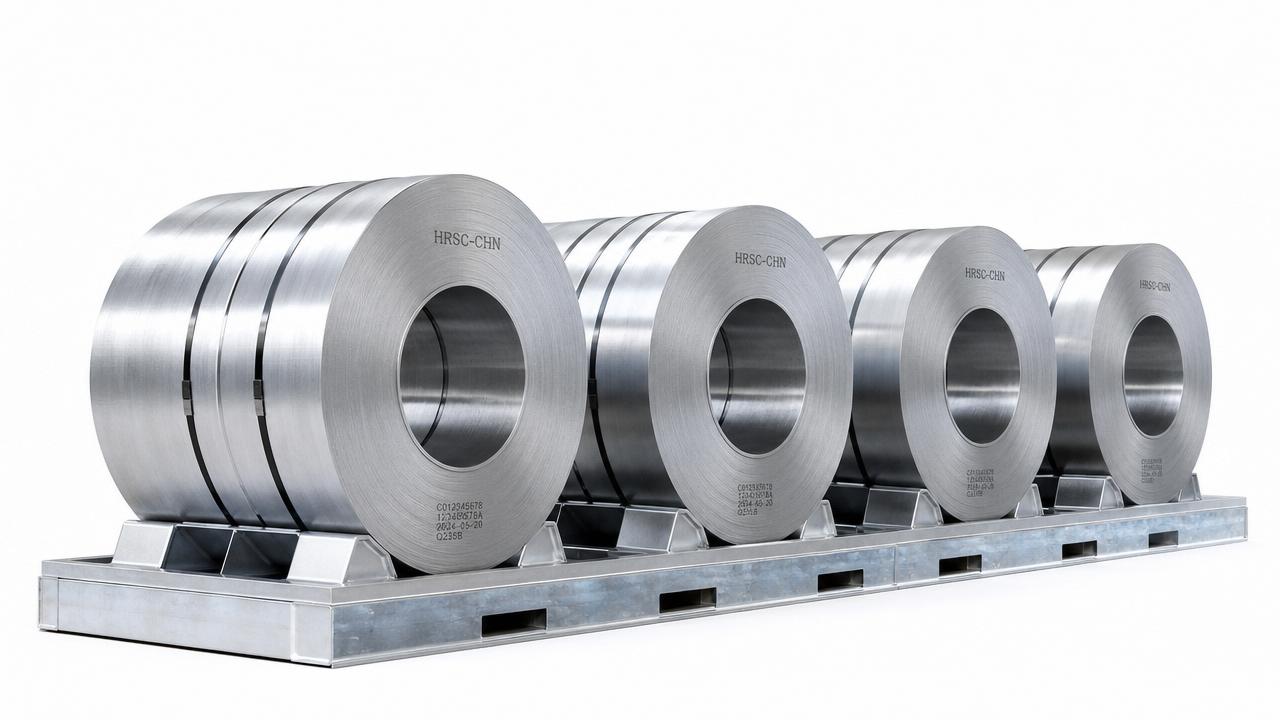
Australia’s Anti-Dumping Commission (ADC) issued its final determination on 31 May 2026, imposing anti-dumping duties of 18.7%–32.4% on hot-rolled steel coils from China, effective immediately. This decision directly affects manufacturers and importers in the bathroom fixtures, faucets & showers, and door systems sectors—particularly those relying on this steel grade for metal support brackets, valve body housings, and hinges. Given its role as a core raw material, the tariff increase is expected to raise landed costs for related finished imports by approximately 5–9%, prompting Australian importers to renegotiate terms with Chinese suppliers and assess local or third-country alternatives.
Event Overview
On 31 May 2026, the Australian Anti-Dumping Commission (ADC) published its final determination, confirming anti-dumping duties ranging from 18.7% to 32.4% on hot-rolled steel coils originating from China. The measures entered into force on the date of publication. The ADC identified hot-rolled steel coils as a critical input for metal components used in bathtubs, faucets & showers, and door systems—including support brackets, valve body housings, and hinges. No further procedural steps or appeals are indicated in the publicly released notice.
Impact on Specific Industry Segments
Direct Trading Enterprises: Importers and distributors of Chinese-made bathroom and door hardware face immediate cost pressure. As hot-rolled steel coils are not typically imported as standalone items by end users but embedded in finished or semi-finished goods, duty application may depend on tariff classification and origin tracing—making customs compliance and documentation accuracy more critical.
Raw Material Procurement Entities: Companies sourcing steel inputs—either directly or via intermediaries—for downstream fabrication (e.g., bracket stamping, hinge casting) will experience higher base material costs. Since the duty applies at the coil level, upstream procurement contracts referencing Chinese-origin steel may require renegotiation or substitution.
Manufacturing Enterprises: Firms producing metal components for bathtubs, faucets & showers, or door systems using Chinese hot-rolled steel coils face margin compression. Even if final assembly occurs outside China, origin-based duties may apply where the coil constitutes a substantial value component—potentially triggering reclassification or origin verification requests from Australian customs.
Distribution & Channel Operators: Wholesalers and brand owners managing inventory of affected hardware lines must reassess landed cost models, lead-time assumptions, and pricing strategies. A 5–9% estimated import cost increase implies potential shelf-price adjustments or margin absorption—especially for competitively priced private-label or value-tier products.
What Relevant Enterprises or Practitioners Should Monitor and Do Now
Review tariff classification and origin documentation for all affected SKUs
Confirm whether hot-rolled steel content in finished goods triggers the ADC’s scope definition. Verify Harmonized System (HS) codes, bill of materials, and country-of-origin declarations—notably where multi-stage manufacturing involves Chinese-sourced coils.
Initiate supplier engagement focused on cost reallocation and alternative sourcing
Australian importers have already begun renegotiating with Chinese suppliers. Companies should assess feasibility of shared duty burden, extended payment terms, or volume-based concessions—and concurrently map non-Chinese steel sources (e.g., ASEAN, India, or domestic rolling mills) for critical components.
Monitor for potential scope clarifications or administrative reviews
The ADC may issue interpretive guidance or initiate administrative reviews within 12 months. Observably, such processes could adjust duty rates for specific exporters or clarify treatment of processed derivatives (e.g., cold-rolled sheet cut from subject coils). Subscribing to official ADC updates is recommended.
Update internal costing, procurement planning, and customer communication timelines
Integrate the new duty range into landed-cost calculators for affected product lines. Reassess minimum order quantities, safety stock levels, and delivery windows—particularly where lead times for alternative sourcing exceed current cycles. Proactively inform key customers about potential price or availability implications.
Editorial Perspective / Industry Observation
This determination is best understood not as an isolated trade action, but as a signal of tightening scrutiny on structural steel inputs within Australia’s building and hardware supply chain. Analysis shows that the ADC’s focus on hot-rolled coils—rather than finished brackets or valves—reflects a shift toward upstream intervention, targeting material-level competitiveness rather than end-product assembly. From an industry perspective, it underscores how raw material trade measures can propagate through multiple tiers of B2B manufacturing, even when final goods are not explicitly listed in the scope. Current developments suggest this is now an operational reality—not merely a policy risk—requiring active supply chain recalibration.
It is more accurately interpreted as a finalized regulatory outcome with immediate commercial effect, rather than a preliminary warning or consultative phase. Ongoing attention is warranted because downstream duty applicability hinges on technical classification decisions that remain subject to case-by-case customs interpretation.
Conclusion
This measure confirms a material cost adjustment for metal hardware supply chains serving the Australian residential and commercial construction markets. Its significance lies less in novelty—anti-dumping actions on steel products are not unprecedented—and more in its direct linkage to high-volume, function-critical components across three adjacent sectors. It is better understood as a targeted input-cost recalibration than a broad sectoral disruption; accordingly, response efforts should prioritize precision in classification, documentation, and supplier collaboration over wholesale strategic pivots.
Source Attribution
Main source: Australian Anti-Dumping Commission (ADC), Final Determination Notice dated 31 May 2026.
Points requiring ongoing observation: Potential ADC administrative reviews, Australian Border Force classification rulings for derivative products (e.g., stamped brackets), and importer-level implementation practices across different HS code applications.
Industry Briefing
Get the top 5 industry headlines delivered to your inbox every morning.