Kitchen technology innovations that solve daily pain points
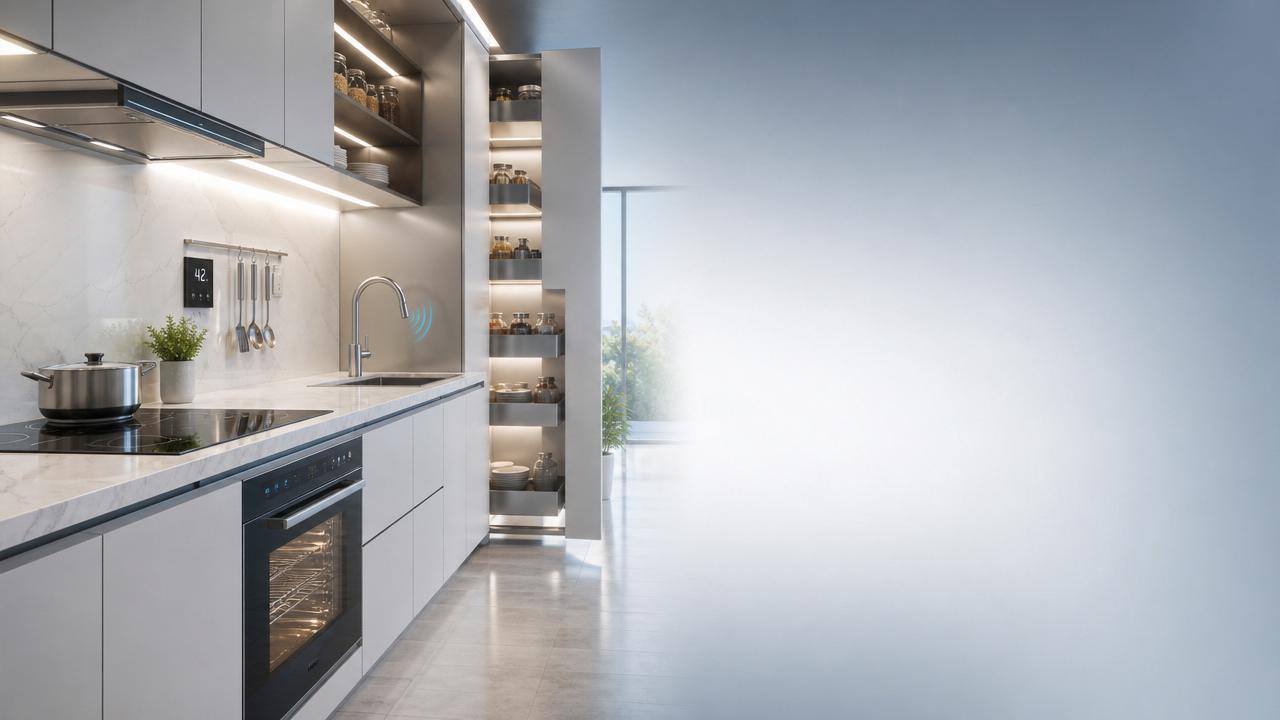
From wasted prep time to uneven heating, kitchen frustration often comes from repeated small failures. Modern kitchen technology innovations address these issues through smarter control, cleaner surfaces, better sensors, and more efficient workflows.
These solutions matter across homes, shared living spaces, hospitality environments, and light commercial interiors. For GIAM, they also reflect a wider shift toward safer materials, energy efficiency, and intelligent spatial design.
The key is not buying more devices. The real goal is choosing kitchen technology innovations that remove friction, improve hygiene, reduce waste, and support long-term performance in daily use.
What are kitchen technology innovations, and why do they solve real daily problems?
Kitchen technology innovations combine digital control, advanced materials, connected appliances, and ergonomic planning. They are practical tools built to fix recurring pain points rather than add novelty.
Common pain points include inconsistent cooking, poor visibility, hard-to-clean corners, water waste, overcrowded storage, and uncertainty about food freshness. Good design targets these specific failures first.
For example, induction systems heat faster and more evenly than traditional burners. Smart ovens use sensors and presets to reduce guesswork. Touchless faucets help lower cross-contamination during food preparation.
Material innovation matters too. Anti-bacterial surfaces, low-porosity countertops, and easy-clean coatings reduce maintenance time. This links directly with GIAM’s focus on healthier, more durable built environments.
In short, kitchen technology innovations work best when they solve measurable everyday problems. Faster cleanup, fewer errors, lower energy bills, and safer operation are stronger indicators than flashy features.
Which kitchen technology innovations improve speed, consistency, and convenience most?
Not every upgrade delivers equal value. The strongest gains usually come from technologies that support repeated daily actions such as heating, washing, storing, and monitoring.
1. Smart cooking systems
Sensor-based ovens can adjust time and temperature automatically. This reduces overcooking and undercooking, especially when preparing different foods with varying moisture levels.
Induction cooktops offer fast response and precise heat control. They also improve safety because the surface remains cooler than open-flame alternatives.
2. Smarter refrigeration
Flexible temperature zones support better food storage. Internal cameras, inventory reminders, and freshness alerts help reduce forgotten items and lower food waste.
3. Water-saving and hygiene solutions
Touchless faucets, metered flow control, and leak detection systems improve sanitation while reducing unnecessary consumption. These kitchen technology innovations are especially useful in high-use settings.
4. Intelligent lighting and storage
Motion-activated drawer lighting and task lighting improve visibility during prep. Lift systems, pull-out shelving, and corner optimization reduce bending, reaching, and wasted storage volume.
- For speed: induction, rapid preheat, organized storage
- For consistency: sensor ovens, guided cooking, smart probes
- For hygiene: touchless controls, anti-bacterial finishes, easy-clean surfaces
- For efficiency: leak alerts, energy monitoring, adaptive cooling
How do you choose kitchen technology innovations based on actual use, not marketing claims?
Start with a pain-point audit. List the three most frequent frustrations in the space. Then match each issue with a technology that directly reduces time, waste, or risk.
If cleanup is the main issue, prioritize surface materials, sink systems, and appliance interiors. If poor results are common, invest first in heating accuracy and guided cooking tools.
Next, check compatibility with the physical environment. Some kitchen technology innovations need electrical upgrades, ventilation changes, stronger connectivity, or cabinet adjustments.
Durability should outrank novelty. A simple faucet with reliable touchless control may outperform a feature-heavy model with weak components or difficult maintenance requirements.
It also helps to compare user interface quality. Controls should be intuitive under pressure. Clear feedback, manual override options, and accessible maintenance paths are important selection signals.
Are kitchen technology innovations only useful in premium spaces?
No. Many high-value upgrades are now practical in standard renovations and compact layouts. The best kitchen technology innovations often come from solving one frequent issue well.
A small kitchen can benefit greatly from vertical storage systems, under-cabinet lighting, compact induction zones, and combination ovens. These reduce clutter without major footprint expansion.
In shared apartments or family homes, smart locks for pantry or equipment areas, usage monitoring, and leak alerts add control and reduce accidental damage.
In hospitality, serviced residences, and mixed-use projects, durable surfaces and connected maintenance alerts improve uptime and lower service interruptions. That creates value beyond appearance.
The broader built environment also benefits. Water-saving fixtures, efficient appliances, and low-emission materials support green building goals and align with evolving energy and health standards.
What mistakes should you avoid when adopting kitchen technology innovations?
A common mistake is buying disconnected features. If devices do not integrate with daily routines, they become underused and add complexity instead of convenience.
Another mistake is ignoring maintenance. Filters, seals, sensors, and software updates affect long-term reliability. A product that performs well initially can decline quickly without service planning.
Some spaces overinvest in app control but underinvest in essentials. Better ventilation, durable worktops, and accurate heating usually deliver more daily value than remote novelty functions alone.
Cybersecurity and data privacy should not be overlooked. Connected kitchen technology innovations should offer secure updates, transparent permissions, and stable offline operation when networks fail.
There is also a design coordination risk. Appliance dimensions, cabinet tolerances, plumbing points, and power loads must align early to avoid expensive retrofits later.
- Avoid overbuying features that do not match routine use
- Confirm utility requirements before installation
- Check service access and spare parts availability
- Prioritize cleanability, safety, and control clarity
What do cost, implementation time, and long-term value really look like?
Costs vary widely, but value should be measured through reduced waste, lower water and energy use, longer material life, and fewer operating errors.
Low-disruption upgrades include smart lighting, touchless faucets, leak sensors, and internal organizers. These often install quickly and address daily pain points immediately.
Medium-complexity improvements include induction conversion, smart refrigeration, and guided cooking appliances. These may require electrical checks and modest cabinetry adjustments.
Larger transformations involve full layout redesign, integrated ventilation, new surfaces, and centralized control. These projects should be planned with material performance and future maintenance in mind.
When assessing return, include hidden savings. Better storage reduces spoilage. Accurate heating cuts failed meals. Water control lowers utility bills. Easy-clean finishes reduce labor and preserve appearance.
FAQ: quick answers about kitchen technology innovations
Do kitchen technology innovations always require internet connection?
No. Many useful features work locally, including induction control, sensor cooking, leak alerts, and touchless activation. Offline reliability is often preferable for core functions.
Which upgrade usually gives the fastest visible improvement?
Task lighting, storage optimization, and touchless water control often create immediate gains. They improve workflow without requiring major structural changes.
Are smart features worth it if cooking habits are simple?
Yes, if they remove repeated friction. Even simple routines benefit from faster heating, easier cleaning, and better storage control.
How can you tell if a feature is practical?
Ask whether it saves time weekly, improves safety, or reduces waste. If the answer is unclear, the feature may be optional rather than essential.
The strongest kitchen technology innovations are not the most complicated ones. They are the solutions that quietly make cooking, cleaning, storing, and managing space easier every day.
A smart next step is to audit one kitchen zone at a time. Identify the biggest pain point, compare relevant technologies, and choose upgrades that support hygiene, efficiency, and durable performance.
As global standards shift toward healthier materials and lower resource use, kitchen technology innovations will continue shaping better residential and commercial interiors. Practical selection today builds stronger value tomorrow.
Industry Briefing
Get the top 5 industry headlines delivered to your inbox every morning.