Modern kitchen design mistakes that limit storage
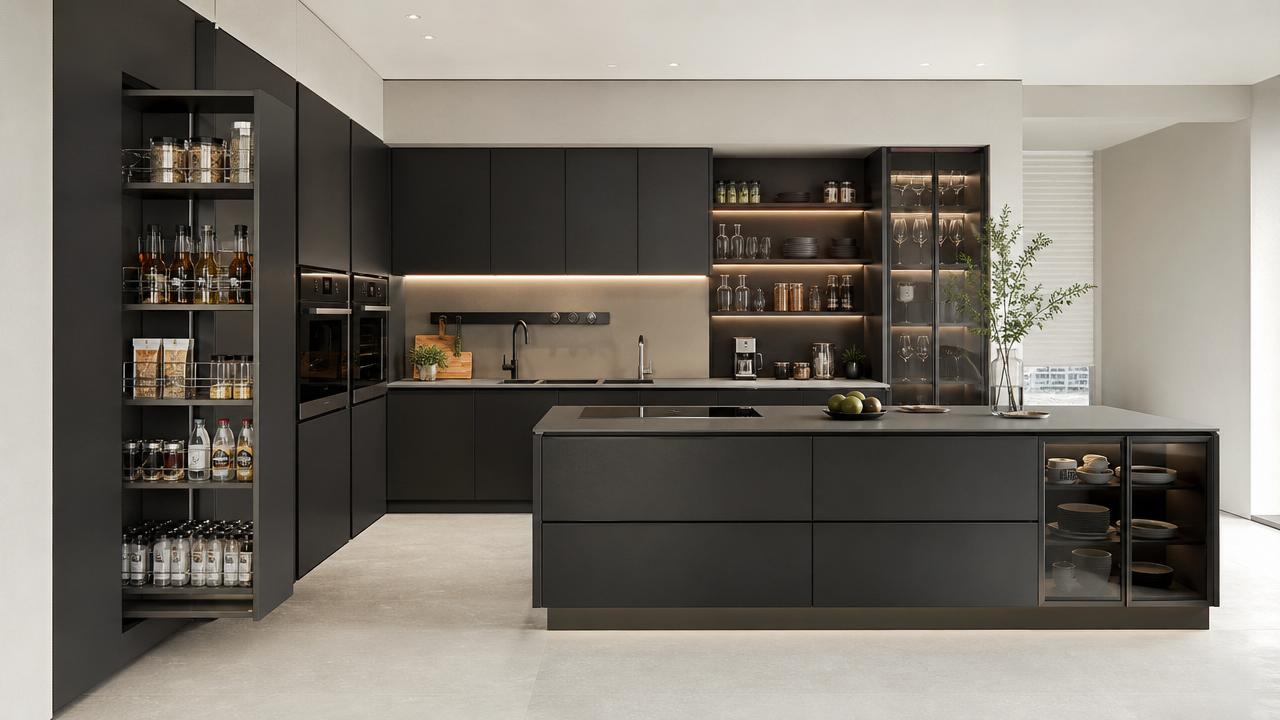
Many homeowners love the clean look of modern kitchen design, but some popular choices can quietly reduce storage and make daily cooking less efficient. From oversized islands to handleless cabinets and poorly planned layouts, small design mistakes often create long-term frustration. Before you renovate, it’s worth understanding which trends may limit function so you can build a kitchen that feels stylish, practical, and easy to live with.
The easiest way to evaluate modern kitchen design is not by asking whether it looks luxurious in a showroom, but by checking whether it supports real storage habits at home. A beautiful kitchen can still fail if it wastes corners, blocks cabinet access, or favors visual minimalism over usable capacity. That is why a checklist approach works better than relying on trend photos alone. It helps you judge what to confirm first, what to measure carefully, and which features often look smart but perform poorly in everyday use.
For end consumers, the goal is simple: avoid storage loss before construction begins. Once cabinetry, plumbing points, and appliance openings are fixed, recovering lost storage becomes expensive. The guide below breaks down the most common modern kitchen design mistakes that limit storage, the warning signs to look for, and the practical adjustments that preserve both style and function.
Why storage problems happen in modern kitchen design
Most storage problems come from one of three decisions: choosing appearance over depth, placing features without considering door swing and workflow, or underestimating how many categories of items a kitchen must hold. In a modern kitchen design, clean lines, flush surfaces, and integrated appliances are often priorities. These can look refined, but each choice may remove drawers, reduce cabinet height, or create awkward dead zones.
A useful judgment standard is this: every major design decision should answer where everyday items will go. If the plan does not clearly assign space for cookware, pantry goods, cleaning supplies, utensils, small appliances, food containers, and waste sorting, the design is not complete. Storage should be planned by use, not added later as an afterthought.
Core checklist: modern kitchen design mistakes that reduce usable storage
Use this checklist before approving a layout, cabinet drawing, or renovation contract. These are the most important storage-limiting mistakes to check first.
- Oversized islands with too little internal storage: Large islands often become visual centerpieces, but many are filled with seating, decorative panels, or appliance voids. If the island footprint is big, it should provide meaningful drawer banks or deep cabinets on at least one side.
- Too many base cabinets, not enough drawers: Standard cabinets with shelves waste access and hide items at the back. Deep drawers usually store pots, pans, dishes, and pantry goods more efficiently in modern kitchen design.
- Handleless cabinet systems that reduce internal depth: Some handleless profiles or push-to-open systems consume usable space. The visual effect is sleek, but the storage penalty should be checked on the technical drawing.
- Shallow upper cabinets for a lighter look: Designers sometimes reduce wall cabinet depth to create openness. This can limit storage for plates, dry goods, and glassware, especially in smaller homes.
- Appliance-first planning: A kitchen packed with large built-ins may leave little room for pantry storage. Every appliance opening should be justified by actual use frequency.
- Ignoring corner efficiency: Blind corners, fixed shelves, and inaccessible zones are common losses. Corner solutions are not always perfect, but untreated corners usually waste too much volume.
- Insufficient tall storage: A modern kitchen design with only lower cabinets often looks open, but tall pantry storage usually improves organization and reduces countertop clutter.
- Poor clearance around drawers and doors: Storage is only useful if it opens fully. Islands, dishwashers, and opposing cabinets can block one another if spacing is too tight.
- Decorative open shelving replacing closed storage: Open shelves display a few items well, but they cannot replace the dust-free capacity of cabinets for most households.
- No dedicated zones for waste, recycling, and cleaning products: These essentials often get squeezed into leftover space, reducing flexibility elsewhere.
How to judge whether a layout is stylish but storage-poor
A smart modern kitchen design should look calm on the outside and work hard on the inside. The following signs usually indicate that the design is prioritizing visual impact over storage performance.
1. The island is bigger than the storage problem it solves
If an island mainly adds seating but does not increase organized storage, it may be taking floor area away from better cabinetry. Ask how many full-extension drawers, pull-outs, or cabinets the island actually contains. A large island with decorative ends and stool overhangs may offer less storage than a smaller, better-designed one.
2. Wall cabinets stop early for visual symmetry
One common modern kitchen design mistake is ending wall cabinetry too low or too soon to create negative space. While this can look elegant, it often sacrifices some of the most valuable storage in the room. If ceiling height allows it, extending storage upward is one of the most effective ways to gain capacity without increasing footprint.
3. Tall units are avoided because they feel “too heavy”
Consumers often worry that pantry towers will make the kitchen feel bulky. In reality, one or two well-placed tall units can eliminate clutter across the rest of the kitchen. The key is balancing proportions, not removing vertical storage entirely.
4. Appliance garages and integrated features take more than they give
Hidden coffee stations, microwave towers, and appliance garages are popular in modern kitchen design, but some consume premium cabinet space for items used only occasionally. They make sense only when they reduce visual clutter without creating harder-to-reach storage around them.
Priority table: what to check before approving your kitchen plan
Storage priorities for different household types
Not every modern kitchen design fails in the same way. Storage needs vary depending on cooking habits, family size, and home layout. Before choosing finishes, identify which of these situations best matches your household.
For compact apartments
In smaller homes, every vertical surface matters. Prioritize full-height storage, drawers instead of fixed shelves, and integrated waste systems. Avoid oversized islands and wide decorative gaps between cabinets. Small kitchens benefit most from disciplined planning and least from purely visual features.
For family kitchens
Family kitchens need zone-based storage: breakfast items, lunch containers, cookware, snacks, and cleaning supplies should not compete for the same area. A modern kitchen design for family use should include more deep drawers, a tall pantry, and easy-access lower storage for heavy daily-use items.
For open-plan homes
Open-plan kitchens often favor minimalism because the kitchen is visible from living spaces. That makes hidden storage even more important. If upper cabinets are reduced for aesthetic reasons, compensate with tall storage, island drawers, or a nearby pantry wall.
For frequent cooks
People who cook often need functional storage near prep and cooking zones. Pot drawers, spice pull-outs, utensil dividers, tray storage, and food container organization matter more than decorative shelving. In this case, the best modern kitchen design is one that shortens movement and keeps tools within easy reach.
Commonly ignored details that create long-term frustration
Some of the worst storage mistakes are not dramatic. They are small omissions that only become obvious after move-in. These deserve special attention during planning.
- Not measuring real inventory: Many people renovate without counting plates, pans, dry goods, bottles, lunch boxes, and countertop appliances. Storage planning should begin with what you already own.
- Forgetting awkward items: Baking trays, cutting boards, tall oil bottles, and small appliances need purpose-built spaces. If not planned, they consume prime storage zones later.
- No allowance for future growth: A kitchen that fits current needs exactly may feel full within a year. Leave some flexible storage for changing habits.
- Ignoring internal accessories: A well-designed drawer without dividers can still become inefficient. Interior organization is part of storage planning, not an optional extra.
- Choosing statement materials that limit cabinetry options: Some finishes or wall treatments reduce where cabinets can go, especially in compact spaces.
Practical execution advice before renovation starts
If you want a modern kitchen design that stays attractive and useful over time, make decisions in the right order. Start with storage categories, then layout, then appliance selection, then finishes. Doing it in reverse often causes preventable compromises.
Ask your designer or cabinet supplier for an elevation view, drawer breakdown, and internal storage schedule. Do not approve a plan based only on a 3D rendering. Renderings highlight style, but technical drawings reveal whether there is enough storage for real use. Request that each cabinet be assigned a likely purpose. If several items are still “to be decided,” the plan may be underdeveloped.
It is also wise to review the kitchen from the perspective of building systems and long-term value. GIAM’s broader industry view shows that good residential design increasingly depends on the smart coordination of materials, appliances, and space efficiency. In practical terms, that means selecting durable cabinet systems, sensible appliance integration, and layouts that support everyday living rather than short-lived trends. Stylish kitchens age well when storage logic is built into them from the start.
FAQ: quick answers about modern kitchen design and storage
Are open shelves always a bad idea?
No. A few open shelves can work well for display or daily mugs, but they should complement closed storage, not replace it.
Do handleless cabinets always reduce storage?
Not always, but some systems do reduce internal space. Check the technical dimensions rather than assuming all options perform the same.
Is a kitchen island worth it in a small space?
Only if it improves workflow and adds genuine storage without blocking movement. In many compact kitchens, better perimeter storage is the stronger solution.
What is the biggest storage upgrade in modern kitchen design?
For most households, switching more base units to drawers and adding at least one well-organized tall pantry delivers the best result.
Final checklist before you commit
Before signing off on your modern kitchen design, confirm these final points: do you know exactly where pantry goods, cookware, dishes, cleaning items, recycling, and small appliances will go; will all doors and drawers open fully; are corners accessible; is vertical space fully used; and are you paying for visual features that remove practical storage? If any answer is unclear, pause and revise the plan.
A successful kitchen renovation is not about rejecting modern style. It is about making sure the elegance of modern kitchen design is supported by storage decisions that match daily life. If you need to move forward with more confidence, the best next step is to discuss cabinet dimensions, internal accessories, appliance sizes, clearance requirements, budget trade-offs, and installation timing before materials are ordered. Those details will tell you whether the design is truly ready or only looks ready on paper.
Industry Briefing
Get the top 5 industry headlines delivered to your inbox every morning.