Modern kitchen design mistakes that reduce daily efficiency
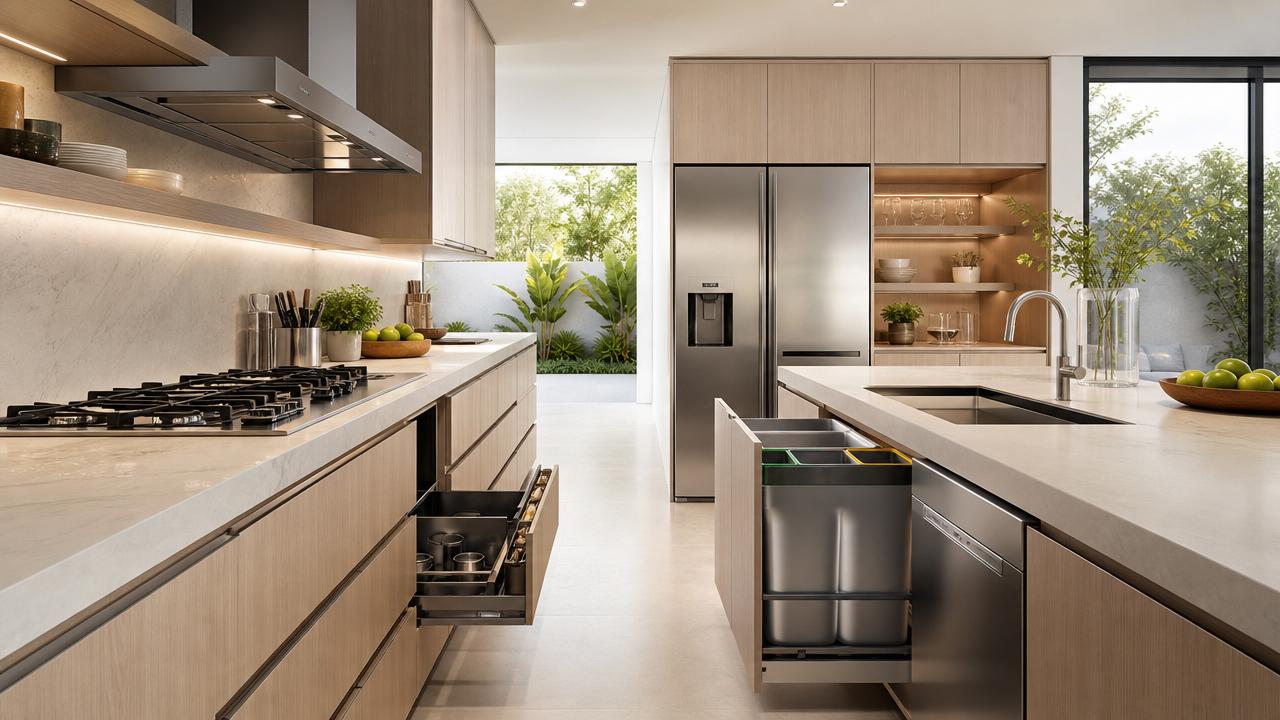
A beautiful kitchen can still slow you down if the layout ignores how people actually cook, clean, and move. In modern kitchen design, small mistakes such as poor workflow planning, limited storage, and weak lighting can reduce daily efficiency more than most homeowners expect. Before choosing finishes or smart features, it is worth understanding which design decisions make everyday kitchen use easier, faster, and more comfortable.
Why a checklist matters in modern kitchen design
Many kitchen problems are not obvious during planning. They appear later, when one extra step, one blocked drawer, or one dark corner becomes a daily frustration.
A checklist helps evaluate modern kitchen design beyond style. It connects workflow, materials, lighting, storage, hygiene, and appliance placement into one practical decision process.
This matters across the broader building and interiors sector, where smart space planning, durable materials, and energy-conscious systems increasingly shape long-term value.
Core checklist: modern kitchen design mistakes that reduce efficiency
Use this checklist to identify weak points before renovation, product selection, or layout approval.
- Map the work triangle first. If the sink, cooktop, and refrigerator sit too far apart, daily movement becomes repetitive, slow, and physically tiring.
- Protect clear circulation paths. Narrow walkways cause collisions, blocked cabinet doors, and awkward turns when more than one person uses the kitchen.
- Separate prep and cleanup zones. When chopping, washing, and unloading dishes compete for the same counter, the kitchen loses rhythm and usable surface area.
- Prioritize counter continuity near appliances. A cooktop or oven without landing space forces unsafe handling of hot pans and slows food preparation.
- Design storage by task, not by volume. Deep cabinets may look generous, but poor organization hides tools and increases time spent searching.
- Use layered lighting. Depending only on ceiling fixtures creates shadows on counters, reducing visibility during cutting, cleaning, and measuring.
- Place outlets where work happens. A modern kitchen design fails in practice when small appliances require extension cords or constant unplugging.
- Check door and drawer swing conflicts. Islands, dishwashers, refrigerators, and tall units should open fully without blocking movement or each other.
- Choose surfaces for maintenance, not only appearance. Hard-to-clean finishes quickly reduce efficiency because spills, grease, and stains demand more effort.
- Integrate waste sorting early. Trash, recycling, and compost systems work best when placed near prep areas and away from major circulation points.
- Plan vertical storage access carefully. Frequently used items should stay between waist and eye level to reduce bending, stretching, and wasted motion.
- Balance smart features with usability. Technology should simplify routines, not add setup steps, app dependence, or maintenance complexity.
How these mistakes appear in different kitchen scenarios
Small urban kitchens
In compact homes, modern kitchen design often overemphasizes visual minimalism. Hidden storage and slim cabinetry can look clean, yet reduce daily accessibility.
Efficiency depends on every centimeter. Pull-out pantry systems, corner optimization, and under-cabinet lighting usually outperform oversized decorative features.
Open-plan family kitchens
Open layouts often create wide visual appeal, but they can weaken functional zoning. Cooking, homework, conversation, and cleaning may all compete in one space.
A better modern kitchen design defines work zones clearly. Islands should support prep or seating without interrupting access to refrigeration and cleanup routes.
Premium smart kitchens
High-end projects sometimes mistake automation for usability. Touch controls, motorized systems, and connected appliances add value only when they reduce steps.
From an industry perspective, smart kitchen and bath systems work best when paired with reliable hardware, intuitive interfaces, and durable service access.
Renovation-driven kitchens
Existing plumbing, walls, and structural limits often force compromise. That makes workflow planning even more important during renovation-focused modern kitchen design.
When major relocation is impossible, efficiency can still improve through better lighting, drawer conversion, upgraded fittings, and more accurate appliance sizing.
Commonly overlooked risks in modern kitchen design
Ignoring material performance
Surface materials affect hygiene, maintenance speed, and durability. Porous counters, weak edge treatments, and low-grade finishes increase cleaning time and wear.
Underestimating ventilation
Poor extraction leaves grease, heat, and odor in the room. That weakens comfort and adds frequent cleaning to cabinets, walls, and nearby living areas.
Oversizing the island
An island can anchor a strong modern kitchen design, but an oversized one often disrupts flow, blocks appliance doors, and wastes circulation space.
Forgetting maintenance access
Integrated appliances and tight cabinetry may look seamless, yet repairs become difficult if valves, filters, and service panels are hard to reach.
Treating lighting as decoration only
Statement pendants add style, but they cannot replace task lighting. Efficiency drops quickly when prep surfaces remain dim or shadowed.
Practical ways to improve daily kitchen efficiency
- Measure actual movement during meal preparation and cleaning, then redesign zones around repeated actions rather than around visual symmetry.
- Group utensils, cookware, spices, and waste systems by task sequence so each step happens within one short reach or turn.
- Specify drawers instead of lower shelves where possible, because full-extension hardware improves visibility and reduces bending.
- Install under-cabinet lights and confirm color temperature early, since visibility directly supports speed, accuracy, and safety.
- Review appliance dimensions, door swing, and ventilation clearance before ordering cabinetry to avoid expensive field adjustments.
- Select water-resistant, easy-clean materials that align with current sanitation, sustainability, and durability expectations in modern interior systems.
A simple evaluation framework before final decisions
Before approving any modern kitchen design, test it against five questions: Can movement stay short, can storage stay visible, can surfaces stay usable, can lighting support tasks, and can maintenance stay easy?
If one answer is no, the design may still look impressive, but daily performance will likely suffer. Efficient kitchens are not accidental. They are planned through workflow logic, technical coordination, and realistic use patterns.
Conclusion and next action
The most common modern kitchen design mistakes are rarely dramatic. They are small planning errors that repeat every day and slowly reduce comfort, speed, and satisfaction.
Use the checklist above before selecting finishes, cabinetry, appliances, or smart systems. A better kitchen starts with movement, storage, light, and maintenance—not with appearance alone.
For stronger project outcomes, evaluate design choices the way leading building intelligence platforms do: by combining aesthetics with material performance, system integration, and long-term usability.
Industry Briefing
Get the top 5 industry headlines delivered to your inbox every morning.