
Saudi SASO Sets Dual Compliance for Smart Cabinets
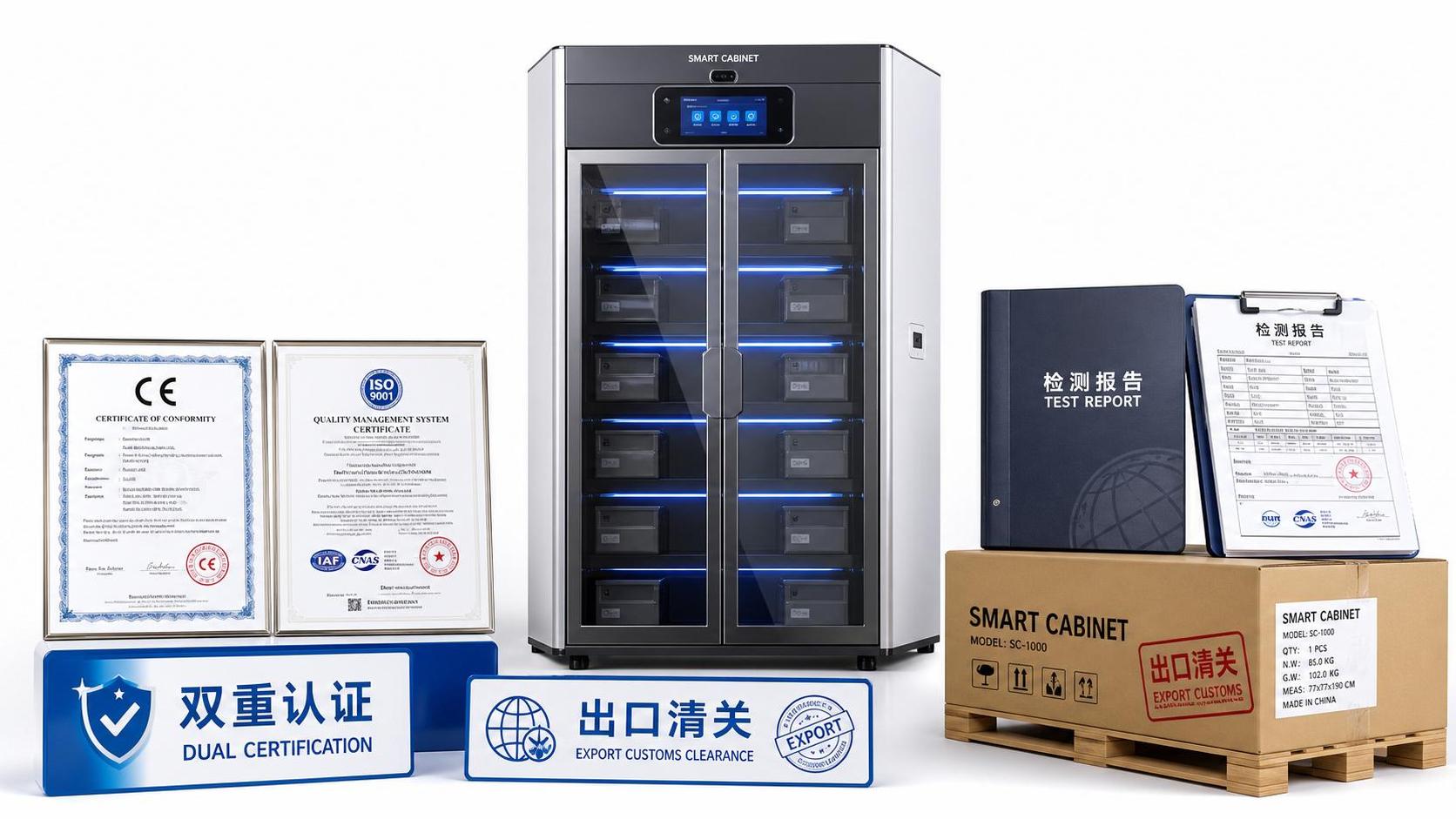
On July 8, 2026, Saudi Arabia's standards body SASO issued a new technical notice that resets the compliance baseline for Smart Cabinets, requiring both updated energy efficiency and EMC certification from December 1, 2026. For manufacturers, exporters, importers, certification-related service providers and project buyers involved in this product category, the change is worth close attention because the previous standard is being withdrawn immediately and non-certified products will not be cleared through customs once the new deadline arrives.
A short transition window and a new compliance baseline
According to the provided information, SASO released technical notice SASO/TECH/2026/072 on July 8, 2026. The notice states that Smart Cabinets, described as embedded smart cabinet systems, will be subject to mandatory dual certification from December 1, 2026 under the updated energy efficiency standard IEC 60335-2-99 Ed.2.0 and the EMC standard IEC 61000-6-3 Ed.4.0. The previous SASO 2203:2022 is revoked with immediate effect. The transition period remaining is 146 days, and products that do not obtain the required certification will not be able to clear customs.
Where the pressure is likely to appear first
Export and market-entry decisions will tighten
From an industry perspective, exporters and direct trading companies are likely to feel the effect first because market access is now tied to a dual-certification requirement rather than reliance on the withdrawn older standard. The practical impact is likely to fall on shipment planning, customs readiness, product documentation and the decision of whether goods scheduled for the Saudi market can still be delivered under the new timeline.
Manufacturing and specification control may need faster review
Analysis shows that manufacturers of Smart Cabinets may need to recheck whether existing product configurations, technical files and test arrangements align with IEC 60335-2-99 Ed.2.0 and IEC 61000-6-3 Ed.4.0. The issue is not only certification itself, but also whether product specifications prepared under the older compliance framework remain usable for orders that will ship close to or after December 1, 2026.
Certification and testing workflows could become a bottleneck
For certification-related companies and testing service providers, the notice points to a likely increase in time-sensitive review work. What deserves closer attention is the sequence between testing, document preparation, certification issuance and customs-facing compliance evidence. Even without additional implementation detail in the input, the 146-day transition period suggests that lead times may become a central operational concern for companies serving this product segment.
Buyers and channel partners may need to revisit procurement conditions
Procurement teams, distributors and other channel participants may also be affected because compliance status can influence order confirmation, delivery acceptance and import readiness. Observably, purchase documents, supplier qualification checks and delivery conditions connected to the Saudi market may need to reflect the new dual-standard requirement, especially where products were previously evaluated against SASO 2203:2022.
What companies should review now
Check whether ongoing orders still match the new entry requirement
Analysis shows that companies with products intended for Saudi Arabia should first map which orders, shipments or quotations fall before and after December 1, 2026. The immediate concern is whether any business still assumes that compliance under SASO 2203:2022 remains sufficient, even though that standard has been revoked according to the provided notice.
Revisit technical files and certification planning
What deserves closer attention is whether existing technical documentation, test reports and certification plans are structured around the updated IEC 60335-2-99 Ed.2.0 and IEC 61000-6-3 Ed.4.0 requirements. The input does not provide execution details, so this should be understood as a compliance review priority rather than proof that all procedural arrangements are already settled.
Watch customs-facing documents and delivery timing
From an industry perspective, the statement that uncertified products will not clear customs makes shipping documents, certification evidence and delivery schedules an immediate point of risk review. Companies involved in export, supply chain coordination or import support should pay close attention to whether internal documentation and customer-facing paperwork remain consistent with the new compliance condition.
Follow later wording and market implementation signals
Observably, companies should continue tracking any follow-up wording, operational guidance or market documents linked to the notice, including certification practice, buyer specifications and tender language. Since the input does not provide those details, it would be premature to treat implementation pathways as fully defined.
How this notice is best understood at this stage
Analysis shows that this is more than a routine standards update because it combines three elements in one move: a named technical notice, a fixed enforcement date and an explicit customs consequence for non-certified goods. At the same time, it is more appropriate to understand this as an execution signal with immediate commercial implications, rather than as a fully explained operating framework, because the provided information does not include detailed certification procedures, document formats or enforcement interpretations beyond the stated requirement.
From an industry perspective, the short remaining transition period is the part most likely to shape near-term behavior. It raises the importance of compliance sequencing across product design, testing, certification, shipment release and procurement confirmation. That does not prove how every participant will respond, but it does indicate why the market is unlikely to treat the notice as a distant policy development.
A compliance change with direct trade consequences
In practical terms, the July 8, 2026 SASO notice should be read as a near-term market access change for Smart Cabinets headed to Saudi Arabia. The confirmed facts point to a new dual-standard requirement, the withdrawal of the previous standard and a customs barrier for products that remain uncertified after December 1, 2026. The most balanced reading for now is that this is an implemented compliance shift with direct effects on certification planning, shipment timing and procurement review, while some execution details still need continued observation.
Basis of this article
This article is based on the user-provided news title, event date and event summary concerning the July 8, 2026 SASO technical notice on Smart Cabinets. For events of this type, relevant source categories typically include official notices, regulator publications, customs or trade authority information, standard-setting body documents, industry association updates and reporting from authoritative media. A specific official source link was not provided in the input, so continued verification remains necessary. What still requires observation includes detailed implementation language, certification interpretation, tender document changes, market feedback and how affected companies execute against the new requirement.
Industry Briefing
Get the top 5 industry headlines delivered to your inbox every morning.