UL Tightens EMC Rules for Smart Cabinet Controllers
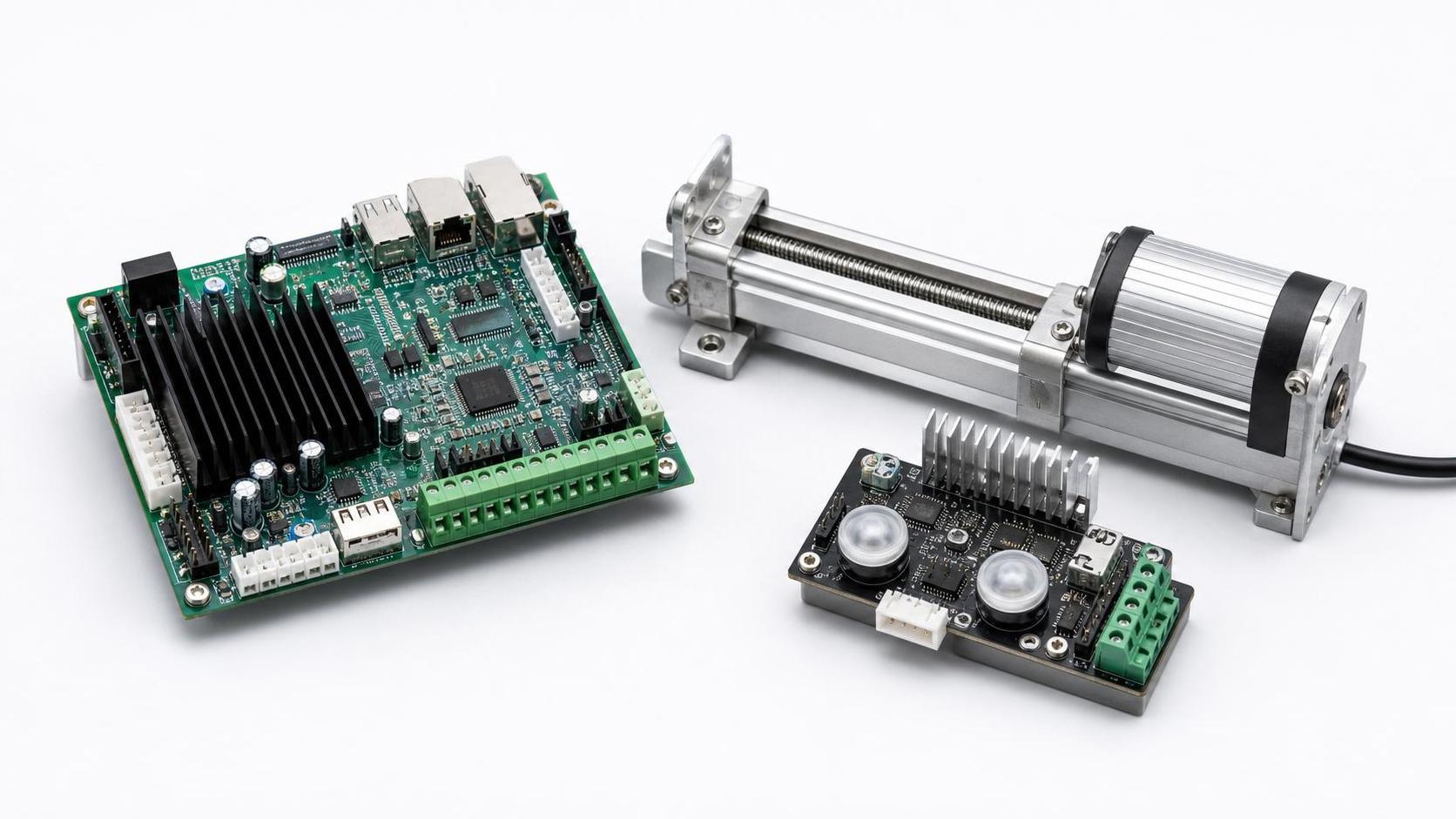
On July 9, 2026, UL released UL 60730-2-9:2026 Edition 3, introducing a higher radio-frequency electromagnetic immunity threshold for automatic control modules built into smart cabinets in the U.S. market. The update matters most to manufacturers of smart cabinets, control module suppliers, certification teams, importers, and buyers preparing new-model launches, because it changes both the technical pass requirement and the expected certification timeline for products scheduled for sale after October 1, 2026.
What the revised UL requirement changes
According to the provided information, UL issued UL 60730-2-9:2026 Edition 3 on July 9, 2026. Under the revised requirement, automatic control modules integrated into smart cabinets, including examples such as motorized lifting systems and sensor-based lighting controllers, must pass Level 4 radiated radio-frequency electromagnetic immunity testing under IEC 61000-4-3 Ed.4. The requirement is two levels higher than the previous version referenced in the input.
The new rule applies to all new models sold in the U.S. market after October 1, 2026. The certification cycle is also expected to extend to 6 to 8 weeks.
Where the impact is likely to be felt first
New-model development and product launch planning
From an industry perspective, smart cabinet manufacturers are likely to feel the impact first at the product development stage. Because the updated rule applies to new models sold after October 1, 2026, any launch plan tied to the U.S. market may need to account for stricter EMC performance expectations and a longer certification window.
Controller and module supply coordination
Suppliers of embedded control modules, such as lifting control systems or sensor lighting controllers, may be affected through technical compliance alignment. What deserves closer attention is whether existing module specifications, validation documents, and certification preparation are sufficient for the new Level 4 test requirement, since the compliance threshold itself has been raised.
Import, distribution, and buyer-side scheduling
Importers, channel partners, and procurement teams may be affected mainly through timing and deliverables. Observably, a certification cycle of 6 to 8 weeks can influence shipment readiness, launch sequencing, and customer delivery commitments for new smart cabinet models intended for the U.S. market.
What companies should watch now
The difference between confirmed scope and broader assumptions
The confirmed scope in the provided information is specific: the rule applies to new models sold in the U.S. market after October 1, 2026, and it concerns automatic control modules integrated into smart cabinets. Companies should avoid extending that scope in internal or external communication beyond what has been confirmed.
Certification timing in project schedules
Analysis shows that the longer 6 to 8 week certification cycle is not just a compliance detail. For businesses managing launch calendars, quotation lead times, or customer handover dates, certification timing becomes an operational planning issue that should be reflected earlier in project schedules.
Supplier documentation and technical readiness
What deserves closer attention is the readiness of upstream module suppliers to support the revised requirement with complete technical materials and test-related documentation. Even where product architecture remains unchanged, the higher immunity requirement may affect how supporting materials are reviewed and prepared for certification.
Customer communication around U.S. new-model programs
For teams serving U.S.-bound projects, it is practical to separate regulatory fact from commercial expectation in customer communication. The confirmed facts are the revised UL edition, the higher Level 4 requirement, the October 1, 2026 applicability point for new models, and the 6 to 8 week certification cycle. Broader market consequences still require continued observation.
Why this reads as more than a routine revision
Analysis shows that this update should not be read only as a narrow standards change. The requirement lifts the immunity threshold by two levels and also lengthens certification timing, which means the issue sits at the intersection of engineering compliance and business execution. At the same time, it is more appropriate to understand this as a clear regulatory signal for a defined product segment rather than as proof of wider market outcomes that have not yet been confirmed in the provided information.
How to interpret the development at this stage
At this stage, the development is best understood as an immediate compliance change for new smart cabinet models entering the U.S. market after October 1, 2026, and as a near-term operational signal for the companies involved in design, sourcing, certification, and delivery. It does not by itself confirm broader market restructuring, but it does indicate that EMC performance and certification timing now deserve closer attention in this product category.
Basis of this article and points for continued verification
This article is based on the user-provided news title, event date, and event summary. For this type of industry update, relevant source categories typically include official notices, standard organization documents, company announcements, industry association releases, and reporting by authoritative trade media. A specific official source link was not provided in the input, so continued verification is still necessary. Follow-up attention should focus on any further official wording related to implementation, scope interpretation, and certification practice under UL 60730-2-9:2026 Edition 3.
Industry Briefing
Get the top 5 industry headlines delivered to your inbox every morning.