Bath technology trends that are changing user comfort
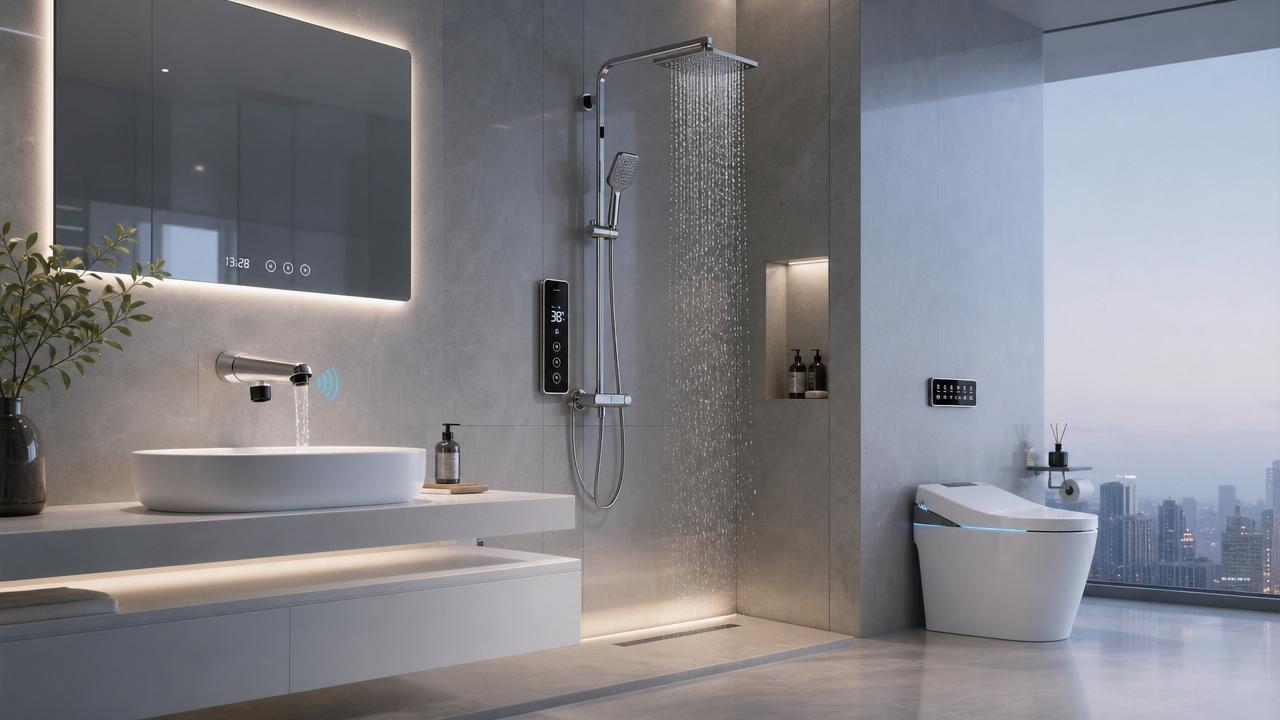
From touchless controls to water-saving intelligence, bath technology trends are redefining comfort in daily use. The bathroom is no longer a passive utility zone.
It is becoming a responsive space shaped by hygiene, efficiency, wellness, and digital control. These shifts matter across homes, hospitality, healthcare, offices, and mixed-use projects.
For GIAM, these changes reflect a broader spatial evolution. Materials, water systems, sensors, and interfaces now work together to improve user comfort and long-term operational value.
Bath technology trends are moving from luxury upgrades to baseline expectations
Several years ago, smart bath features were seen as premium extras. Today, many users expect them as standard components of safe and modern bathroom design.
This shift is visible in sensor faucets, digital showers, anti-fog mirrors, smart toilets, leak monitoring, and app-based water controls. Comfort now includes responsiveness and reliability.
In commercial environments, bath technology trends also support operational goals. They reduce maintenance calls, lower water waste, and improve hygiene performance in shared spaces.
In residential settings, the same trends support personalization. Users want preferred water temperature, pressure memory, lighting presets, and easier cleaning with fewer touchpoints.
The strongest signals behind current bath technology trends
The market signals are clear. Bathroom technology is responding to social, environmental, and design pressures at the same time.
- Higher hygiene expectations after global public health disruptions.
- Stricter water efficiency standards in new building and retrofit projects.
- Rising demand for wellness-oriented interiors and stress-reducing routines.
- Expansion of smart home ecosystems and connected building management.
- Growing interest in universal design and aging-friendly accessibility.
- Need for predictive maintenance in hotels, healthcare, and public facilities.
These signals explain why bath technology trends are not isolated product updates. They represent a wider redesign of how sanitary spaces are planned and operated.
Why user comfort is being redefined by connected systems
User comfort once meant basic cleanliness, stable water flow, and durable fixtures. Now it includes interaction quality, environmental control, and confidence in hygiene conditions.
Touchless operation reduces friction
Motion-sensing faucets, flush systems, soap dispensers, and doors reduce surface contact. This improves perceived cleanliness and supports smoother circulation in high-traffic spaces.
Smart water control improves consistency
Digital valves and thermostatic controls keep temperature stable. Users avoid sudden heat changes, while operators reduce complaints linked to inconsistent water performance.
Personalization supports comfort and wellness
Preset modes for shower pressure, lighting, mirror brightness, and seat temperature create a more tailored experience. This is a major direction within bath technology trends.
Quiet intelligence matters more than visible technology
The best systems do not overwhelm users. They work in the background, making bathrooms feel intuitive rather than mechanical or overly complicated.
Key drivers accelerating bath technology trends
Together, these drivers show how bath technology trends are blending engineering performance with emotional comfort and sustainability targets.
How bath technology trends affect different spaces and operational needs
The impact of bath technology trends is not identical across every environment. User priorities change depending on traffic levels, privacy expectations, and maintenance capacity.
Residential spaces
Homes prioritize ease of use, wellness, and energy savings. Compact smart upgrades, such as thermostatic showers and anti-fog mirrors, deliver practical comfort without major renovation.
Hospitality projects
Hotels benefit from experience-enhancing features and easier room management. Central monitoring for leaks, heating, and fixture status helps protect service quality and operating margins.
Healthcare and senior living
Safety and accessibility lead decision-making. Anti-slip surfaces, touchless controls, temperature limits, and assisted-use layouts improve both comfort and risk reduction.
Office and public facilities
Durability and hygiene monitoring matter most. Here, bath technology trends support cleaner user flow, lower water use, and better maintenance scheduling.
The bath technology trends that deserve the closest attention now
- Smart toilets with self-cleaning, deodorization, and adaptive settings.
- Digital shower systems with memory presets and remote control.
- Greywater-aware fixtures aligned with water reuse strategies.
- Leak detection linked to building alerts and shutoff automation.
- Anti-bacterial and low-maintenance materials for wet environments.
- Circadian and task-based lighting integrated with mirrors and storage.
- Voice and app interfaces designed for simple, inclusive control.
Not every project needs every feature. The best response to bath technology trends is selective integration based on user behavior, water infrastructure, and lifecycle cost.
What should be evaluated before adopting new bathroom technology
A practical response to bath technology trends starts with staged decisions
A phased approach reduces risk. Start with the functions that solve clear pain points, then expand once performance data is confirmed.
- Map high-friction touchpoints, water waste areas, and maintenance failures.
- Prioritize features with direct comfort and efficiency benefits.
- Test usability with real users, not only technical specifications.
- Check compatibility with plumbing, power, ventilation, and digital systems.
- Track performance after installation and refine standards for future projects.
This approach aligns with the GIAM view of spatial intelligence. Strong decisions come from linking material science, sanitary engineering, and real operational feedback.
The next step: turn bath technology trends into measurable comfort gains
Bath technology trends are changing user comfort by making bathrooms cleaner, smarter, safer, and more adaptive. The opportunity is not just technical modernization.
It is the creation of sanitary spaces that perform better for people and for long-term building value. The most successful projects will connect comfort goals with measurable outcomes.
Review current bathroom systems, identify where comfort breaks down, and compare those gaps against emerging bath technology trends. Small upgrades today can shape more resilient spaces tomorrow.
Industry Briefing
Get the top 5 industry headlines delivered to your inbox every morning.