Water-efficient innovations that lower maintenance calls
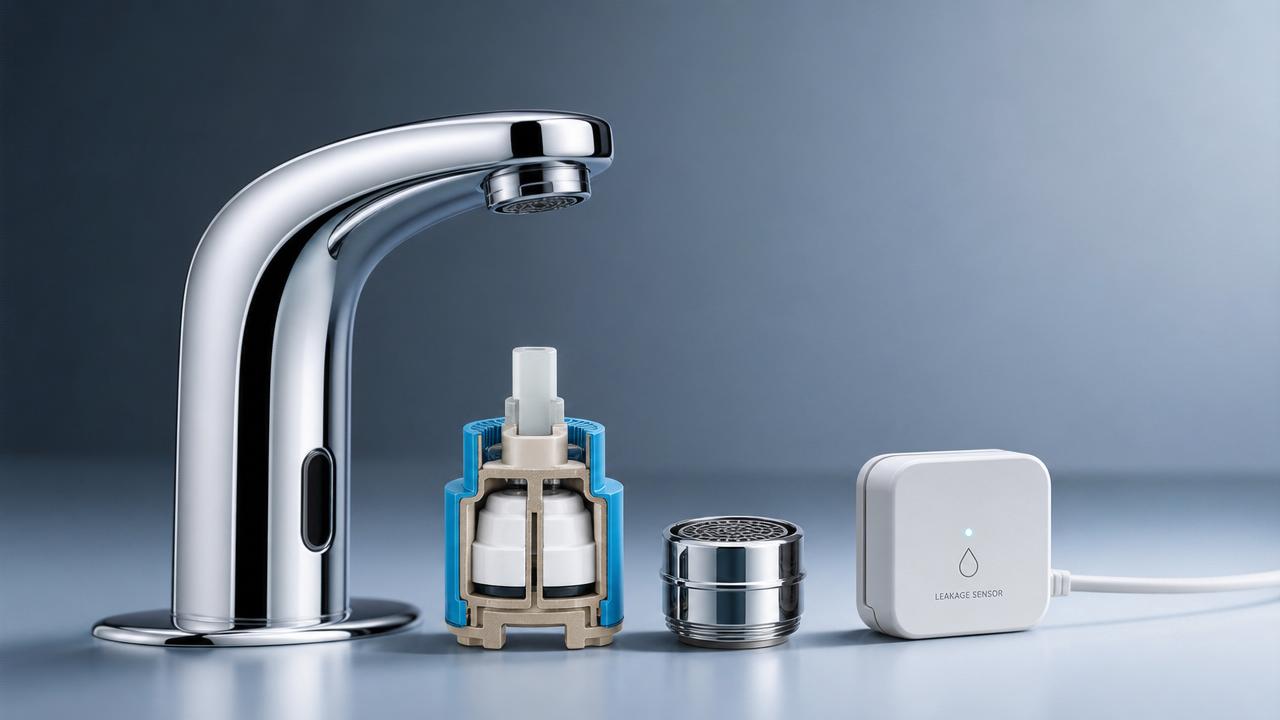
For after-sales maintenance teams, water-efficient innovations are no longer just a selling point—they are a practical way to reduce repeat service calls, prevent common system failures, and improve customer satisfaction. From smart leak detection to low-wear valve designs and optimized flow control, these solutions help technicians address issues before they become costly problems while supporting long-term performance in residential and commercial spaces.
What do water-efficient innovations actually mean for after-sales maintenance teams?
For technicians, facility support teams, and service coordinators, water-efficient innovations are not limited to products that reduce consumption on paper. In practical maintenance terms, they include fixtures, controls, valves, cartridges, sensors, and monitoring systems designed to use less water while also lowering wear, detecting abnormal flow, and improving service predictability. That distinction matters because the maintenance burden of a water-saving system depends less on a brochure claim and more on how the system behaves under daily use.
A traditional fixture may allow excessive flow, hide slow leaks, or rely on parts that degrade quickly under pressure fluctuation. By contrast, newer water-efficient designs often combine pressure compensation, controlled discharge, ceramic sealing, touchless activation, and digital alerts. For after-sales teams, this creates fewer emergency visits for overflow, persistent dripping, loose handles, seal fatigue, and user complaints about inconsistent performance.
This is why GIAM consistently tracks developments across sanitary spaces, hydraulic components, and smart kitchen and bath systems. In both residential and commercial environments, the best water-efficient innovations do two jobs at once: they conserve resources and stabilize maintenance outcomes. The second benefit is often the one service teams value most, because fewer callbacks translate into lower labor pressure, better parts planning, and stronger customer trust.
Which water-efficient innovations reduce the highest number of common service calls?
Not every efficiency upgrade has the same impact on service frequency. Some features cut utility use but create installation complexity, while others directly address the root causes behind repeat maintenance tickets. For after-sales personnel, the highest-value technologies are usually the ones that reduce hidden leakage, mechanical wear, contamination buildup, and user misuse.
The most service-relevant water-efficient innovations typically include the following:
- Smart leak detection sensors: These identify continuous flow, micro-leaks, unusual overnight usage, or pressure anomalies before damage spreads to walls, cabinets, or flooring.
- Pressure-compensating aerators and flow regulators: They maintain stable output, reduce splashing complaints, and minimize overuse caused by pressure spikes.
- Ceramic disc cartridges and low-wear valve systems: Compared with older rubber-based sealing systems, they are less likely to drip prematurely and often handle frequent operation better.
- Sensor faucets and touchless flush systems: These limit unnecessary run time and reduce misuse in high-traffic commercial settings, though they require proper calibration.
- Dual-flush and optimized flush platforms: When engineered well, they reduce water use without increasing incomplete flush complaints.
- Shutoff-integrated supply assemblies: These simplify isolation during service, reducing repair time and limiting disruption.
In actual field maintenance, the biggest gains often come from combining simple hydraulic improvements with basic monitoring capability. A low-flow fixture alone may reduce bills, but a low-flow fixture paired with durable internals and leak monitoring is far more likely to lower maintenance calls over the product lifecycle.
Where are water-efficient innovations most effective: residential units, hospitality, offices, or public washrooms?
The answer depends on usage intensity and user behavior. In low-traffic residential applications, the priority is usually preventing unnoticed leaks and preserving long-term fixture stability. In hotels, mixed-use developments, office buildings, schools, and retail facilities, the challenge shifts toward repeated operation, inconsistent user handling, and the need for quick diagnosis. That means the same category of water-efficient innovations can produce different service results depending on the setting.
In homes and apartments, maintenance teams often deal with dripping taps, concealed cistern issues, slow seepage under sinks, and pressure-related noise. Here, durable cartridges, braided hose upgrades, leak sensors, and easy-access shutoff designs are highly effective. In hospitality and office environments, sensor calibration, vandal resistance, stable flush performance, and easy replacement of modular components become more important than household aesthetics.
Public washrooms present another layer of complexity. Water-saving products in these spaces must tolerate high-frequency use, variable cleaning routines, and occasional abuse. A product that looks efficient but requires frequent recalibration can actually raise total service costs. For this reason, after-sales teams should evaluate not just water-saving performance but also service access, spare part standardization, and resistance to mineral buildup.
How should maintenance teams evaluate whether a water-efficient product will truly lower callbacks?
This is the key purchasing and specification question. A product should never be judged only by flow rate or labeling. To determine whether water-efficient innovations will reduce service demand, after-sales teams should review both hydraulic performance and maintainability. In many cases, a slightly more expensive component creates lower total cost because it reduces labor hours, damage claims, and repeat attendance.
A practical evaluation framework is shown below:
Maintenance teams should also request field data whenever possible. Ask how the product performs after six months, twelve months, and heavy-use cycles. GIAM’s industry perspective consistently shows that lifecycle service data is more valuable than launch-phase marketing claims. If a supplier cannot explain common failure modes, cleaning requirements, or replacement procedures, the product may not be ready for maintenance-sensitive projects.
What are the most common mistakes when adopting water-efficient innovations?
One major mistake is assuming that lower flow automatically means better system performance. In reality, poorly balanced low-flow fixtures can create weak user experience, incomplete rinsing, or multiple repeat uses that cancel out efficiency gains. Another mistake is focusing on the front-end fixture while ignoring the rest of the water path, including supply pressure, filtration, drain conditions, and compatibility with existing infrastructure.
A second common error is underestimating local water conditions. Hard water, suspended particles, and unstable pressure can shorten the life of precise flow controls and sensors. In these environments, the best water-efficient innovations are not necessarily the most advanced ones, but the ones designed with stronger tolerance, easy cleaning, and replaceable wear parts.
A third mistake is failing to train service teams and end users. Touchless taps may be installed correctly, but if battery replacement intervals are unclear or sensor windows are cleaned with the wrong chemicals, unnecessary complaints will rise. Similarly, dual-flush systems may save water only if users understand operation and if flush calibration matches the bowl design and actual building pressure.
Finally, some organizations buy for compliance instead of maintainability. A product may meet green building goals but still create higher service frequency if parts are proprietary, lead times are long, or diagnostics are difficult. For after-sales teams, the best decision is the one that aligns water efficiency with service simplicity.
How can after-sales teams compare traditional fixtures with newer water-efficient innovations in real service terms?
The comparison should go beyond utility reduction and focus on failure patterns, intervention speed, and repeat-visit probability. Traditional systems often appear simpler, but they may rely on components that wear faster or allow minor leaks to continue unnoticed for long periods. Newer water-efficient innovations can reduce those issues, provided the design is robust and the maintenance pathway is clear.
However, teams should remember that newer is not automatically better. If electronic controls are added without maintenance planning, the number of low-severity technical complaints can rise. The goal is not complexity; it is controlled performance. In many projects, the best option is a hybrid approach: durable mechanical internals, moderate flow optimization, and selective smart monitoring at key risk points.
What should be confirmed before procurement, retrofit, or service rollout?
Before selecting or recommending water-efficient innovations, after-sales teams should align with procurement, project managers, and facility operators on a few non-negotiable points. First, confirm the operating environment: water pressure range, water quality, traffic level, cleaning practice, and user profile. Second, verify compatibility with the existing pipework, shutoff points, mounting standards, and power requirements if sensors are involved.
Third, ask suppliers for maintenance documentation that is genuinely field-usable. This should include exploded part diagrams, replacement cycles, troubleshooting logic, and warranty boundaries. Fourth, evaluate spare part lead time and regional technical support. A highly efficient fixture can become a service headache if replacement modules are unavailable during peak demand.
Fifth, define success metrics in advance. For example, the team may want to track reduction in leak-related calls, shorter average repair duration, lower water-loss incidents, or improved first-time fix rate. These metrics help determine whether the chosen water-efficient innovations are delivering operational value rather than just design intent.
For organizations operating across residential civilization and commercial space, this evaluation mindset is especially important. As GIAM’s market intelligence perspective suggests, smarter specification creates a stronger connection between green materials, hydraulic reliability, and long-term brand credibility.
Final question: what should teams discuss first if they want to move from interest to implementation?
If a company is ready to explore water-efficient innovations in a serious way, the first discussion should not start with catalog selection alone. It should begin with the maintenance reality: Which service calls happen most often? Where do hidden leaks create the most damage? Which fixture categories fail early? Which buildings have hard water, unstable pressure, or high user turnover? Once those answers are clear, product decisions become far more accurate.
The next step is to confirm practical details such as target flow performance, durability expectations, spare part strategy, installation timeline, training needs, and reporting requirements. If further evaluation is needed, teams should prioritize discussion around system compatibility, lifecycle service burden, retrofit sequence, expected payback through reduced callbacks, and available supplier support. That is the most reliable way to turn water-saving ambition into maintenance efficiency, customer satisfaction, and stronger long-term asset performance.
Industry Briefing
Get the top 5 industry headlines delivered to your inbox every morning.