Are modern sanitary solutions reducing maintenance calls?
Are modern sanitary solutions truly reducing maintenance calls, or simply shifting service demands into new areas? For after-sales maintenance teams, the answer matters. From water-saving fixtures to smart control systems and anti-bacterial surfaces, modern sanitary solutions are reshaping how faults are prevented, detected, and resolved—while changing the skills, tools, and response strategies technicians need every day.
Why are modern sanitary solutions changing maintenance workloads?
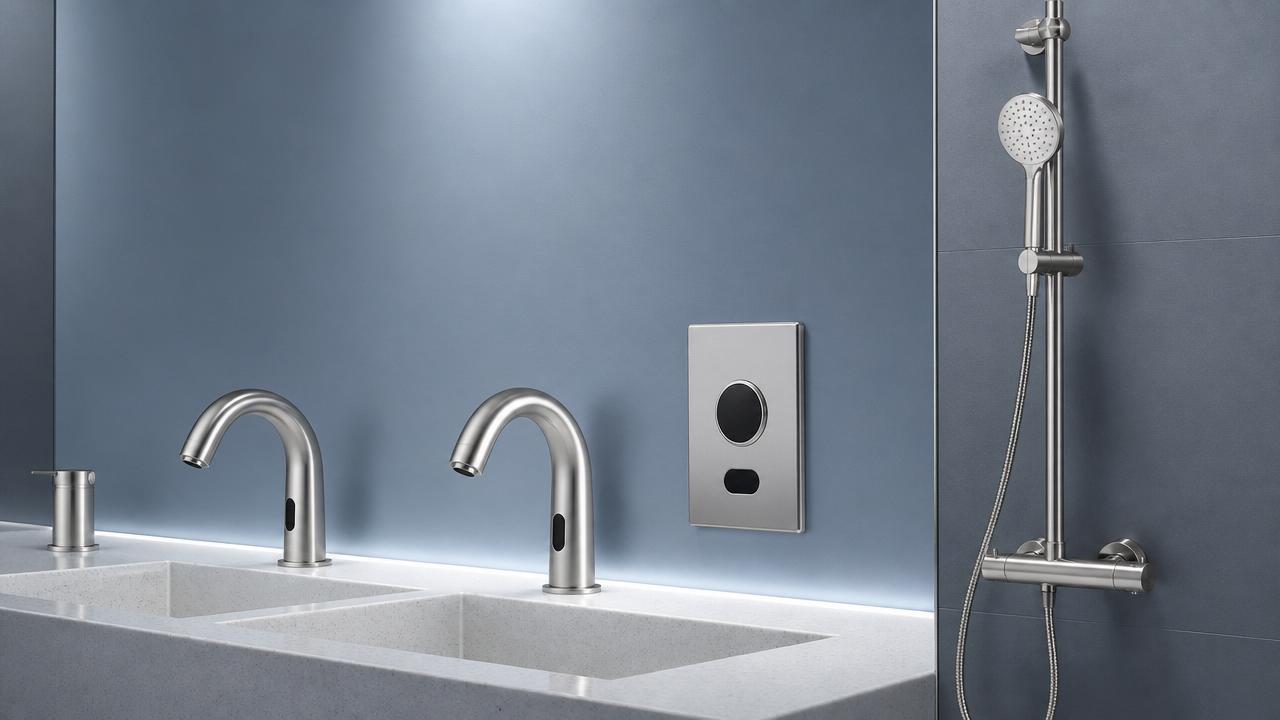
For after-sales teams, maintenance pressure is no longer driven only by leaking valves, blocked traps, or worn seals. Modern sanitary solutions now combine mechanical parts, sensors, low-flow hydraulics, touchless activation, anti-bacterial finishes, and software-based controls.
This combination often reduces classic failure modes, but it can also create new service categories. A site may report fewer routine leaks yet more calibration issues, power interruptions, sensor misreads, and compatibility questions after installation or retrofit.
In residential towers, hospitality projects, healthcare spaces, and commercial washrooms, the main question is not whether innovation helps. The practical question is which sanitary upgrades reduce field visits and which ones simply transfer work from plumbing repair to diagnostic maintenance.
- Traditional calls often come from mechanical wear, poor water pressure balance, corrosion, or low-grade components that degrade quickly under heavy use.
- Newer calls often come from power supply issues, sensor contamination, incorrect commissioning, firmware settings, or user misuse in high-traffic environments.
- The best outcomes appear when product selection, hydraulic design, spare-part planning, and service training are treated as one system instead of separate purchasing decisions.
This is where GIAM provides value. Its intelligence focus on sanitary spaces, core materials, water-saving technologies, and market demand helps maintenance teams and decision-makers understand not only what is new, but what is serviceable, scalable, and fit for local operating conditions.
Where do modern sanitary solutions reduce calls most effectively?
Not every upgrade produces the same maintenance result. Some technologies clearly lower call frequency, especially when the original problem is repetitive wear, water waste, poor hygiene, or misuse by large numbers of users.
High-impact application scenarios
The following table highlights where modern sanitary solutions tend to reduce maintenance calls and where after-sales teams should remain cautious about hidden service demands.
The table shows a clear pattern. Modern sanitary solutions reduce avoidable calls most effectively when they address repeatable human behavior, unstable temperature control, hygiene demands, or poor water efficiency. They perform less predictably when local water quality, power reliability, or legacy pipe conditions are ignored.
What problems disappear, and what new problems appear?
After-sales maintenance teams often judge products by service history rather than marketing claims. From that viewpoint, modern sanitary solutions are not a simple reduction story. They replace one fault profile with another.
Typical shift in fault patterns
This comparison helps technicians and purchasing teams understand whether a project is likely to save labor hours or require a different maintenance model.
For maintenance planning, the message is simple: call volume may go down, but diagnostic complexity often goes up. That means technician training, spare-part stocking, and commissioning quality become more important than before.
How should after-sales teams evaluate modern sanitary solutions before approval?
A purchasing choice that looks efficient on paper can create expensive service burdens later. After-sales teams should be involved early, especially in projects with multiple bathrooms, mixed occupancy, or strict handover deadlines.
Practical evaluation checklist
- Check hydraulic compatibility. Low-flow fixtures must match site pressure, pipe diameter, and expected simultaneous demand. Otherwise, water-saving designs may trigger user complaints and repeated adjustments.
- Review water quality exposure. Hard water, suspended particles, and chemical treatment can shorten cartridge life, block aerators, and interfere with precise control components.
- Confirm service access. Concealed installations look clean, but poor access panels increase labor time for valve replacement, leak tracing, and electronic repairs.
- Assess spare-part continuity. A modern sanitary solution is easier to maintain when standard seals, solenoids, filters, and cartridges are available locally or through reliable project channels.
- Verify commissioning requirements. Sensor settings, flushing intervals, and thermostatic calibration should be documented at handover to avoid avoidable callbacks.
GIAM’s sector intelligence is useful here because maintenance decisions are affected by more than product appearance. Material trends, trade shifts, energy-saving regulations, and demand patterns in sanitary spaces all influence lead times, replacement cost, and long-term serviceability.
Which technical indicators matter most for maintenance teams?
After-sales staff do not need every catalog parameter. They need the indicators that predict service behavior in actual buildings. The most useful data points are those linked to wear rate, installation risk, cleaning exposure, and fault diagnosis.
Maintenance-relevant parameters
The table below focuses on technical items that often determine whether modern sanitary solutions reduce maintenance calls in practice.
These parameters help translate product data into maintenance planning. They also reduce conflict between procurement teams focused on upfront cost and service teams focused on lifecycle stability.
What are the most common procurement mistakes?
Many service problems start in procurement rather than operation. This is especially true in mixed-use developments where architectural design, mechanical engineering, and supplier decisions are made under schedule pressure.
- Choosing based on appearance alone. Premium finishes and slim forms do not guarantee repair access, spare-part availability, or tolerance to local water conditions.
- Ignoring lifecycle cost. A cheaper fitting may require more frequent seal changes, more downtime, or more cleaning labor, which can erase initial savings.
- Over-specifying electronics for simple environments. In low-risk locations, a robust mechanical solution may outperform a complex smart unit with unnecessary service dependencies.
- Underestimating retrofit constraints. Existing wall conditions, pipe alignment, and pressure fluctuation often limit the true benefit of modern sanitary solutions unless supporting works are included.
GIAM’s cross-disciplinary perspective is relevant because sanitary products do not operate in isolation. Material science, hydraulic design, tariff shifts, and market supply patterns influence whether a specification remains maintainable after project delivery.
How do standards, compliance, and hygiene requirements affect service strategy?
In many projects, maintenance teams inherit compliance risk without being part of the original specification. Modern sanitary solutions may support water efficiency, safety, hygiene, and accessibility goals, but only if they are installed and maintained according to relevant requirements.
Key areas to verify
- Water efficiency targets may require specific flow or flush performance, but reducing volume too aggressively can weaken user satisfaction or drain-line behavior.
- Temperature safety is critical in hospitality, healthcare, and eldercare. Thermostatic control and anti-scald protection require periodic verification, not one-time installation only.
- Cleaning and hygiene protocols should match surface chemistry. Anti-bacterial claims do not remove the need for correct maintenance methods.
- Accessibility and public-use durability may require easier actuation, consistent sensor response, and reduced force demand for operation.
Maintenance teams should ask for installation records, operating instructions, replacement-part references, and any applicable test or conformity documentation available within the project file. That documentation shortens diagnosis time and reduces blame-driven callback cycles.
Do modern sanitary solutions lower total cost, or only visible call volume?
The answer depends on how cost is measured. If the focus is only the number of emergency visits, the result may look positive. If the focus includes training, preventive inspection, spare parts, and downtime, the picture becomes more balanced.
Cost logic for maintenance teams
- Modern sanitary solutions often lower reactive labor by reducing repetitive mechanical failures and misuse-related damage.
- They may increase preventive tasks such as battery checks, sensor cleaning, calibration review, and software or control verification.
- They usually create the best value in high-use buildings, where water savings, hygiene control, and user behavior justify the upgrade.
- They may offer weaker payback in small, low-traffic projects where simple mechanical systems are already easy to maintain.
So yes, modern sanitary solutions can reduce maintenance calls, but the strongest gains come when service strategy is built into specification, training, and replacement planning from the start.
FAQ: what do after-sales maintenance teams ask most often?
How do we know if a modern sanitary solution is suitable for retrofit projects?
Start with pressure conditions, pipe cleanliness, wall access, and user density. Retrofits fail when new fixtures are installed on old systems without checking debris load, alignment tolerance, and maintenance access. If those basics are unstable, the service burden may rise instead of fall.
Are touchless fixtures always better for reducing maintenance calls?
Not always. In high-traffic public spaces, touchless systems often reduce misuse and physical damage. In low-use or poorly maintained environments, they can introduce avoidable issues related to batteries, sensor fouling, or inconsistent setup. The site context matters more than the feature list.
What should we prioritize: water saving or service simplicity?
Prioritize balance. Water-saving performance is valuable, but not if flow becomes too weak for user expectations or site pressure conditions. The best modern sanitary solutions achieve savings without increasing complaint frequency or maintenance adjustments.
Which spare parts should be planned first?
Focus on high-turn items: cartridges, seals, filters, aerators, batteries, solenoids, and sensor-related consumables where applicable. Stocking these parts shortens downtime and avoids repeated dispatches for minor faults.
Why choose us for sanitary space intelligence and maintenance-focused decision support?
GIAM supports maintenance-led decisions by connecting sanitary product evolution with real building performance. Our intelligence model combines material science, hydraulic expertise, market scanning, and commercial insight so teams can evaluate not only design trends, but service consequences.
If you are assessing modern sanitary solutions for new projects, retrofits, or portfolio-wide maintenance optimization, we can help you clarify the points that directly affect after-sales outcomes.
- Parameter confirmation for pressure range, water-saving fit, cleaning compatibility, and service access requirements.
- Product selection support based on usage intensity, building type, retrofit constraints, and expected maintenance workload.
- Delivery-cycle discussion informed by market movement, supply conditions, and specification sensitivity.
- Custom solution review for sanitary spaces that need a balance of hygiene, water efficiency, durability, and maintainability.
- Certification and compliance guidance for projects facing water efficiency, safety, or sanitation-related documentation requirements.
- Sample and quotation communication that helps technical teams compare options before committing to larger procurement packages.
For after-sales maintenance teams, the real goal is not simply fewer calls. It is fewer avoidable calls, faster diagnosis, better spare-part planning, and more predictable service outcomes. That is the decision framework GIAM is built to support.
Industry Briefing
Get the top 5 industry headlines delivered to your inbox every morning.