Modern Sanitary Solutions That Make Cleaning Easier, Not Harder
For after-sales maintenance teams, modern sanitary solutions are no longer just about appearance—they directly affect cleaning efficiency, service response, and long-term performance. From antibacterial surfaces to water-saving fixtures and smart components, today’s sanitary systems are designed to reduce labor, simplify upkeep, and improve user satisfaction. Understanding these upgrades helps maintenance professionals solve issues faster and support cleaner, more reliable spaces.
What modern sanitary solutions mean in today’s built environment
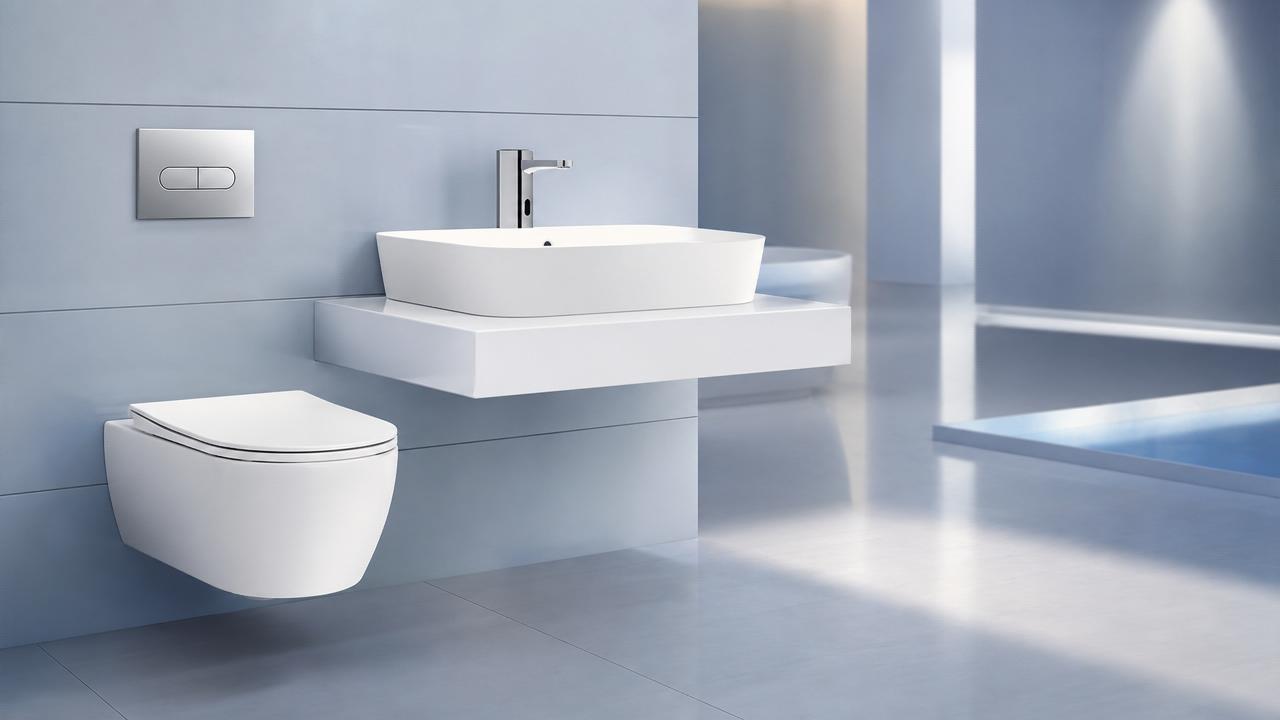
In practical terms, modern sanitary solutions refer to sanitary products, materials, and integrated systems designed to improve hygiene, reduce maintenance effort, and support better water and energy performance. This includes toilets with rimless bowls, faucets with sensor activation, anti-bacterial surfaces, concealed flushing systems, easy-clean glazes, modular drain assemblies, and smart monitoring features that alert teams to leaks or abnormal usage.
For after-sales maintenance personnel, the value of these solutions is operational rather than purely aesthetic. A well-designed sanitary space can shorten cleaning cycles, reduce call-backs, simplify part replacement, and improve fault diagnosis. In residential towers, hotels, hospitals, offices, and retail projects, maintenance teams are increasingly expected to support sanitary systems that combine hygiene, durability, water efficiency, and digital control.
This is also why the topic matters within a broader industry context. GIAM’s focus on building materials, sanitary spaces, and smart kitchen and bath systems reflects a market shift: sanitary performance is now part of spatial intelligence. It connects public health, sustainability standards, occupant expectations, and long-term asset management.
Why the industry is paying closer attention
Several market forces are driving stronger interest in modern sanitary solutions. First, hygiene expectations have risen sharply across both residential and commercial environments. Users now notice whether a surface stains easily, whether touchpoints are minimized, and whether odor control is effective. Second, building operators face increasing pressure to reduce water use and support carbon reduction goals. Third, digital devices are becoming more common in washrooms and utility areas, making maintenance data more accessible.
From a maintenance viewpoint, this means service teams are dealing with systems that are cleaner by design but often more integrated than older installations. Traditional cleaning logic focused on scrubbing visible dirt and replacing worn parts after failure. New sanitary systems aim to prevent buildup, optimize flushing, improve drainage, and provide early warning. That shift changes maintenance from reactive work to planned performance support.
In addition, product innovation is no longer isolated. Material science, hydraulic design, and smart controls are merging. GIAM’s industry intelligence model highlights exactly this kind of convergence: anti-bacterial materials, water-saving technologies, and smart access or fixture systems increasingly work together in one sanitary ecosystem.
A practical overview of the main solution categories
Not every upgrade affects maintenance in the same way. Some reduce cleaning time directly, while others improve reliability or make diagnostics easier. The table below summarizes the most common categories of modern sanitary solutions and what they mean for field service teams.
How these solutions make cleaning easier, not harder
The best modern sanitary solutions remove friction from daily service work. Rimless toilets, for example, eliminate enclosed channels where scale and bacteria typically accumulate. Wall-hung units improve floor access, making mopping and disinfection more consistent. Integrated basins with smoother transitions reduce grime collection around joints and corners. These design changes may look minor on a product sheet, but they significantly affect labor time over months and years.
Surface engineering also plays an important role. Hydrophobic and anti-stain coatings help water carry away residue before it hardens into scale. In hard-water regions, this can lower the frequency of deep descaling. For maintenance teams, that means less aggressive cleaning, fewer repeat visits for appearance-related complaints, and lower risk of damaging finishes through over-scrubbing.
Water-saving systems contribute in a different way. When flush performance is optimized rather than simply reduced, waste removal becomes more consistent and bowl cleanliness improves. Good hydraulic design is essential here. Poorly matched low-flow systems can create service issues, but well-engineered systems reduce unnecessary water use without creating more cleaning work.
Smart functions can further simplify maintenance. A sensor faucet that reports low battery or irregular activation allows the service team to solve the issue before users experience failure. Leak detection under vanities or behind concealed cisterns can prevent mold, finish damage, and emergency interventions. In this sense, modern sanitary solutions support not only cleaner surfaces but also cleaner maintenance workflows.
Where after-sales teams see the greatest value
Different environments benefit from these solutions in different ways. Maintenance teams should understand the service priorities behind each project type rather than treat every sanitary installation as identical.
Maintenance considerations that should not be overlooked
Although modern sanitary solutions are designed to simplify upkeep, they still require correct service practices. One common mistake is using harsh chemicals on advanced coatings or anti-bacterial finishes. A product may be easier to clean, but incompatible cleaners can shorten its service life or reduce its hygiene performance. Maintenance teams should always confirm cleaning-agent compatibility with the manufacturer’s technical guidance.
Another issue is access planning. Concealed systems look cleaner and often improve hygiene, but they must include well-designed access points for valves, flush components, and sensors. If these details are ignored during installation, after-sales service becomes unnecessarily slow. For this reason, maintenance professionals should be involved early when possible, especially in commercial projects where downtime is costly.
Spare parts strategy also matters. Smart and water-saving fixtures may use proprietary cartridges, batteries, control modules, or software-linked components. Easy maintenance depends not only on the fixture design but also on parts availability, documentation quality, and clear fault coding. A technically advanced system without service support can become harder, not easier, to maintain.
Training is equally important. Teams that understand flush dynamics, sensor alignment, seal wear patterns, and coating care can maintain modern sanitary solutions far more effectively than teams relying only on traditional mechanical habits. As GIAM’s intelligence perspective suggests, spatial systems are becoming more interdisciplinary. Maintenance knowledge must evolve with them.
Practical guidance for evaluating sanitary upgrades
When assessing whether a sanitary product or system truly reduces maintenance effort, after-sales teams can use a straightforward evaluation framework:
- Check whether the design removes dirt traps, hidden channels, and hard-to-reach joints.
- Review water performance together with cleaning outcome, not in isolation.
- Confirm the chemical resistance and care instructions of all coated or treated surfaces.
- Verify service access for concealed or integrated components.
- Evaluate spare-part availability, response times, and technical documentation.
- Consider whether digital features produce actionable alerts rather than unnecessary complexity.
This approach keeps the focus on lifecycle value. The goal is not simply to install newer fixtures, but to support sanitary spaces that remain hygienic, efficient, and serviceable over time. That is especially relevant in projects shaped by green building targets, stricter sanitation expectations, and rising labor costs.
The broader business significance for service-driven operations
For organizations responsible for post-installation support, modern sanitary solutions can improve more than cleaning routines. They can reduce complaint frequency, support sustainability reporting, and strengthen confidence in a brand or facility. In competitive sectors, reliable sanitary performance influences guest reviews, tenant satisfaction, and public perception. What looks like a technical detail at fixture level often becomes a business issue at property level.
This is where GIAM’s role as an intelligence platform becomes highly relevant. Sanitary products are no longer separate from wider construction trends. Material innovation, environmental regulation, urban demand, and smart building logic all shape how sanitary spaces are specified and maintained. For after-sales professionals, staying informed is part of operational readiness.
Moving from product awareness to better maintenance outcomes
The most effective modern sanitary solutions are those that make hygiene easier, maintenance more predictable, and service intervention less disruptive. For after-sales teams, that means looking beyond surface appearance and understanding how design, materials, hydraulics, and smart controls work together. When these elements are properly selected and supported, cleaning becomes faster, faults are easier to trace, and long-term performance becomes more stable.
If your organization supports sanitary spaces across residential, commercial, or mixed-use projects, a structured understanding of modern sanitary solutions is now essential. Use product intelligence, maintenance feedback, and site performance data together. That is the most practical way to deliver cleaner spaces, lower service burden, and better value across the entire building lifecycle.
Industry Briefing
Get the top 5 industry headlines delivered to your inbox every morning.