Smart Bathroom Solutions That Reduce Maintenance Callbacks
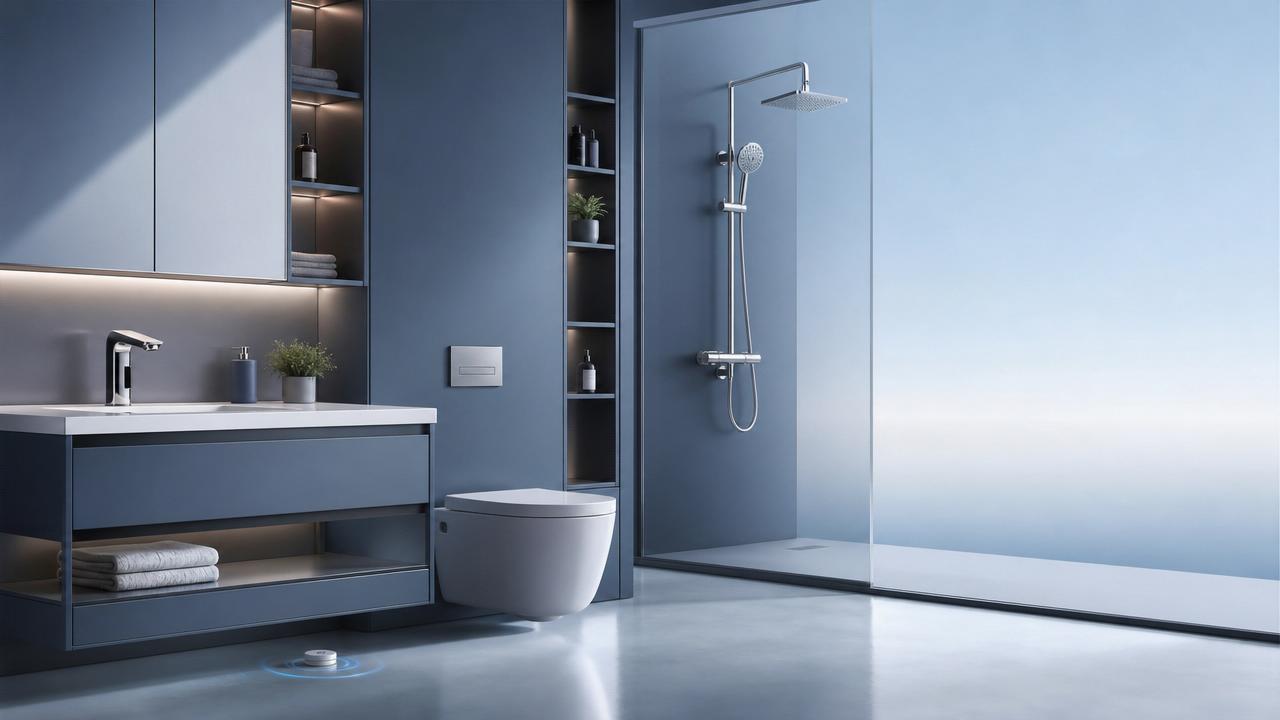
For after-sales maintenance teams, recurring service calls often start with avoidable specification mistakes. Smart bathroom solutions reduce those failures through better monitoring, stronger materials, and easier service access.
They also support water efficiency, stable hygiene, and faster fault isolation. In residential and commercial projects alike, smart bathroom solutions help cut repair frequency and improve lifetime performance.
For GIAM, this topic connects building materials, sanitary systems, and digital controls. It reflects how practical intelligence can align design quality with long-term operational value.
What are smart bathroom solutions, and why do they reduce maintenance callbacks?
Smart bathroom solutions combine connected fixtures, efficient hydraulics, durable surfaces, and service-friendly layouts. Their goal is not only convenience, but fewer breakdowns and easier maintenance.
Traditional bathrooms often fail because problems stay hidden. Small leaks, pressure imbalance, and sensor drift can develop slowly before becoming expensive service events.
Smart bathroom solutions address that gap with early alerts, programmable controls, and component tracking. When faults are visible sooner, intervention is simpler and less disruptive.
They also reduce wear through more precise operation. Touchless faucets, timed flushing, and thermostatic mixing limit misuse, overrun, and excessive pressure shock.
Another benefit is standardization. Digital diagnostics and modular parts help service teams identify issues faster, reducing repeat visits caused by uncertain troubleshooting.
- Leak sensors catch hidden failures before visible damage appears.
- Touchless fixtures reduce contamination and mechanical overuse.
- Smart valves improve pressure and temperature consistency.
- Accessible installation zones shorten repair time.
Which smart bathroom solutions have the biggest impact in real projects?
Not every feature delivers equal value. The best smart bathroom solutions usually target common failure points first: leaks, clogs, loose fittings, unstable temperature, and poor access.
1. Leak detection and automatic shutoff
These systems monitor moisture, flow irregularities, or pressure loss. When thresholds are exceeded, alerts are triggered or water supply can shut off automatically.
This is especially valuable behind vanities, within wall cavities, and under tubs. Hidden water damage often creates the most expensive callbacks.
2. Sensor-based faucets and flush controls
Well-calibrated sensors reduce handle wear and improve hygiene. They also support controlled water use, which lowers strain on valves and drainage systems.
However, sensor quality matters. Poor units may create false activations, power issues, or difficult recalibration, causing more service calls instead of fewer.
3. Thermostatic and pressure-balancing controls
Temperature complaints are common in showers. Smart bathroom solutions with thermostatic stability prevent scalding risk and reduce cartridge stress caused by frequent adjustments.
4. Anti-bacterial and low-maintenance materials
Non-porous surfaces, anti-scale finishes, and corrosion-resistant alloys support cleaner operation. Material choice often influences maintenance rates more than electronics alone.
5. Serviceable mounting and modular replacement
A concealed system should still allow access. Removable panels, standardized cartridges, and clearly labeled shutoff points are practical smart bathroom solutions.
Where do smart bathroom solutions work best: residential, hospitality, healthcare, or public spaces?
The answer depends on traffic, user behavior, water quality, and maintenance conditions. Smart bathroom solutions should match the operating reality of each environment.
Residential settings
Homes benefit most from leak detection, water-saving fixtures, and intuitive controls. Quiet operation and easy app-based alerts also matter.
In multi-unit buildings, remote metering and shutoff functions can prevent damage from vacant units or unnoticed supply failures.
Hospitality projects
Hotels need reliability, appearance consistency, and fast turnover between guests. Smart bathroom solutions help by reducing room downtime and standardizing maintenance procedures.
Touchless operation, anti-scale coatings, and modular repair components are particularly useful in high-frequency use conditions.
Healthcare and senior living
In these settings, hygiene and safety are critical. Thermostatic protection, touchless activation, and anti-microbial materials offer both operational and user-care advantages.
Commercial and public washrooms
Heavy traffic amplifies misuse and wear. Smart bathroom solutions for public spaces should emphasize tamper resistance, battery management, and quick access for replacement.
How should smart bathroom solutions be selected to avoid costly mistakes?
Selection should start with failure history, not appearance alone. If previous callbacks came from leaks or scaling, focus there before adding premium digital features.
Water quality is a major factor. Hard water can shorten sensor life, block aerators, and damage valves. Smart bathroom solutions must fit local conditions.
Power strategy matters too. Battery-powered devices are flexible, but they need monitoring and replacement planning. Wired systems reduce battery work but require stronger coordination.
Interoperability should never be ignored. Smart bathroom solutions should communicate with building systems clearly, or at least provide straightforward local diagnostics.
- Check material compatibility with water chemistry and cleaning agents.
- Prefer replaceable modules over sealed single-failure assemblies.
- Verify spare parts availability and lead times.
- Test sensor accuracy in real lighting and traffic conditions.
- Ensure shutoff points remain accessible after finishing work.
A low purchase price can be misleading. Service complexity, proprietary tools, and hard-to-source components often create higher lifecycle cost.
What implementation risks and common misconceptions should be avoided?
One common misconception is that smart always means complicated. In reality, the most effective smart bathroom solutions often simplify maintenance instead of adding burden.
Another mistake is over-specifying technology without improving the installation base. Poor sealing, bad slope, or weak supports cannot be solved by software.
A third risk is ignoring training. Even excellent smart bathroom solutions can fail if teams do not understand calibration, reset logic, or preventive inspection routines.
Projects also fail when access panels are eliminated for visual reasons. Hidden systems need planned service paths, or minor issues become destructive repairs.
What do cost, lifecycle, and long-term performance really look like?
Initial investment is usually higher than conventional products. Still, smart bathroom solutions can deliver stronger value when they prevent water damage and reduce repeat labor.
Savings often come from fewer emergency visits, lower water waste, and faster diagnosis. In high-use spaces, these gains can become visible quite quickly.
Lifecycle performance depends on maintenance planning. Battery schedules, firmware support, filter replacement, and cleaning protocols should be defined from the start.
The most durable smart bathroom solutions usually combine three strengths: robust materials, simple diagnostic logic, and non-destructive access for repair.
That combination aligns with GIAM’s view of spatial intelligence. Strong building fundamentals and digital insight should work together, not compete with each other.
FAQ summary: which smart bathroom solutions deserve priority first?
If reducing callbacks is the main target, start with practical upgrades that solve repeat failures. Expansion into advanced controls can follow once the basics are stable.
Smart bathroom solutions are most effective when design, materials, hydraulics, and digital controls are planned as one system. That is how maintenance callbacks start to decline consistently.
The next practical step is simple: review recurring bathroom failures, rank them by cost and frequency, and match each issue with targeted smart bathroom solutions.
A focused, lifecycle-driven approach creates safer sanitary spaces, better operating efficiency, and more resilient building performance over time.
Industry Briefing
Get the top 5 industry headlines delivered to your inbox every morning.