Architectural design trends shifting hotel guest spaces
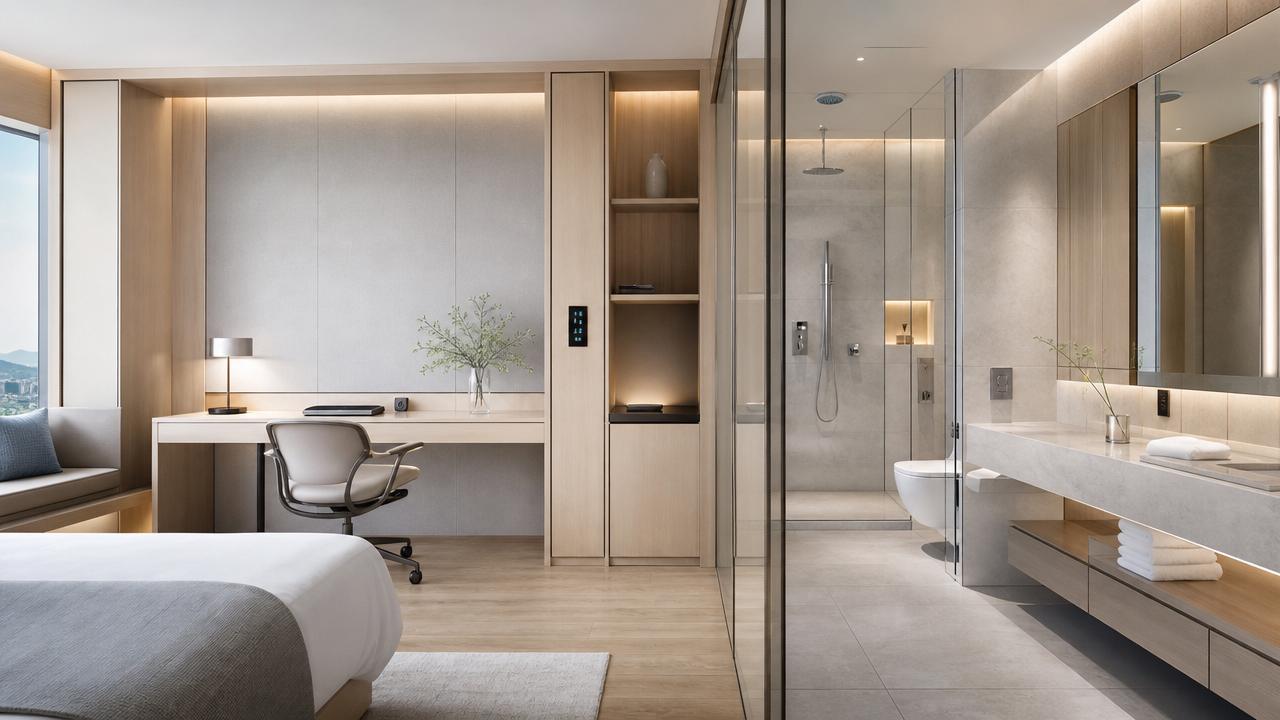
Architectural design trends are rapidly reshaping hotel guest spaces as operators respond to rising expectations for comfort, sustainability, hygiene, and smart functionality. For business decision-makers, understanding these shifts is essential to creating guest environments that strengthen brand value, improve operational efficiency, and support long-term competitiveness in an evolving global hospitality landscape.
Why decision-makers should use a checklist to evaluate architectural design trends
Hotel guest room transformation is no longer a purely aesthetic exercise. Today, architectural design trends influence revenue strategy, maintenance costs, sustainability compliance, labor efficiency, brand perception, and guest loyalty at the same time. A checklist-based approach helps leaders avoid a common mistake: investing in visible upgrades while missing hidden systems that shape long-term performance.
For executives, owners, asset managers, procurement teams, and development leaders, the practical question is not simply which trends look modern. The better question is which architectural design trends can improve occupancy appeal, reduce lifecycle cost, support healthier spaces, and align with future building standards. A structured review makes trend adoption measurable, comparable, and easier to scale across portfolios.
First review: the key signals behind shifting hotel guest spaces
Before selecting finishes, layouts, or smart systems, decision-makers should confirm what is actually driving change in guest space design. The following signals explain why architectural design trends are moving quickly across hospitality projects:
- Guests now expect residential comfort in commercial environments, including warmer materials, more intuitive lighting, quieter acoustics, and flexible furniture zones.
- Sustainability standards are becoming harder to ignore, especially in relation to water efficiency, low-emission materials, energy management, and circular design.
- Hygiene design has moved from operational protocol into built-space strategy, affecting touchpoints, bathroom detailing, airflow planning, and surface specification.
- Digital guest expectations are rising, which means architectural design trends increasingly integrate smart locks, app-based controls, occupancy-responsive systems, and connected bathroom or kitchen components.
- Labor shortages are forcing hotels to favor layouts and materials that reduce cleaning time, simplify maintenance, and improve replacement efficiency.
- Global investors and operators are more focused on lifecycle return, so design choices must perform beyond the opening year.
Core checklist: what to examine when assessing architectural design trends in guest rooms
1. Layout flexibility and space efficiency
The room footprint is under pressure to do more. Leaders should check whether the design supports multiple guest behaviors without creating clutter. High-value trends include integrated work surfaces, adaptable seating, open circulation, and bathroom transitions that improve flow. The key standard is not whether a room looks spacious in photography, but whether the layout supports comfort, cleaning, luggage movement, digital work, and short-stay or extended-stay usage.
2. Material strategy beyond appearance
Architectural design trends increasingly prioritize materials that deliver durability, hygiene, and sustainability together. Decision-makers should verify abrasion resistance, cleanability, moisture behavior, VOC performance, slip resistance in wet zones, and replacement availability. In guest bathrooms and integrated kitchenette areas, anti-bacterial surfaces, grout-minimizing solutions, and water-resistant substrates can produce stronger long-term economics than visually attractive but maintenance-heavy alternatives.
3. Smart functionality that genuinely improves the stay
Not every digital feature adds value. The right evaluation method is to ask whether technology solves a real operational or guest problem. Priority systems often include smart access control, occupancy-based HVAC and lighting, bedside charging integration, water monitoring, and service request connectivity. Architectural design trends are most effective when technology is built into the space cleanly rather than added as a visible afterthought.
4. Wellness, acoustics, and perceived comfort
Guest satisfaction is strongly tied to factors that are often invisible in marketing visuals. Review sound insulation between rooms, blackout quality, air freshness, humidity control, glare management, and tactile comfort. One of the most important architectural design trends is the shift from decorative luxury toward multisensory comfort. A room that sleeps well, feels calm, and supports privacy often outperforms a more expensive room with weaker environmental control.
5. Water efficiency and sanitary space intelligence
Bathrooms remain a decisive zone for both guest impression and resource consumption. Check for low-flow but high-comfort fixtures, leak detection, easy-to-clean detailing, anti-mold ventilation planning, and durable sanitary hardware. In many global markets, hotel renovations now rely on architectural design trends that merge water-saving technology with premium user experience instead of treating sustainability as a compromise.
6. Brand coherence and local relevance
A trend should strengthen identity, not erase it. Executives should ask whether the guest space reflects the hotel’s market position, target traveler profile, and regional context. Natural textures, locally referenced finishes, and restrained customization can elevate memorability without increasing complexity. The strongest architectural design trends do not produce generic rooms; they create recognizable, scalable character.
Quick decision table: how to judge high-impact trends
Use the following table to compare trend value more efficiently during planning, specification, or renovation review.
Scenario guide: what changes by hotel type or investment model
Luxury and upper-upscale hotels
Here, architectural design trends should focus on refinement rather than feature overload. Decision-makers should prioritize layered lighting, material authenticity, spacious bathroom expression, advanced acoustic isolation, and discreet smart integration. The benchmark is emotional quality plus seamless performance.
Midscale and select-service properties
The priority is balanced ROI. Guest spaces should emphasize durable finishes, intuitive layouts, standardized smart controls, and sanitary products that simplify housekeeping. Architectural design trends in this segment work best when they create a premium impression through efficient specification rather than expensive customization.
Extended-stay and hybrid hospitality formats
These properties require stronger integration of storage, compact food preparation, and multi-purpose zoning. Smart kitchen and bath systems, moisture-resistant materials, and ergonomic circulation are particularly important. Here, architectural design trends intersect directly with residential expectations.
Renovation-led asset repositioning
If the project is a refurbishment rather than a new build, the first question should be what can be upgraded with minimal structural intervention. Wet-zone modernization, digital access, fixture replacement, and surface system renewal often provide stronger returns than full layout reconstruction. Decision-makers should focus on trends that fit existing infrastructure constraints.
Common blind spots that weaken otherwise strong design strategies
- Choosing statement materials without confirming cleaning chemistry compatibility or spare-part continuity.
- Installing smart features that are not easy for guests or staff to understand.
- Underestimating bathroom ventilation, drainage detailing, and moisture control.
- Treating sustainability only as certification language instead of a measurable operating benefit.
- Ignoring acoustic comfort during room refresh projects because it is less visible than décor upgrades.
- Following broad architectural design trends without checking local traveler behavior, tariff exposure, or regional supply stability.
Execution checklist: what to prepare before moving forward
To convert architectural design trends into a workable hotel guest space strategy, business teams should prepare the following inputs early:
- A clear guest segment definition, including stay duration, price sensitivity, and expected digital experience.
- Current operational pain points such as cleaning labor, water consumption, maintenance frequency, or guest complaints.
- Lifecycle budget parameters, not just opening capex targets.
- Required sustainability and compliance benchmarks across target markets.
- A materials and systems shortlist that includes performance data, sourcing risk, and replacement lead time.
- A coordination plan between design, engineering, procurement, and brand teams so that space decisions are not made in isolation.
FAQ: practical questions leaders ask about architectural design trends
Which trend should be prioritized first in older hotel assets?
Start with the elements that affect guest perception and operating cost simultaneously: bathrooms, lighting control, access systems, acoustic upgrades, and high-wear finishes. These usually provide the clearest return.
How can a hotel avoid trend-driven overdesign?
Use a filter based on guest value, maintenance impact, and brand fit. If a trend does not improve experience, efficiency, or differentiation, it should not be a priority investment.
Are sustainable guest spaces always more expensive?
Not necessarily. Many architectural design trends in green materials, water-saving fixtures, and smart controls reduce utility and replacement costs over time. The key is evaluating total lifecycle value rather than initial purchase price alone.
Final action guide for hotel investors, operators, and supply-chain partners
The most effective response to architectural design trends is disciplined prioritization. Focus first on guest-space decisions that improve comfort, hygiene, sustainability, and operational efficiency together. Then test each trend against layout logic, material durability, smart integration, sanitary performance, and brand relevance. This approach helps decision-makers build hotel environments that are visually current yet commercially resilient.
If your organization plans to upgrade or develop hotel guest spaces, the next discussion should cover five points in detail: performance requirements for materials and sanitary systems, compatibility with smart room infrastructure, budget and lifecycle targets, regional supply and compliance factors, and the timeline for phased implementation. Clarifying these issues early will make architectural design trends far more actionable and far more profitable.
Industry Briefing
Get the top 5 industry headlines delivered to your inbox every morning.