Energy-efficient construction mistakes that delay payback
Why payback slips in energy-efficient construction
Many energy-efficient construction projects promise fast savings, yet common planning, specification, and execution errors can quietly delay payback.
For business evaluation, the real issue is not only energy performance. It is the gap between modeled savings, installed quality, operating behavior, and lifecycle cost.
A building can meet a green narrative while still underperforming financially. That mismatch often starts before procurement and continues through commissioning and use.
GIAM tracks how materials, sanitary systems, smart controls, and commercial design choices shape returns across global construction projects.
The most effective response is a structured review process. A practical checklist helps expose hidden assumptions before they become expensive delays.
Why a checklist matters before budgets are locked
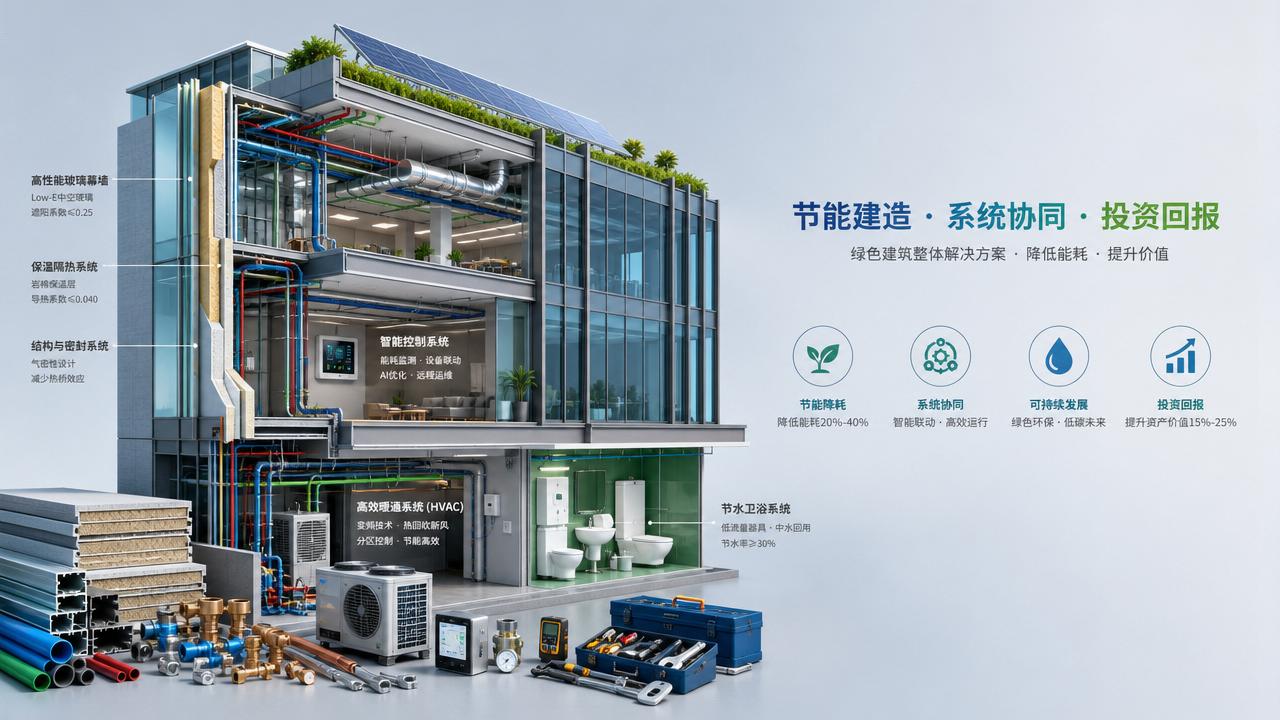
Energy-efficient construction combines envelope design, mechanical systems, water performance, controls, occupant comfort, and maintenance planning.
When one decision is isolated, another system often absorbs the cost. Better insulation may reduce HVAC size, but poor controls can erase that advantage.
A checklist creates discipline around decisions that affect payback: baseline data, system compatibility, installation quality, and actual operating conditions.
It also supports better conversations about green materials, water-saving technologies, smart kitchen and bath systems, and long-term asset value.
Core checks that prevent delayed returns
- Verify the baseline energy model uses current occupancy, climate, and utility tariffs, not outdated assumptions that inflate savings and shorten projected payback.
- Check whether envelope upgrades, HVAC sizing, ventilation, and smart controls were designed together, because isolated specifications often create performance conflicts.
- Confirm that premium materials are selected for lifecycle value, durability, and maintenance impact, not only for certification points or marketing claims.
- Review installation tolerances for insulation, air sealing, glazing, ducts, and pipework, since small field errors can cause large efficiency losses.
- Require commissioning for HVAC, lighting, water systems, and controls, including trend verification after occupancy rather than one-time startup approval.
- Test whether water-saving fixtures, sanitary systems, and hot-water distribution reduce both water and energy use without harming user experience.
- Audit control logic for sensors, schedules, and overrides, because poorly configured automation often increases runtime and reduces expected savings.
- Include maintenance access, replacement cycles, and spare-part availability in financial analysis, especially for imported smart systems and specialized components.
- Measure internal loads from kitchens, plug equipment, lighting density, and process heat, since they can materially change energy-efficient construction outcomes.
- Recalculate payback with conservative scenarios for tariffs, occupancy shifts, and weather variation so investment decisions remain resilient under uncertainty.
Where energy-efficient construction mistakes appear most often
Early design and feasibility
The first mistake is treating energy-efficient construction as an add-on package. That usually produces expensive upgrades without system optimization.
Feasibility studies should compare envelope, water, ventilation, lighting, and controls as one investment logic, not separate line items.
Procurement and substitutions
Savings often disappear when approved specifications are replaced with look-alike products that have weaker performance data or shorter service lives.
This is especially risky for glazing, insulation systems, pumps, valves, smart fixtures, and control devices tied to integrated performance targets.
Construction and installation
On-site workmanship has a direct effect on air leakage, thermal bridging, balancing, and control accuracy. Financial models rarely capture those losses in advance.
Energy-efficient construction requires verification points during installation, not only end-of-project inspections after walls are closed and systems are energized.
Handover and operation
A technically efficient building can still miss payback if operators receive weak documentation, unclear setpoints, or no post-occupancy tuning support.
Operational drift is one of the biggest reasons projected savings from energy-efficient construction fail to materialize in real use.
Application notes for different project situations
New commercial spaces
In new builds, overdesign is a frequent problem. Teams may layer high-performance components without adjusting equipment sizes and control sequences.
Check right-sizing, whole-building simulation, water-energy interactions, and material durability before approving premium capital spending.
Renovation and retrofit projects
Retrofits face hidden conditions, legacy systems, and occupancy constraints. Savings estimates often ignore these friction costs.
Review compatibility between old distribution networks and new efficient equipment. Confirm phased commissioning and realistic disruption allowances.
Residential and mixed-use buildings
Mixed loads complicate payback. Domestic hot water, bathroom ventilation, kitchens, and user preferences can dominate modeled energy use.
Assess sanitary fixtures, smart kitchen systems, control simplicity, and occupant comfort together. If users bypass systems, efficiency drops quickly.
High-spec interior upgrades
Interior renovation can improve brand image while weakening payback if material choices raise internal loads or maintenance complexity.
Check lighting heat gains, appliance density, antibacterial surfaces, water efficiency, and compatibility with building management systems.
Frequently ignored items that hurt ROI
Tariff structure is simplified
Many models use average utility prices. Real bills may include demand charges, seasonal tiers, and penalties that change the payback picture.
Water and energy links are missed
Hot-water systems, sanitary layouts, and fixture selection affect both resource categories. Ignoring this link understates savings or masks waste.
Maintenance labor is excluded
A component may be efficient on paper but expensive to clean, calibrate, or replace. Higher operating labor delays return on investment.
Controls are too complex
If users do not understand settings, they create overrides. Manual workarounds can cancel the value of advanced energy-efficient construction systems.
Trade and supply risks are overlooked
Tariffs, lead times, and spare-part delays can increase capital cost and downtime. Financial analysis should reflect supply-chain exposure.
Practical steps to protect payback
- Set one verified baseline for energy, water, occupancy, and tariffs before comparing design options.
- Use lifecycle cost review for materials, smart systems, and sanitary components, not first cost alone.
- Freeze critical performance specifications and require approval for substitutions that affect modeled savings.
- Add site quality checkpoints for envelope continuity, balancing, controls setup, and water system performance.
- Plan post-occupancy measurement for at least one seasonal cycle to catch drift and tune systems early.
FAQ on delayed returns in energy-efficient construction
Is higher efficiency always worth the extra cost?
No. The best option depends on usage profile, tariff structure, climate, maintenance, and system integration. More technology does not always mean faster payback.
What is the most common hidden mistake?
Poor alignment between model assumptions and actual operation. This includes occupancy, control schedules, internal loads, and maintenance practices.
Can water-saving upgrades affect energy payback?
Yes. Reduced hot-water demand can improve returns, especially in buildings with bathrooms, kitchens, or high sanitary system usage.
Final action points
Energy-efficient construction delivers strong value when decisions are tested against real operating conditions, not optimistic assumptions.
The fastest way to improve returns is to review design integration, procurement discipline, installation quality, and post-handover performance together.
Use the checklist above to challenge savings claims, validate lifecycle value, and connect sustainability goals with durable commercial results.
In a market shaped by evolving standards, smart interiors, and resource efficiency, better intelligence is what keeps payback on schedule.
Industry Briefing
Get the top 5 industry headlines delivered to your inbox every morning.