How commercial buildings cut costs with efficient design
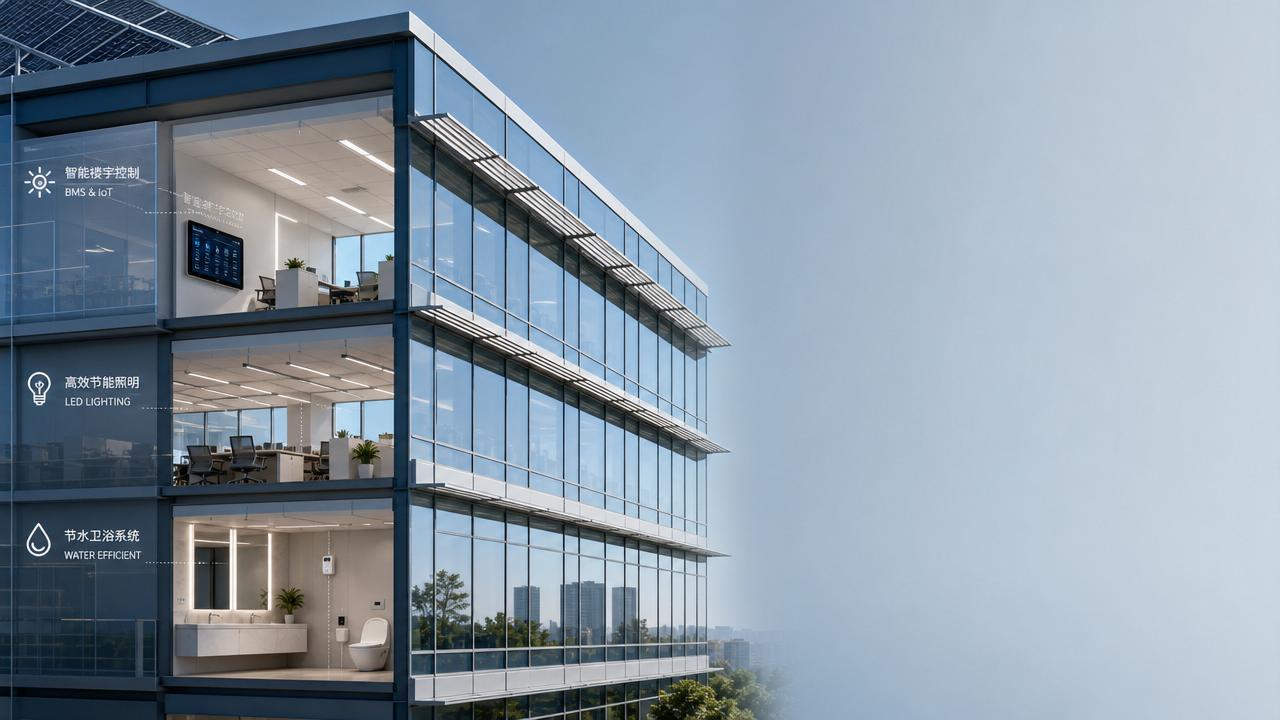
Rising operating costs and tighter sustainability targets are pushing project leaders to rethink how commercial spaces are planned and built. From smarter material selection to optimized layouts and integrated building systems, energy-efficient architecture for commercial buildings offers a practical path to lower long-term expenses, improve asset performance, and meet evolving compliance standards. This article explores how efficient design decisions can turn cost control into a competitive advantage.
Why efficient design now matters more for project leaders
For project managers and engineering leads, cost control no longer ends with procurement price. In many commercial developments, the real financial pressure appears after handover through energy use, maintenance loads, retrofit risk, and compliance upgrades.
That is why energy-efficient architecture for commercial buildings has moved from a design preference to a management requirement. It helps reduce operating expenditure, stabilize lifecycle budgeting, and improve the long-term value of office, retail, hospitality, healthcare, and mixed-use assets.
GIAM follows this shift from a materials, systems, and market intelligence perspective. By connecting building material performance, sanitary space innovation, water-saving technologies, and smart interior systems, GIAM helps decision-makers see where design choices create measurable cost advantages instead of hidden liabilities.
- Utility inflation makes inefficient envelopes, lighting systems, and water-consuming fixtures more expensive every year.
- Tenant expectations now include comfort, hygiene, automation, and environmental performance, especially in premium commercial spaces.
- Regulatory frameworks are evolving, so projects with poor energy performance may face redesign, delayed approvals, or lower market appeal.
- Poor early-stage coordination between architecture, MEP, materials, and interior systems often creates avoidable change orders during construction.
Where do commercial buildings actually lose money?
Many teams focus on obvious line items such as HVAC equipment or façade budgets, but cost leakage in commercial projects is usually distributed across multiple design decisions. Energy-efficient architecture for commercial buildings works best when it addresses the full cost chain rather than a single component.
Typical cost leakage points
- Oversized glazing areas without shading, which increase cooling loads and occupant discomfort.
- Low-performance partitions, finishes, and core materials that weaken thermal and acoustic control.
- Fragmented control systems for lighting, ventilation, access, and water management that limit operational visibility.
- Inefficient sanitary spaces and kitchen service areas with high water use, poor durability, and frequent maintenance.
- Late specification changes triggered by trade tariffs, material shortages, or compliance misunderstandings.
GIAM’s Strategic Intelligence Center is especially relevant here because project teams often need more than design inspiration. They need timely visibility into material evolution, water-saving systems, energy standard shifts, and sourcing risk across regions.
The table below highlights how major design choices influence both capital planning and long-term operational cost in energy-efficient architecture for commercial buildings.
The key takeaway is simple: cost reduction is not only about buying cheaper products. It is about designing out waste before it becomes embedded in the building’s daily operations.
Which design moves deliver the fastest savings?
Project leaders usually need practical priorities. Not every scheme can adopt every advanced feature, so energy-efficient architecture for commercial buildings should focus first on measures with clear cost and coordination value.
1. Optimize the envelope before adding expensive equipment
A better façade strategy often reduces the size and runtime of mechanical systems. Solar control, insulation continuity, air sealing, and orientation-based shading can improve efficiency more reliably than relying on oversized HVAC compensation later.
2. Treat water efficiency as an energy issue too
In commercial properties, domestic hot water, pumping, cleaning, and fixture replacement all affect cost. GIAM’s focus on sanitary spaces and hydraulic design makes this an important differentiator, especially for hotels, healthcare facilities, food-service areas, and high-traffic office buildings.
3. Use durable interior materials with maintenance logic
Some low-price finishes create higher cleaning costs, more frequent replacement, or weaker hygiene performance. Anti-bacterial surfaces, robust flooring, and moisture-resistant assemblies may support a better lifecycle budget even when first cost is higher.
4. Connect controls early
Smart locks, occupancy-based lighting, sensor-driven ventilation, and metering dashboards are most effective when coordinated in design development. Retrofitting disconnected systems later usually costs more and delivers less data quality.
How should project teams compare design options?
A recurring challenge in commercial projects is comparing proposals that appear similar on paper but perform differently in operation. The matrix below can help teams evaluate energy-efficient architecture for commercial buildings with broader decision criteria.
This comparison is especially useful when procurement teams, consultants, and owners have different priorities. A structured review prevents short-term budget pressure from undermining long-term project economics.
What should you specify in high-impact commercial areas?
Not all spaces contribute equally to operational cost. Some zones deserve stricter specification because they combine high usage, utility demand, and maintenance exposure.
Entrance and circulation zones
These areas influence air leakage, lighting schedules, cleaning frequency, and user perception. Durable surfaces, occupancy-based lighting, and controlled access systems can reduce avoidable waste while supporting security and asset presentation.
Restrooms and sanitary spaces
Water-saving fixtures, anti-bacterial materials, and easy-maintenance layouts can deliver recurring savings. In many buildings, restrooms are touched more often than almost any other shared environment, so specification quality directly affects labor, hygiene, and lifecycle cost.
Pantries, kitchens, and food-service support spaces
Smart kitchen appliances, durable work surfaces, and efficient water use matter more than many teams assume. GIAM’s coverage of smart kitchen and bath systems is relevant here because these zones often combine energy load, water use, and intensive maintenance in a compact footprint.
Tenant work areas and meeting zones
Daylight access, zoning flexibility, acoustic performance, and localized controls help reduce energy use while improving user satisfaction. That supports both retention and operational discipline.
How to build a procurement strategy around energy-efficient architecture for commercial buildings
A good design intent can still fail in procurement if specifications are vague or teams compare bids only by unit price. Project leaders need a procurement framework that protects performance outcomes.
Recommended procurement checklist
- Define target outcomes first, including energy use, water reduction, maintenance intervals, and control integration needs.
- Separate critical performance items from aesthetic preferences, especially in façades, sanitary spaces, and smart systems.
- Review regional compliance and tariff exposure before finalizing imported materials or equipment categories.
- Ask suppliers for installation requirements, replacement cycles, and compatibility notes, not only product brochures.
- Align architectural, hydraulic, electrical, and interior teams early to avoid late-stage coordination losses.
GIAM adds value at this stage because procurement decisions are increasingly affected by cross-border supply changes, evolving energy-saving standards, and the market shift toward smart, green, and hygienic materials. Intelligence-led specification is now a practical risk-control tool.
What standards and compliance points deserve attention?
Commercial projects operate in a compliance environment that can change faster than design cycles. While exact requirements depend on jurisdiction and asset type, teams should evaluate energy-efficient architecture for commercial buildings against a few consistent themes.
- Building energy codes related to envelope performance, lighting efficiency, and HVAC coordination.
- Water efficiency rules affecting fixtures, drainage planning, and hot water usage in public or commercial sanitary zones.
- Indoor environmental quality considerations, including ventilation, low-emission materials, daylight, and acoustic comfort.
- Accessibility, hygiene, and fire safety requirements that may influence material selection and spatial layout.
The risk is not only non-compliance. It is also partial compliance that forces design revisions, substitute approvals, or phased upgrades after occupancy. That is costly and disruptive.
Common misconceptions that increase cost
Several assumptions still slow down adoption of energy-efficient architecture for commercial buildings, especially in projects with tight schedules or fragmented decision-making.
“Efficient design is only for landmark green projects”
In reality, mid-market offices, clinics, retail units, and business hotels often benefit the most because they operate on tighter margins and higher usage intensity.
“Cheaper materials save budget”
They may reduce immediate spend, but if they increase water use, cleaning labor, failure rates, or tenant complaints, total cost rises.
“Smart systems can be added later”
Some can, but integration quality usually declines when sensors, controls, and access logic are not coordinated from the start.
FAQ: practical questions from project managers
How do I justify a higher upfront cost to owners?
Use a lifecycle view. Compare first cost, annual utility impact, expected maintenance frequency, replacement cycle, and compliance resilience. Owners respond better when efficient design is shown as a risk-reduction and asset-performance strategy, not only a sustainability statement.
Which spaces should be prioritized first?
Start with the envelope, lighting zones, sanitary spaces, and service areas. These usually produce visible savings because they influence cooling load, electricity demand, water use, and cleaning effort.
What is the biggest specification mistake?
Approving materials or fixtures without checking integration, maintenance, and local compliance implications. A product can look acceptable in isolation yet create performance gaps once installed in a real commercial environment.
How can GIAM support early-stage decisions?
GIAM helps teams monitor sector news, material trends, water-saving developments, smart system adoption, and market shifts that influence specification quality. This is useful when teams need to compare options across performance, sourcing risk, and premium positioning.
Why choose us for intelligence-led project decisions?
GIAM is built for decision-makers who need more than generic market commentary. Our perspective combines core building materials, sanitary spaces, smart kitchen and bath systems, and commercial intelligence to support better planning in energy-efficient architecture for commercial buildings.
If you are evaluating a new commercial build, renovation, or specification upgrade, you can contact us to discuss practical issues such as parameter confirmation, product selection logic, delivery cycle concerns, alternative material routes, certification expectations, sample support, and quotation communication priorities.
For project managers and engineering leads, the goal is not simply to buy greener products. It is to build a commercial environment that costs less to run, stays easier to maintain, and remains competitive as standards and user expectations evolve. That is where informed design and targeted intelligence create real advantage.
Industry Briefing
Get the top 5 industry headlines delivered to your inbox every morning.