How commercial space evolution is changing tenant needs
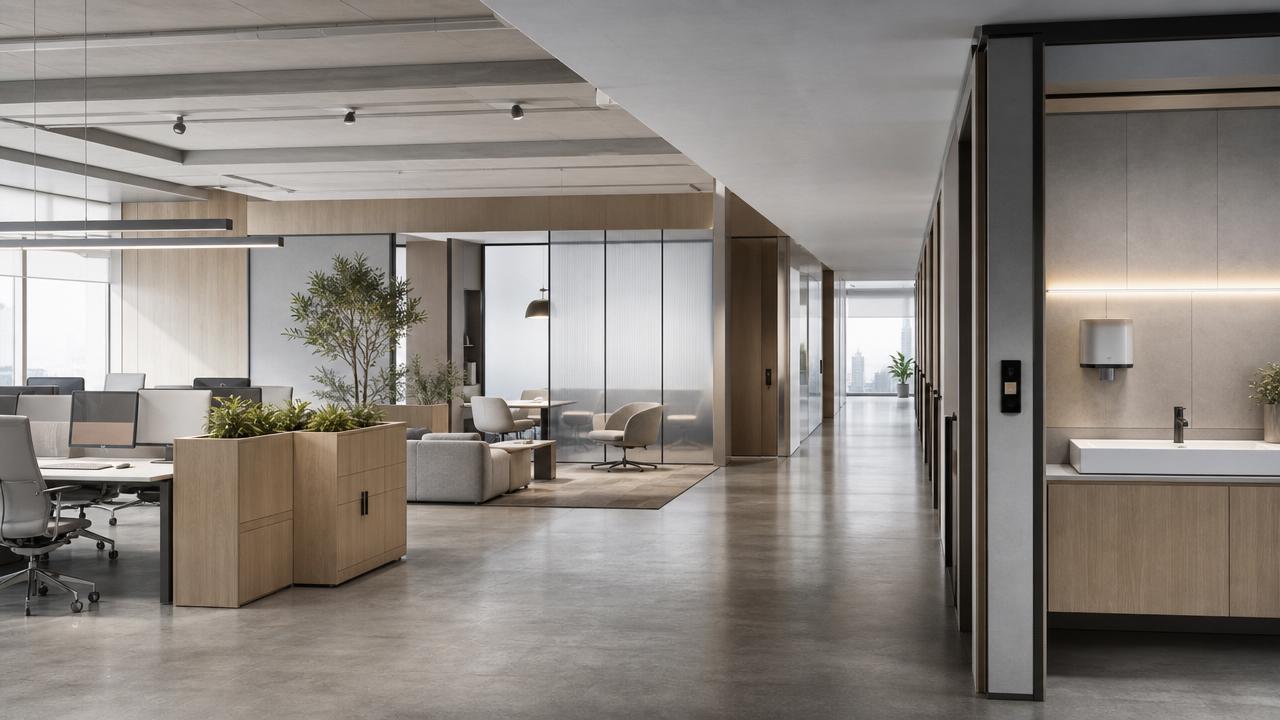
Commercial space evolution is reshaping what tenants value most—from flexible layouts and smarter amenities to healthier, more sustainable environments. For business decision-makers, understanding these shifts is essential to staying competitive, optimizing asset performance, and meeting rising expectations across modern workplaces, retail, and mixed-use developments.
For landlords, developers, manufacturers, and project teams, the shift is no longer theoretical. Tenant expectations now influence fit-out budgets, leasing velocity, material selection, and building system upgrades across office, hospitality, healthcare-adjacent, and retail environments.
The practical question is not whether commercial space evolution is happening, but how quickly decision-makers can align assets with the next 3 to 5 years of demand. That requires a clearer view of layout flexibility, wellness performance, utility efficiency, digital infrastructure, and lifecycle cost.
For GIAM’s audience, this topic also connects directly to material intelligence. Surface durability, water-saving fixtures, anti-bacterial finishes, smart access, and connected kitchen and sanitary systems are no longer peripheral upgrades; in many projects, they are part of core leasing value.
Why commercial space evolution is changing tenant priorities
In the past, tenants often evaluated commercial property through 3 primary lenses: location, rent, and usable area. Today, that list has expanded to at least 7 factors, including flexibility, energy performance, wellness conditions, digital readiness, maintenance responsiveness, brand image, and future adaptability.
This change is partly driven by shorter business planning cycles. Many occupiers now review space needs every 12 to 36 months rather than every 5 to 10 years. As a result, rigid layouts and outdated infrastructure create faster obsolescence and higher churn risk.
From fixed floorplans to flexible operating environments
Flexible planning has become a central feature of commercial space evolution. Tenants increasingly prefer modular meeting areas, movable partitions, shared collaboration zones, and service cores that support reconfiguration with limited demolition or downtime.
For building owners, this means early design decisions matter. A floorplate that can be divided into 2, 3, or 4 tenancy formats often performs better than one optimized for a single user type. In fit-out terms, raised flooring, adaptable lighting grids, and accessible MEP routes can reduce retrofit disruption by 15% to 30% in typical refurbishment scenarios.
What flexibility means in practice
- Multi-use zones that shift between focus work, client meetings, and team events within the same week
- Furniture and partitions that support reconfiguration in less than 24 to 48 hours
- Service layouts that allow pantry, washroom, or reception upgrades without major structural intervention
- Material choices that withstand higher traffic and more frequent layout changes over a 7 to 10 year lease cycle
Health, hygiene, and indoor confidence now influence leasing decisions
Another major feature of commercial space evolution is the rise of health-focused specification. Tenants are paying closer attention to air quality, touchpoint hygiene, cleaning efficiency, moisture control, and washroom performance, especially in high-density and customer-facing assets.
This has elevated demand for anti-bacterial surfaces, low-porosity materials, sensor-based fixtures, and easier-to-maintain sanitary spaces. In many commercial settings, washrooms and pantry areas now function as visible signals of management quality rather than back-of-house utilities.
The table below highlights how tenant expectations have moved from traditional leasing criteria toward more performance-driven requirements across modern commercial assets.
The key takeaway is that commercial space evolution is turning space from a static asset into an operating platform. Tenants increasingly compare buildings not only by rent per square meter, but by how well the environment supports productivity, hygiene, utility control, and brand positioning.
What tenant demand means for materials, systems, and fit-out strategy
As commercial space evolution continues, tenant needs are flowing downstream into technical specifications. Procurement teams are under pressure to balance visual quality with durability, carbon considerations, water efficiency, digital compatibility, and manageable maintenance intervals.
This matters most in high-touch zones such as entrances, washrooms, smart kitchen areas, corridor intersections, and shared amenities. These are often the first areas users notice and the first areas managers must maintain at scale.
Material selection is now tied to operational outcomes
A premium-looking material that requires intensive cleaning every 6 hours may cost more over 24 months than a better-engineered finish with higher initial pricing. In the same way, low-grade fixtures that need replacement within 18 to 24 months can undermine both service consistency and tenant perception.
Decision-makers should evaluate at least 4 dimensions when selecting core interior components: durability, hygiene performance, resource efficiency, and integration with smart controls. In GIAM’s coverage areas, that includes tiles, sanitary ware, faucets, smart locks, and kitchen systems used in commercial-grade environments.
Priority specification areas
- Surfaces with low water absorption and strong resistance to staining or chemical cleaners
- Water fixtures designed to reduce consumption without compromising pressure stability
- Smart access systems that support audit trails, remote permission control, and easier turnover management
- Kitchen and pantry equipment with predictable service intervals and replaceable components
- Assemblies that simplify maintenance within 2 to 6 hour service windows instead of requiring area shutdowns
Why sanitary and kitchen spaces matter more than before
In modern commercial environments, sanitary spaces and shared kitchen zones are no longer secondary facilities. They directly affect employee satisfaction, visitor perception, cleaning labor, water bills, and tenant retention. In mixed-use projects, they also influence the building’s overall market identity.
A washroom upgrade may include touchless faucets, anti-slip surfaces, anti-bacterial wall finishes, and better drainage detailing. A pantry or smart kitchen refresh may involve sensor-enabled appliances, easier sanitation workflows, and storage layouts that reduce congestion during peak 15 to 30 minute usage periods.
The following table provides a practical framework for comparing specification priorities in commercial space evolution projects, especially when balancing tenant expectations with lifecycle discipline.
The best procurement decisions in commercial space evolution are rarely about the lowest purchase price. They come from matching occupancy patterns, cleaning regimes, replacement cycles, and performance expectations to the right product category from the start.
How decision-makers should respond to commercial space evolution
A disciplined response begins with portfolio segmentation. Not every asset requires the same level of investment, but every asset should be reviewed against current tenant demand. A practical framework is to assess each building across 5 categories: flexibility, wellness, utilities, digital readiness, and finish quality.
From there, decision-makers can prioritize upgrades by lease timing, vacancy exposure, market positioning, and infrastructure constraints. In many cases, targeted interventions deliver better returns than full redevelopment, especially when executed within 1 to 3 capital planning cycles.
A 4-step assessment model for owners and occupiers
- Audit current tenant pain points, including circulation, washroom complaints, pantry congestion, and maintenance delays
- Map asset gaps against target occupier profiles, such as premium office users, healthcare-related tenants, or mixed-use retail operators
- Prioritize upgrades with the strongest operational impact in the next 6 to 18 months
- Build procurement criteria around lifecycle value, compliance readiness, and serviceability rather than upfront cost alone
Common mistakes that slow adaptation
One frequent mistake is treating commercial space evolution as a design trend rather than an operating shift. This can lead to cosmetic upgrades without improving ventilation support, fixture durability, cleaning efficiency, or utility control.
A second mistake is isolating materials from management strategy. If the operations team cannot source spare parts within 7 to 14 days, or if the cleaning protocol damages the selected finish, the specification decision was incomplete.
A third mistake is underestimating the tenant experience of shared infrastructure. Reception access, common washrooms, and breakout kitchens may account for a small share of floor area, but they shape a disproportionate share of daily user perception.
Questions procurement teams should ask suppliers
- What is the recommended maintenance cycle for this product in medium- or high-traffic commercial use?
- Does the product support easier cleaning, lower water use, or reduced touchpoint exposure?
- Are replacement parts and technical support available within defined service windows?
- How does the product perform under frequent turnover, peak occupancy, and varied cleaning chemicals?
- Can the specification support future upgrades without replacing the whole system?
Why intelligence matters in a fragmented market
Commercial space evolution is happening alongside changing trade conditions, environmental standards, and technology integration. That creates a more fragmented procurement environment, where regional supply, regulatory shifts, and system compatibility can all affect project viability.
This is where an intelligence-led approach becomes valuable. GIAM’s focus on building materials, sanitary spaces, smart kitchen and bath systems, and commercial market signals helps decision-makers connect design intent with sourcing reality. Instead of reacting late, teams can monitor category shifts, compare solution paths, and plan with better timing.
Turning evolving tenant needs into a stronger commercial strategy
The long-term lesson of commercial space evolution is clear: tenant needs are becoming more specific, more measurable, and more linked to operational performance. Space must work harder, adapt faster, and communicate higher standards through every visible and functional detail.
For enterprise decision-makers, the opportunity is to align property strategy, fit-out planning, and product selection before demand gaps widen. Buildings that support flexible use, healthier environments, smarter amenities, and efficient maintenance are better positioned to defend value in a more selective market.
GIAM supports that process by translating material innovation, sanitary system upgrades, smart access trends, and commercial sourcing intelligence into actionable guidance. If you are evaluating upgrades, refining procurement standards, or planning future-ready commercial projects, now is the time to move from observation to execution.
Contact us to explore tailored insights, discuss product selection criteria, or learn more solutions for commercial space evolution in your next development, renovation, or portfolio strategy.
Industry Briefing
Get the top 5 industry headlines delivered to your inbox every morning.