How hygienic architectural solutions reduce safety risks
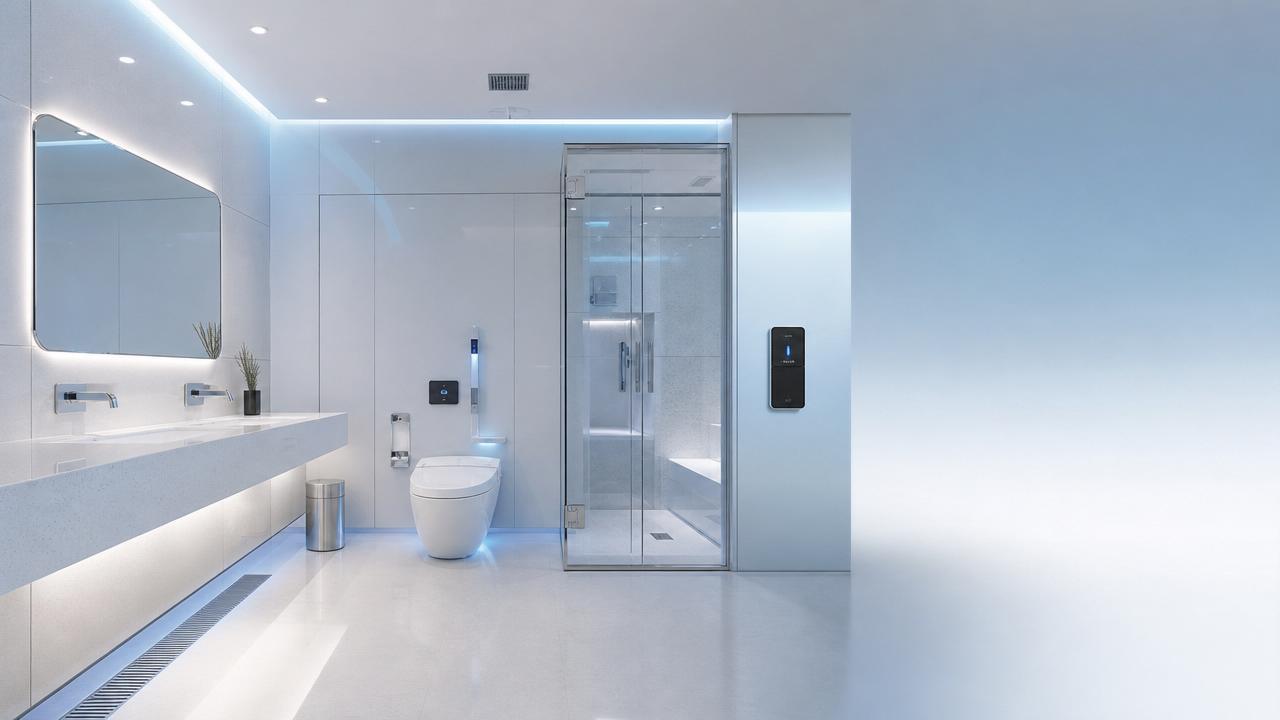
For quality control and safety managers, hygienic architectural solutions are no longer optional—they are a practical strategy for reducing contamination, improving compliance, and lowering operational risk. From anti-bacterial surfaces to water-efficient sanitary systems and smart access controls, these measures help create safer, more resilient spaces across residential and commercial environments.
Why checklist-based decisions matter for hygienic architectural solutions
Safety failures in buildings rarely come from one dramatic defect. They often grow from small design gaps, difficult-to-clean surfaces, poor moisture control, or weak user flow planning.
A checklist approach makes hygienic architectural solutions easier to evaluate. It turns broad design intent into verifiable actions, helping teams compare materials, installations, maintenance demands, and long-term safety impact.
This is especially useful in a cross-sector market shaped by stricter hygiene expectations, sustainability targets, and digital building management. Clear review points reduce guesswork and support consistent execution.
Core checklist: how to assess hygienic architectural solutions
- Select non-porous finishes that resist staining, microbial growth, and repeated cleaning, especially in wet zones, touchpoints, food-related spaces, and high-traffic circulation areas.
- Specify seamless or low-joint surface systems to limit dirt traps, reduce water ingress, and simplify sanitation routines in walls, floors, counters, and transition details.
- Control moisture at the design stage by coordinating waterproofing, drainage slopes, vapor barriers, and ventilation paths before interior finish installation begins.
- Use anti-bacterial or easy-clean materials only when test data, wear resistance, and maintenance requirements match the actual operating conditions of the project.
- Separate clean and dirty circulation routes where possible to reduce cross-contamination risk in entrances, wash areas, storage points, service zones, and utility rooms.
- Install touch-reducing fixtures such as sensor faucets, automatic flush systems, and hands-free doors to lower contact frequency and improve user confidence.
- Verify that sanitary fittings support water efficiency without weakening rinse performance, odor control, or cleaning effectiveness during normal use and peak occupancy.
- Integrate smart access controls in sensitive areas to manage movement, support traceability, and limit unnecessary entry into hygiene-critical spaces.
- Check chemical compatibility between cleaning agents and installed surfaces so frequent disinfection does not cause cracking, discoloration, or coating failure.
- Review maintenance access early, ensuring drains, valves, service voids, and concealed systems can be inspected and repaired without damaging hygienic finishes.
- Confirm compliance with local building, water, fire, and health standards, including documentation for performance claims used in hygienic architectural solutions.
- Measure lifecycle value rather than purchase price alone, because durable hygienic architectural solutions often reduce cleaning labor, downtime, replacement frequency, and safety incidents.
How hygienic architectural solutions reduce safety risks in key scenarios
Residential buildings
In homes, moisture and touchpoints create the biggest hidden risks. Bathrooms, kitchens, entry areas, and laundry spaces can become sources of mold, slips, odors, and bacterial buildup.
Hygienic architectural solutions in residential projects should focus on slip-resistant flooring, sealed joints, anti-bacterial countertops, efficient drainage, and low-contact sanitary hardware. These decisions improve daily safety while reducing maintenance burdens over time.
Commercial offices and mixed-use properties
Shared amenities in offices and mixed-use buildings experience repeated use by diverse occupants. Restrooms, break rooms, lobbies, and shared kitchenettes need finishes that remain hygienic under constant cleaning cycles.
Here, hygienic architectural solutions should balance appearance, durability, and operational control. Touchless fixtures, cleanable wall systems, and smart entry tools can lower contamination exposure while supporting a modern user experience.
Hospitality and retail environments
Hotels, restaurants, and retail sites face direct reputation risk when hygiene failures become visible. Surface wear, poor restroom planning, and difficult cleaning details can quickly affect customer trust.
In these spaces, hygienic design should emphasize stain resistance, odor management, easy access for cleaning crews, and fixture reliability. Well-chosen hygienic architectural solutions help maintain safety standards without sacrificing interior quality.
Healthcare-adjacent and wellness spaces
Clinics, senior living areas, spas, and rehabilitation spaces require higher hygiene discipline. The design must support infection control, safe movement, and frequent sanitation.
For these uses, hygienic architectural solutions should include coved floor transitions, anti-microbial surfaces with verified performance, robust drainage planning, and controlled access in restricted rooms.
Common oversights that weaken hygienic architectural solutions
Ignoring joints and edge details
Even strong materials fail hygienically when corners, sealants, trims, and penetrations are poorly resolved. These micro-areas often collect moisture, debris, and cleaning residue.
Overvaluing product claims
Marketing language can overstate anti-bacterial performance. Reliable hygienic architectural solutions require evidence on abrasion resistance, chemical tolerance, and real maintenance conditions.
Separating design from operations
A surface may look cleanable on paper but become impractical once cleaning teams, replacement cycles, and service access are considered. Operational input should shape design choices early.
Neglecting water behavior
Poor slope design, splash zones, condensation points, and hidden leaks create long-term safety hazards. Water management is central to all effective hygienic architectural solutions.
Missing digital control opportunities
Smart locks, occupancy monitoring, and sensor-based fixtures are not only convenience tools. They can reduce contact events, improve access discipline, and support maintenance timing.
Practical steps for implementation
- Map high-risk zones first, including wet rooms, food-contact areas, public restrooms, and frequently touched surfaces.
- Build a material review matrix covering porosity, cleanability, slip resistance, durability, and certification status.
- Coordinate architects, MEP specialists, and facility operations before locking in finish schedules and sanitary systems.
- Request mock-ups for joints, floor drains, wall terminations, and touchless fixture installation details.
- Test maintenance procedures using actual cleaning agents, actual labor routines, and expected occupancy intensity.
- Track lifecycle performance after handover to refine future hygienic architectural solutions with real building data.
Conclusion and next actions
The strongest hygienic architectural solutions do more than make spaces look clean. They reduce contamination pathways, improve user safety, support regulatory alignment, and protect long-term asset value.
Start with a checklist, verify every material claim, and focus on moisture, touchpoints, circulation, and maintainability. That process turns hygiene from a design preference into a measurable safety strategy.
In a market shaped by smarter living standards, green materials, and performance-led interiors, better architectural hygiene decisions create safer buildings and more resilient project outcomes.
Industry Briefing
Get the top 5 industry headlines delivered to your inbox every morning.