How restaurants benefit from smarter kitchen appliances
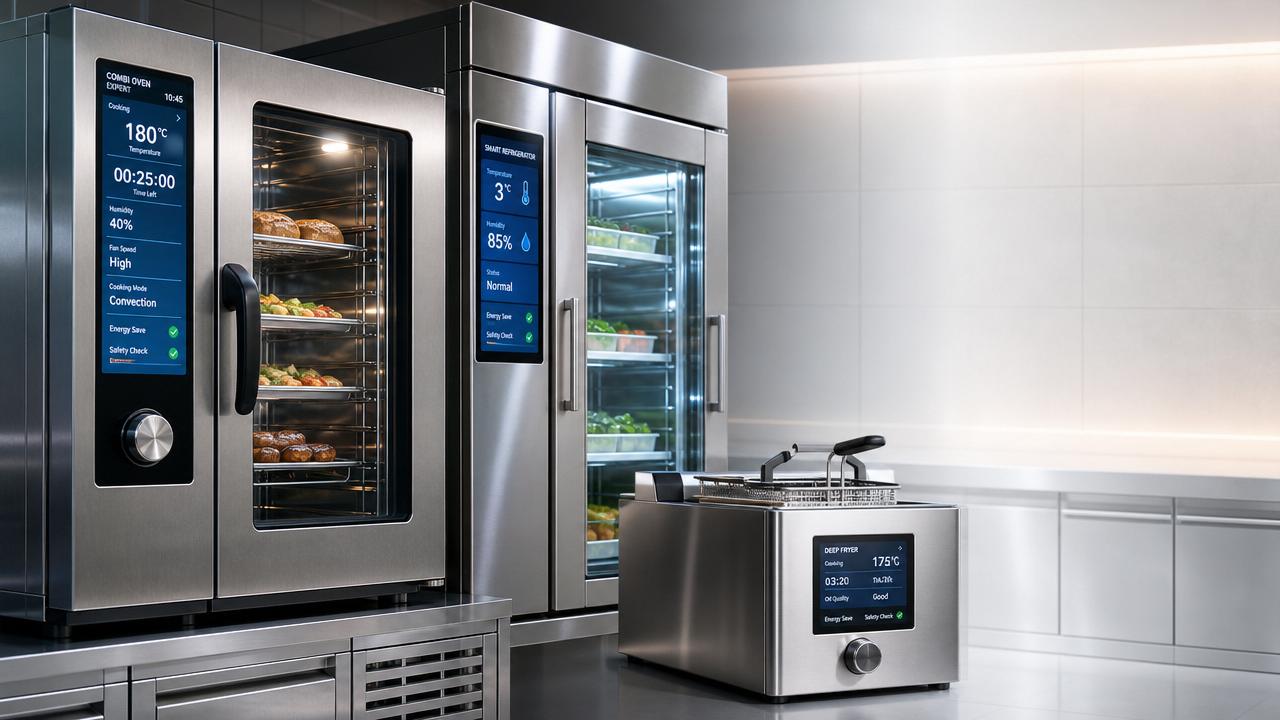
In today’s fast-paced food service environment, smart kitchen appliances for restaurants are becoming essential tools for improving speed, consistency, and energy efficiency. From streamlining daily operations to reducing waste and supporting safer food preparation, these technologies help kitchen staff work smarter under pressure. For operators seeking better performance and long-term cost control, understanding the value of intelligent equipment is the first step toward a more competitive kitchen.
Understanding smart kitchen appliances for restaurants
Smart kitchen appliances for restaurants are connected, programmable, and data-aware devices used in commercial food preparation spaces.
They include ovens, refrigerators, fryers, dishwashers, holding cabinets, ventilation systems, and beverage machines with digital controls.
Unlike traditional equipment, they can automate settings, monitor performance, and report operating data in real time.
Many smart kitchen appliances for restaurants also connect with cloud dashboards, maintenance alerts, and kitchen management software.
This matters because restaurant kitchens face rising labor pressure, stricter hygiene expectations, and growing energy costs.
In that environment, intelligent equipment supports repeatable output, faster training, and more predictable kitchen performance.
Current industry signals shaping equipment choices
Across hospitality, retail dining, institutional catering, and mixed-use commercial spaces, equipment decisions are becoming more strategic.
GIAM closely tracks how material innovation, sanitation standards, and intelligent systems are reshaping interior and kitchen environments.
For food service spaces, several signals explain the rising interest in smart kitchen appliances for restaurants.
- Energy regulations are pushing kitchens toward better monitoring and lower peak consumption.
- Labor shortages are increasing demand for simpler workflows and guided cooking systems.
- Food safety compliance now depends more on traceable temperature and cleaning records.
- Urban kitchens often have tighter footprints, requiring multi-function and space-saving equipment.
- Customer expectations favor speed, consistency, and visible hygiene in open kitchen environments.
Operational value in daily kitchen performance
The main benefit of smart kitchen appliances for restaurants is better control over repetitive, high-pressure tasks.
Speed and workflow stability
Programmable cooking cycles reduce manual adjustments during rush periods and keep production moving with fewer interruptions.
Connected holding systems also help coordinate timing between prep stations, pickup zones, and delivery orders.
Consistency across shifts
Preset temperatures, timers, and humidity controls support the same output, even when staffing levels change.
This is especially useful for chain operations, hotel kitchens, campus dining, and multi-location food service formats.
Energy and utility efficiency
Smart kitchen appliances for restaurants can reduce unnecessary energy use through sleep modes, demand-based ventilation, and cycle optimization.
Water-saving dishwashers and intelligent rinse systems also support sustainability goals without sacrificing sanitation performance.
Food safety and traceability
Automatic logging of cold storage temperatures helps kitchens respond quickly before a minor issue becomes a product loss event.
Digital records can also support inspections, internal audits, and standard operating procedures in regulated environments.
Maintenance visibility
Early warnings for filter replacement, abnormal temperatures, or motor strain allow planned service instead of emergency shutdowns.
That improves asset life and helps avoid costly disruptions during peak business hours.
Typical appliance categories and use cases
Not every kitchen needs the same level of automation. Priorities depend on menu style, volume, layout, and operating hours.
Small kitchens may begin with smart refrigeration or programmable ovens because they address food safety and consistency first.
Larger operations may benefit more from integrated systems linking cooking, ventilation, dishwashing, and energy management.
Business significance beyond the kitchen line
Smart kitchen appliances for restaurants influence more than cooking results. They also shape financial planning and spatial decision-making.
Reliable data helps compare actual equipment usage against menu demand, staffing patterns, and utility peaks.
That makes capital planning more evidence-based, especially during renovations, format upgrades, or expansion into new locations.
For commercial interiors, appliance intelligence also supports cleaner layouts, lower heat loads, and more adaptable back-of-house design.
GIAM’s broader view of smart space evolution shows that equipment, materials, hygiene, and energy systems now work as one ecosystem.
This integrated approach is increasingly important in hospitality projects, mixed-use properties, healthcare dining, and institutional facilities.
Practical considerations before adoption
The value of smart kitchen appliances for restaurants depends on fit, not just features.
- Map pain points first, such as waste, slow ticket times, or refrigeration risk.
- Check whether the appliance integrates with existing software or building systems.
- Review cleaning demands, replacement parts, and service network availability.
- Assess digital usability so staff can follow workflows without confusion.
- Calculate ownership cost, including utilities, downtime, maintenance, and training.
Cybersecurity and data access should not be ignored when equipment connects to cloud platforms or mobile dashboards.
It is also important to avoid over-automation in kitchens where menus change daily and manual flexibility remains essential.
A practical next step for more resilient kitchens
A sensible starting point is a focused audit of high-cost or high-risk stations.
Review refrigeration losses, peak-hour bottlenecks, oil usage, dishwashing loads, and energy spikes before choosing new equipment.
Then prioritize smart kitchen appliances for restaurants that deliver measurable gains within those specific areas.
When selected carefully, intelligent appliances support safer production, steadier output, and stronger long-term operating control.
For businesses tracking the future of smart spaces, GIAM offers a useful lens on how kitchen systems connect with broader construction, sustainability, and interior intelligence trends.
Industry Briefing
Get the top 5 industry headlines delivered to your inbox every morning.