
How to compare sustainable construction materials wisely
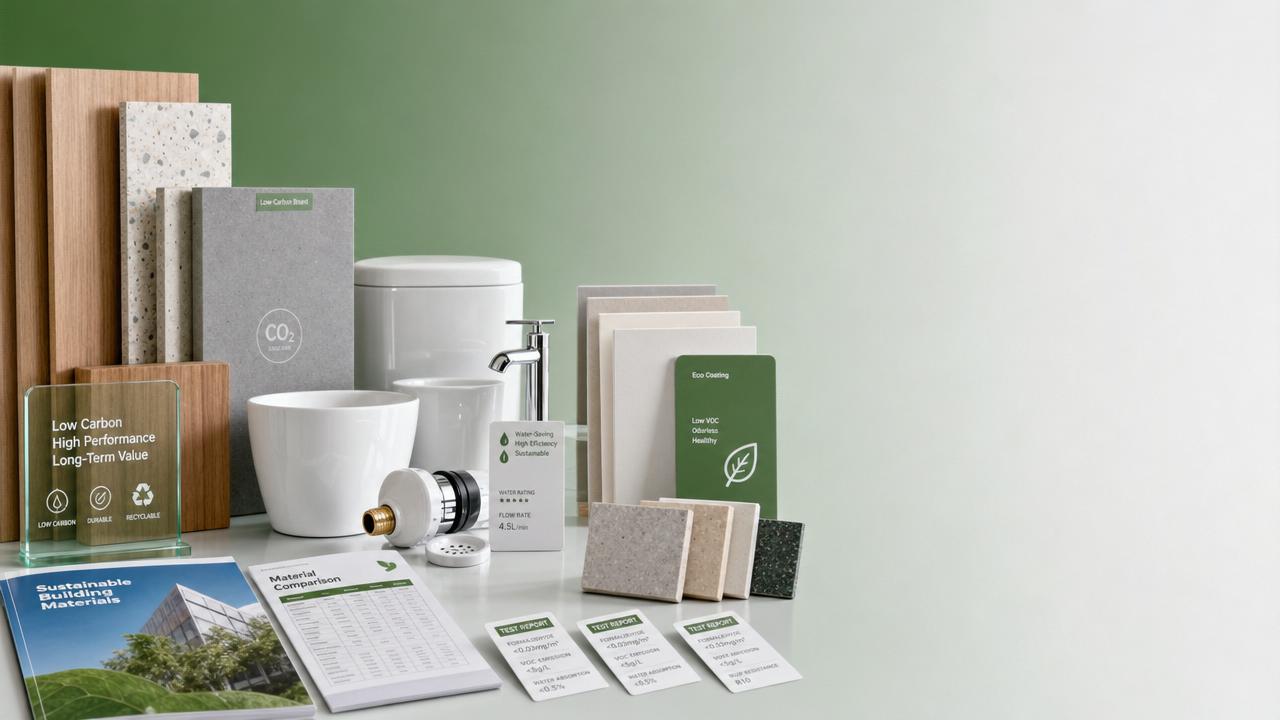
Choosing sustainable construction materials is no longer a symbolic green move. It now shapes cost stability, compliance readiness, asset quality, and long-term commercial positioning.
Across global construction and interior markets, material decisions are being reviewed through a wider lens. Buyers must compare carbon impact, technical performance, supply continuity, and future standards at the same time.
This shift matters in residential projects, hospitality spaces, offices, retail, healthcare, and public infrastructure. A wise comparison method reduces hidden risk and improves lifecycle value.
For GIAM, this reflects a deeper industry transition. Building products are no longer assessed only by appearance or unit price, but by how well they support safer, smarter, lower-carbon spaces.
Why sustainable construction materials are being compared more rigorously now
The market for sustainable construction materials has matured. More options exist, but more options also create confusion, inconsistent claims, and uneven quality.
At the same time, energy rules, embodied carbon targets, indoor health expectations, and project certification systems are becoming stricter. Material comparison must therefore be evidence-based.
Another signal is the rise of integrated decision-making. Teams now evaluate finishes, insulation, boards, adhesives, sanitary products, and smart systems as part of one sustainability strategy.
This means sustainable construction materials are increasingly judged by performance in use, maintenance demand, recyclability, and data transparency, not just eco-label language.
The strongest trend signals shaping material comparison
Several signals explain why the comparison process is changing so quickly across the broader construction value chain.
- Embodied carbon reporting is moving from optional disclosure to practical project requirement.
- Green building frameworks increasingly reward measurable lifecycle performance.
- Interior health concerns are raising demand for low-VOC and anti-bacterial surfaces.
- Water-saving and energy-saving standards are influencing kitchens, baths, and utility spaces.
- Trade volatility makes local sourcing, lead time resilience, and tariff exposure more important.
- Digital specification platforms make product data easier to compare and harder to hide.
As these signals strengthen, the best sustainable construction materials are not always the newest. They are the ones with verified data and reliable project fit.
What is driving the shift toward smarter comparison
These drivers show why comparing sustainable construction materials now requires both technical and commercial judgment. Environmental value alone is not enough.
How the comparison criteria are evolving across materials categories
Different categories need different comparison lenses. A recycled tile, a wood panel, and a low-flow fixture cannot be judged by one simple score.
Structural and envelope materials
Concrete alternatives, engineered timber, insulation, and facade systems are now assessed for embodied carbon, thermal efficiency, durability, and fire compliance together.
Interior finishing materials
Flooring, coatings, boards, sealants, and surfaces must be compared for VOC levels, maintenance cycles, wear resistance, and end-of-life recovery potential.
Kitchen, bath, and sanitary systems
Here, sustainable construction materials also intersect with water use, anti-bacterial performance, hardware durability, and compatibility with smart controls.
Hybrid systems and assemblies
Materials rarely perform alone. Adhesives, substrates, coatings, and fixtures influence one another. Wise comparison considers the whole assembly, not isolated claims.
The business impact of choosing sustainable construction materials wisely
Better comparison methods influence more than sustainability scores. They affect project economics, delivery confidence, and brand trust across the built environment.
When sustainable construction materials are selected with verified criteria, rework risk drops. Maintenance intervals may extend. Regulatory surprises become less likely.
For commercial spaces, this can support tenant appeal, ESG reporting quality, and stronger asset positioning. For residential use, it can improve comfort, health, and operating efficiency.
- Lower exposure to greenwashing and unsupported environmental claims.
- Higher confidence in specification consistency across regions.
- Improved alignment between design intent and real-world performance.
- Greater resilience against supply disruption and price shocks.
What deserves the closest attention during evaluation
A practical review framework helps compare sustainable construction materials without missing critical details.
- Verified documentation: Check EPDs, HPDs, test reports, certifications, and compliance declarations.
- Lifecycle cost: Compare installation, replacement frequency, maintenance, cleaning, and disposal cost.
- Performance fit: Match the material to humidity, abrasion, load, sanitation, and climate conditions.
- Supply stability: Review source region, lead time, capacity, and tariff sensitivity.
- Health profile: Assess emissions, surface hygiene, and chemical restrictions.
- End-of-life pathway: Determine reuse, recycling, take-back, or landfill probability.
- System compatibility: Confirm fit with adjacent materials and smart building systems.
This approach creates a more balanced view of sustainable construction materials than a simple eco-label comparison.
A practical comparison model for the next decision cycle
Using a repeatable model helps teams compare sustainable construction materials with less bias and stronger long-term consistency.
Where market intelligence creates better material choices
Reliable decisions depend on current intelligence. Standards, tariffs, technology upgrades, and regional demand can change the value equation quickly.
This is where GIAM’s intelligence model becomes useful. High-authority tracking of material science, sanitary innovation, and smart space evolution helps clarify which options are truly advancing.
Instead of comparing products only by brochure language, decision-makers can monitor trend shifts in anti-bacterial materials, water-saving systems, and premium low-carbon finishes.
That wider view leads to better judgments on sustainable construction materials, especially when project needs, compliance pressure, and market timing must align.
The next move: compare sustainable construction materials with evidence, not assumptions
The smartest material decisions now come from structured comparison. Focus on verified performance, lifecycle cost, health impact, supply resilience, and future compliance.
Do not treat sustainable construction materials as a narrow environmental category. Treat them as a strategic foundation for safer, smarter, and more competitive spaces.
Build a comparison checklist. Review supplier evidence regularly. Track market signals that influence standards, technology, and pricing. Small improvements in evaluation can create major gains over time.
For ongoing clarity, use GIAM’s intelligence perspective to follow material innovation, spatial evolution, and changing global expectations. Better insight makes every next specification stronger.
Industry Briefing
Get the top 5 industry headlines delivered to your inbox every morning.