What industrial material science reveals about durability
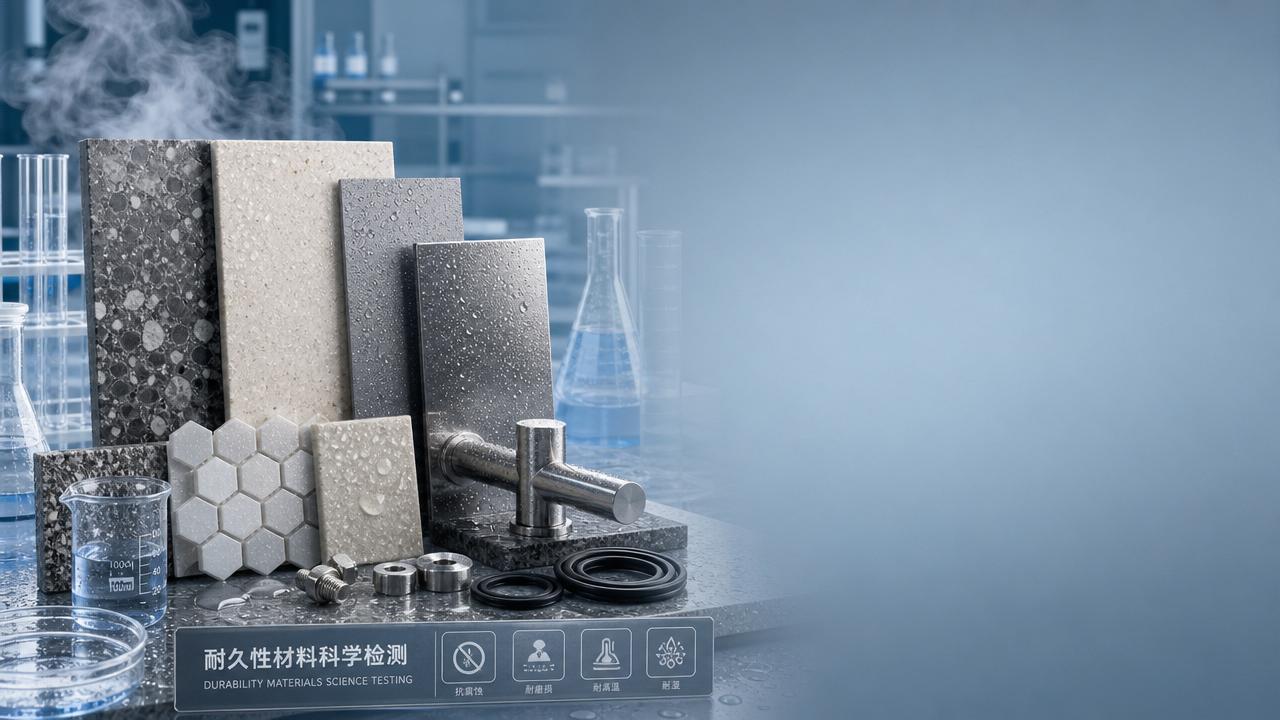
For procurement professionals, industrial material science explains why some products age slowly while others fail early. It connects laboratory performance with real construction outcomes.
In building materials, sanitary spaces, and smart kitchen systems, durability is never accidental. It is designed through chemistry, structure, coatings, testing, installation control, and lifecycle maintenance.
This makes industrial material science highly relevant across the broader construction and interiors sector. It helps compare options, reduce defects, support compliance, and protect long-term asset value.
For GIAM’s intelligence-driven view of spatial evolution, durability is also strategic. It influences carbon reduction, replacement frequency, maintenance planning, and trust in premium architectural specifications.
Understanding what industrial material science means for durability
Industrial material science studies how materials behave under stress, moisture, heat, chemicals, impact, and time. In practice, it reveals how durability is built into products before installation begins.
Durability is not only hardness or thickness. It includes dimensional stability, corrosion resistance, fatigue behavior, stain resistance, microbial control, and performance consistency across repeated use cycles.
In interior and architectural systems, this science applies to ceramics, engineered stone, stainless steel, brass, polymers, glass, sealants, composites, and smart device housings.
A durable surface may resist scratching, but still fail under humidity. A strong metal may hold loads, yet degrade through galvanic corrosion. Industrial material science helps identify these trade-offs early.
Core durability variables
- Mechanical strength under load, impact, and repetitive use
- Moisture behavior, absorption rate, and swelling tendency
- Chemical resistance to cleaners, salts, oils, and acidic agents
- Thermal stability during temperature shifts and heat exposure
- Surface wear, stain retention, and coating adhesion
- Compatibility between materials inside one assembled system
Why durability is receiving stronger industry attention
The built environment now faces tighter performance expectations. Projects must last longer, consume fewer resources, and meet stricter standards on hygiene, water use, energy efficiency, and safety.
At the same time, buildings contain more complex interfaces. Wet zones, smart fixtures, coated hardware, modular assemblies, and mixed materials increase the risk of hidden failure points.
Industrial material science becomes a decision tool under these conditions. It turns durability from a vague quality claim into a measurable procurement and specification criterion.
How industrial material science improves business decisions
The business value of industrial material science lies in better prediction. It helps determine which products will remain stable under real operating conditions, not just in showroom presentations.
That matters across the comprehensive industry landscape. Developers, specifiers, distributors, contractors, and facility teams all depend on materials that perform consistently over time.
Key decision benefits
- Lower lifecycle cost through fewer repairs and replacements
- Reduced risk of water damage, corrosion, and finish failure
- Stronger support for premium specifications and project warranties
- Better alignment with green building and durability compliance goals
- Improved product matching across tiles, fixtures, substrates, and accessories
In GIAM’s focus areas, industrial material science also supports commercial intelligence. It clarifies where demand is shifting toward anti-bacterial surfaces, water-saving systems, and more durable smart fittings.
This is especially important when price competition is intense. A lower upfront quote can become expensive if material degradation causes callbacks, customer claims, or shortened renovation cycles.
Typical durability concerns across material categories
Different products fail for different reasons. Industrial material science helps classify likely risks by material type and application environment.
Where industrial material science is most visible in real projects
Durability questions become more urgent in environments with water, cleaning chemicals, repeated touch, temperature change, or public traffic. These are common across modern building portfolios.
Representative application scenarios
- Bathrooms requiring anti-corrosion hardware and low-absorption surfaces
- Commercial kitchens needing heat resistance, hygienic finishes, and impact tolerance
- Hospitality projects balancing visual quality with intensive cleaning cycles
- Residential upgrades where long-term maintenance cost matters more than initial appearance
- Public and mixed-use facilities exposed to heavy footfall and frequent contact
In each scenario, industrial material science guides better product pairing. A durable assembly depends on the weakest interface as much as on the strongest visible component.
For example, high-grade tiles can underperform if the adhesive, grout, or waterproof layer lacks matching durability. The same logic applies to faucets, cabinetry, hinges, sensors, and mounting parts.
Practical evaluation methods before final selection
Industrial material science is most useful when translated into a repeatable review process. Decision quality improves when teams compare evidence, not isolated claims.
A practical checklist
- Define the exposure profile: water, heat, abrasion, chemicals, UV, or impact.
- Request relevant test reports, not just general product brochures.
- Check whether laboratory methods reflect actual installation conditions.
- Review material compatibility across the full system assembly.
- Compare lifecycle cost, maintenance intensity, and replacement intervals.
- Confirm supply consistency, batch control, and standards compliance.
It is also useful to separate cosmetic aging from structural decline. Some finishes lose visual sharpness before performance drops, while other failures remain hidden until damage becomes severe.
This is why industrial material science should include both visible and invisible risks. Moisture ingress, internal corrosion, seal fatigue, and microcracking often begin before users notice them.
Common specification mistakes and how to avoid them
Several durability problems arise from incomplete interpretation rather than poor products alone. Industrial material science helps expose these weak points early.
- Choosing by surface appearance without checking substrate behavior
- Using indoor test data for aggressive commercial environments
- Ignoring cleaning chemistry when selecting coatings or polymers
- Assuming thicker always means more durable
- Overlooking hardware, joints, seals, and edge conditions
Avoidance starts with better questions. Which failure mode is most likely here? Which standard proves resistance? Which component has the shortest expected service life?
A durable next step for evidence-based selection
Industrial material science offers a practical lens for evaluating durability across architecture, interiors, sanitary spaces, and smart living systems. It turns material choice into a more strategic decision.
For organizations tracking global trends, standards, and product evolution, this approach supports safer specifications and stronger long-term value. It also aligns with lower waste and better building performance.
Use industrial material science as a screening framework in upcoming evaluations. Review test evidence, map exposure risks, compare lifecycle outcomes, and prioritize assemblies designed to last.
That is where durable quality becomes measurable, defendable, and commercially relevant across the modern built environment.
Industry Briefing
Get the top 5 industry headlines delivered to your inbox every morning.