Global urbanization is reshaping building choices
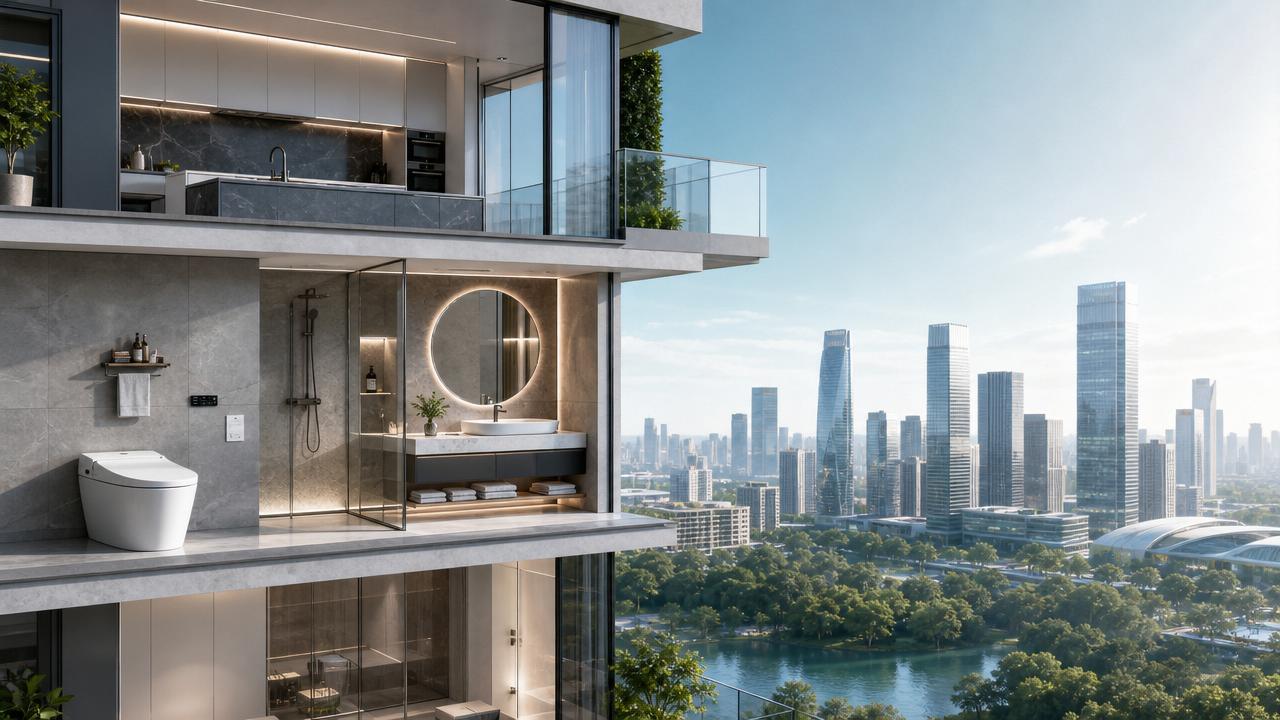
Global urbanization is accelerating a decisive shift in how enterprises evaluate building choices, from material durability and energy performance to smart living integration and long-term asset value.
The challenge is no longer simply selecting products, but aligning construction strategies with evolving urban demand, sustainability standards, and premium space expectations.
As cities expand and commercial environments become more intelligent, insight into materials, sanitary systems, and smart kitchen and bath solutions can define competitive advantage.
What does global urbanization mean for building choices?
Global urbanization means more than population movement into cities. It changes how buildings are planned, valued, maintained, and upgraded across dense spatial systems.
In fast-growing cities, buildings must serve more users, withstand heavier utility pressure, and meet stricter environmental expectations over longer operating cycles.
This makes global urbanization a practical decision factor for core materials, water systems, sanitary spaces, kitchens, access control, and interior intelligence.
The Global Interior & Architectural Matrix, GIAM, observes these shifts through intelligence on building materials, smart living systems, and commercial space evolution.
Its Strategic Intelligence Center connects material science, hydraulic design, and industrial economics into one decision framework for spatial transformation.
Under global urbanization, a tile, faucet, smart lock, cabinet, or drainage system becomes part of a wider urban performance equation.
- Materials must resist wear, moisture, pollution, and frequent cleaning.
- Sanitary systems must reduce water waste and improve hygiene.
- Smart kitchens must support energy awareness and user safety.
- Commercial interiors must balance aesthetics, compliance, and lifecycle cost.
For this reason, global urbanization pushes building choices from isolated procurement toward integrated, data-informed spatial strategies.
Why is global urbanization changing material priorities?
Global urbanization increases the intensity of building use. High-density residential towers, hotels, transit facilities, hospitals, and offices face continuous performance pressure.
Materials selected only for upfront appearance often fail to protect long-term asset value in crowded, humid, or energy-sensitive environments.
Durability now includes abrasion resistance, stain resistance, repairability, acoustic comfort, thermal contribution, and compatibility with healthier indoor environments.
Global urbanization also strengthens the need for low-carbon construction. Energy-saving standards, green building codes, and tariff shifts affect material competitiveness.
GIAM tracks these changes through latest sector news and evolutionary trend reports focused on global standards, trade movement, and material innovation.
Anti-bacterial surfaces are a clear example. They answer hygiene expectations in public washrooms, clinics, schools, hospitality spaces, and shared kitchens.
Water-resistant boards, advanced ceramics, recyclable composites, and low-emission adhesives are also becoming stronger choices under global urbanization.
Practical material questions to ask
- Will the material maintain performance under intensive daily use?
- Does it support energy efficiency or indoor environmental quality?
- Can maintenance be handled without frequent replacement?
- Is documentation strong enough for green certification review?
These questions turn global urbanization into a practical filter, not an abstract macroeconomic trend.
How does global urbanization affect sanitary spaces and water systems?
Sanitary spaces reveal the pressure of global urbanization quickly. Dense buildings place heavier demand on water supply, drainage, ventilation, and hygiene control.
Water-saving technologies are no longer optional enhancements. They help reduce operating cost, support compliance, and improve resource resilience in growing cities.
Smart faucets, efficient flushing systems, leak detection, greywater strategies, and sensor-based controls can improve sanitary performance across complex buildings.
Global urbanization also makes sanitary design more connected to health intelligence. Touchless operation and anti-bacterial materials reduce contamination risks.
Hydraulic design expertise is essential because poor coordination can create pressure imbalance, noise, odor, leakage, and expensive retrofits.
GIAM’s intelligence approach links product performance with spatial behavior, helping evaluate sanitary systems beyond simple catalog specifications.
Where sanitary decisions matter most
- High-rise residential buildings with repeated water pressure variation.
- Hotels requiring comfort, hygiene, and predictable maintenance.
- Commercial washrooms with heavy traffic and strict cleaning schedules.
- Healthcare spaces where hygiene and reliability carry higher risk.
In these scenarios, global urbanization rewards systems that save resources while protecting user experience and operational continuity.
What role do smart kitchen and bath systems play in urban buildings?
Smart kitchen and bath systems turn urban interiors into measurable environments. They support comfort, safety, energy awareness, and service efficiency.
Global urbanization accelerates this shift because compact homes and multifunctional commercial spaces need more intelligent control within limited areas.
Smart appliances, connected ventilation, induction cooking, temperature monitoring, and intelligent lighting can improve living quality without expanding floor area.
In bath systems, sensor controls, digital showers, water monitoring, and adaptive mirrors combine hygiene, convenience, and operational insight.
Smart locks also matter under global urbanization. Mixed-use buildings require secure access, flexible occupancy control, and better integration with facility management.
However, smart systems must be selected with compatibility in mind. Isolated devices can create fragmented data, maintenance difficulty, and cybersecurity concerns.
How to judge smart system value
- Check whether the system solves a recurring operational problem.
- Confirm integration with existing electrical and plumbing infrastructure.
- Review data security, service access, and update support.
- Compare lifecycle benefit against installation and maintenance cost.
Global urbanization favors smart systems that improve measurable outcomes, rather than devices added only for visual novelty.
How should enterprises compare green materials, premium finishes, and lifecycle cost?
Global urbanization creates stronger demand for premium building environments, but premium no longer means decorative cost alone.
A premium space must be resilient, efficient, healthy, visually coherent, and adaptable to future standards or tenant expectations.
The wrong comparison method can undervalue long-lasting materials and overvalue low initial prices that generate frequent repair costs.
Lifecycle cost should include procurement, installation, energy use, water use, cleaning, repair, replacement, downtime, compliance risk, and disposal.
Global urbanization makes these hidden factors more important because buildings operate longer, users change faster, and regulations become stricter.
GIAM’s commercial insights support this comparison by scanning demand for premium materials, sanitary systems, and smart kitchen appliances.
The result is a clearer link between product specification, urban demand, and long-term commercial positioning.
What risks arise when building choices ignore global urbanization?
Ignoring global urbanization can cause buildings to age faster than expected. The risk often appears after occupancy, not during design review.
Common mistakes include selecting finishes without maintenance analysis, installing smart devices without integration plans, and choosing sanitary systems without pressure modeling.
Another risk is compliance drift. Energy-saving standards, water regulations, hygiene expectations, and carbon disclosure requirements continue to evolve.
Products that appear acceptable today may become less competitive if documentation, efficiency, or environmental performance is weak.
Global urbanization also increases reputational exposure. Poor material decisions can affect comfort, safety perception, and brand influence in commercial spaces.
Risk warning checklist
- Avoid comparing products only by initial purchase price.
- Avoid smart systems without service and update planning.
- Avoid materials lacking environmental or performance evidence.
- Avoid sanitary layouts that ignore future occupancy pressure.
- Avoid designs that cannot adapt to stricter urban standards.
A safer approach is to combine market intelligence, engineering review, and lifecycle evaluation before specifications become fixed.
FAQ: How can building strategies respond to global urbanization?
Global urbanization requires decisions that balance construction reality with interior aesthetics, safety, intelligence, and environmental responsibility.
The strongest strategies use evidence before selection, not after problems appear in buildings already under pressure.
A practical next step is to audit current specifications against durability, water efficiency, carbon performance, smart compatibility, and lifecycle cost.
GIAM supports that process by stitching authoritative intelligence across building materials, sanitary spaces, and smart kitchen and bath systems.
As global urbanization reshapes construction value chains, informed choices can build stronger foundations and lead spatial intelligence.
- building materials
- sanitary spaces
- bath systems
- commercial space
- interior aesthetics
- anti-bacterial materials
- water-saving technologies
- smart locks
- smart kitchen appliances
- global urbanization
- green materials
- spatial intelligence
- material science
- hydraulic design
- industrial economics
- sector news
- commercial insights
- brand influence
- spatial evolution
- commercial space evolution
Industry Briefing
Get the top 5 industry headlines delivered to your inbox every morning.