
Residential material trends are shifting what buyers expect
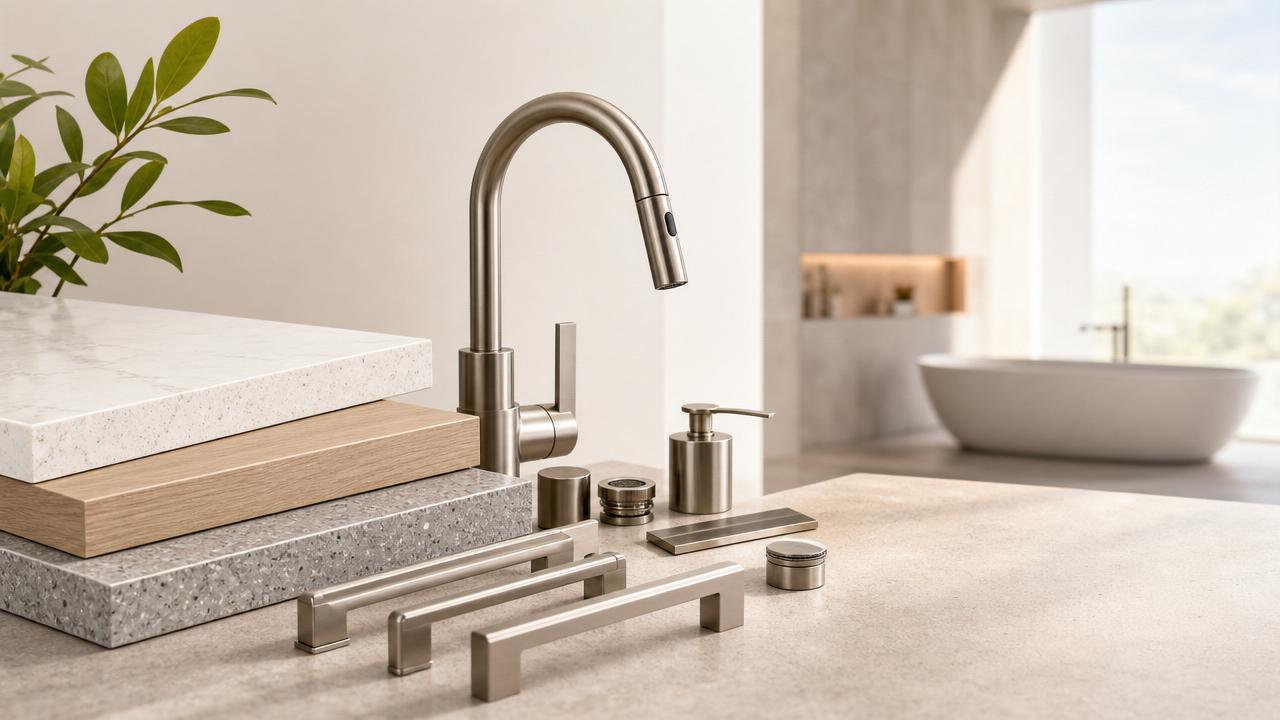
Residential material trends are redefining what buyers expect from modern projects, from sustainable surfaces to smarter kitchen and bath systems. For procurement professionals, staying ahead means understanding how performance, compliance, design appeal, and lifecycle value now shape purchasing decisions. This article explores the shifts influencing global sourcing priorities and how informed material selection can strengthen competitiveness in a rapidly evolving construction market.
Why procurement teams can no longer buy materials the way they did five years ago
The core search intent behind residential material trends is practical, not theoretical. Buyers want to know which materials are gaining priority, why expectations are changing, and how those shifts affect sourcing decisions.
For procurement professionals, the biggest change is that materials are no longer judged only by upfront price, visual finish, or supplier familiarity. They are now evaluated through a wider project-value lens.
Developers, contractors, and end users increasingly expect materials to deliver compliance, durability, sustainability, design relevance, installation efficiency, and better long-term operating outcomes at the same time.
That means procurement teams are under pressure to source products that satisfy multiple stakeholders. A material may look cost-effective on paper, yet become risky if it underperforms on certifications, maintenance, or user expectations.
In residential projects especially, buying decisions are being shaped by a new balance between cost control and perceived future value. Buyers are selecting materials that strengthen marketability as well as functionality.
The overall judgment is clear: residential material trends are moving demand toward smarter, cleaner, more efficient, and more accountable product choices. Procurement teams that respond early gain leverage in pricing, positioning, and project delivery.
What buyers now expect from residential materials
Today’s residential buyer expectations are more layered than before. Procurement teams are being asked to purchase materials that serve technical performance, environmental standards, and emotional appeal in one package.
At the project level, this often translates into five core expectations. Materials should be durable, compliant, resource-efficient, easy to maintain, and aligned with modern interior design preferences.
These expectations are especially visible in surfaces, sanitary spaces, kitchen systems, hardware, and water-related fixtures. Products in these categories are highly visible to occupants and closely tied to everyday user experience.
For example, a countertop is no longer just a surface. It may be expected to resist stains, support hygiene, fit a premium aesthetic, and contribute to sustainability claims in sales materials.
Likewise, bathroom and kitchen fittings are no longer assessed only for basic function. Water efficiency, anti-bacterial performance, sensor integration, and brand trust can all influence selection.
Procurement professionals therefore need to read residential material trends as signals of broader project expectations. When buyer preferences shift, material specifications and supplier evaluation models must shift with them.
The material trends creating the biggest sourcing impact
Among the many residential material trends in the market, a few are having the strongest effect on procurement strategy. These are the trends most likely to influence demand planning, supplier qualification, and bid competitiveness.
The first is sustainability with measurable proof. Buyers increasingly want recycled content, low-emission materials, responsible sourcing, and declarations that support green building goals rather than vague environmental claims.
The second is hygiene-oriented material performance. Anti-bacterial surfaces, easy-clean coatings, moisture-resistant panels, and mold-resistant finishes have gained importance in kitchens, baths, and compact urban housing.
The third is water-saving and energy-conscious systems. In sanitary and kitchen environments, materials are being selected not just for appearance but for how they support lower resource consumption over time.
The fourth is integration with smart living systems. Materials and components that work well with smart locks, touchless fittings, concealed systems, and connected appliances are becoming more relevant in premium and mid-market segments.
The fifth is a move toward balanced aesthetics. Natural textures, warm minimalism, stone-inspired finishes, matte metals, and durable surfaces that mimic luxury materials are increasingly popular because they combine design appeal with cost discipline.
For procurement teams, these trends matter because they reshape not only product preference but supplier value. The vendors best positioned now are those offering evidence, consistency, and adaptability across these trend areas.
How sustainability is changing procurement criteria beyond marketing language
Sustainability is one of the most influential residential material trends, but procurement teams need to separate branding language from purchasing relevance. The real issue is whether sustainability improves project compliance, value, or risk control.
In practical terms, sustainable materials matter when they help a project meet green building standards, reduce embodied carbon, lower waste, improve indoor air quality, or strengthen long-term operating efficiency.
That is why procurement buyers increasingly ask for technical documentation such as environmental product declarations, recycled-content verification, low-VOC compliance, and manufacturing transparency.
These factors affect more than image. They can influence developer positioning, investor confidence, market access, and even eligibility in projects shaped by public policy or institutional sustainability targets.
Still, sustainability should not be treated as a single yes-or-no filter. A product may carry green claims but fail on durability, logistics, or regional compliance, creating hidden cost and implementation risk.
The most effective sourcing approach is to evaluate sustainability alongside lifecycle performance. A material that lasts longer, requires less replacement, and reduces maintenance may create more real value than a cheaper but weaker alternative.
Procurement teams that build sustainability into structured comparison models can make better trade-offs. This protects them from buying on image alone while still aligning with changing market expectations.
Why lifecycle value is replacing lowest-price thinking
One of the clearest shifts in residential material trends is the move from initial cost toward total value over time. This is especially important for procurement professionals working under margin pressure.
Lowest-price buying can appear efficient during tendering, but it often increases downstream costs through breakage, warranty claims, installation delays, maintenance issues, and shorter replacement cycles.
In contrast, lifecycle-based procurement looks at how a material performs over the full span of ownership or operation. That includes durability, cleaning requirements, replacement frequency, service burden, and user satisfaction.
This mindset is becoming more important in bathrooms, kitchens, flooring, wall finishes, and high-touch surfaces. These are areas where weak material performance becomes visible quickly and affects occupant experience directly.
For example, a lower-cost fitting may save budget at purchase, but if it has poor water efficiency or high failure rates, the long-term value equation changes significantly.
Similarly, a surface material that reduces installation time, minimizes callbacks, and retains visual quality longer may justify a higher initial price through better project economics.
Procurement teams should therefore expand supplier reviews to include maintenance data, product lifespan, warranty terms, and field performance. This creates a more resilient buying framework than price comparison alone.
What procurement teams should ask suppliers before committing
As residential material trends become more complex, supplier assessment must become more disciplined. Buyers need sharper questions that reveal real capability rather than polished sales claims.
Start with compliance. Ask which regional and international standards the material meets, whether documentation is current, and how easily those records can be provided during tender, audit, or project approval.
Then evaluate consistency. Can the supplier maintain quality across batches, finishes, and production cycles? Residential projects often suffer when approved samples differ from delivered goods.
Next, test performance evidence. Buyers should ask for durability data, water-use metrics, hygiene certifications, surface resistance results, and maintenance guidance relevant to actual use conditions.
Lead time and supply continuity also matter more than ever. A strong material choice can still become a poor procurement decision if tariff shifts, logistics constraints, or production bottlenecks interrupt delivery.
It is also wise to ask how adaptable the supplier is to specification changes. In trend-sensitive markets, design updates and client revisions are common, especially in visible residential finishes.
Finally, discuss after-sales responsibility. Clear warranty handling, replacement support, and technical service reduce risk and help procurement teams defend their selections internally and externally.
How design trends affect purchasing decisions even in cost-driven projects
Some procurement teams still treat design as secondary, especially in budget-controlled projects. In reality, aesthetics now have direct commercial value and strongly influence material selection across residential categories.
Residential buyers expect spaces to feel contemporary, calm, practical, and easy to personalize. This has increased demand for materials that offer visual refinement without excessive cost or installation complexity.
Popular directions include natural-look ceramics, engineered stone alternatives, textured laminates, muted metals, wood-inspired surfaces, and minimalist hardware that supports a cleaner visual language.
These preferences matter because they affect sales velocity, perceived property quality, and end-user satisfaction. A project that appears dated at completion can lose market appeal even if its technical specification is acceptable.
For procurement professionals, the lesson is not to chase every design fashion. It is to understand which visual trends have broad staying power and which ones are short-lived or regionally limited.
Materials that combine neutral contemporary aesthetics with strong durability usually offer the best sourcing balance. They reduce style risk while supporting broader market acceptance across buyer segments.
Close collaboration between procurement, design, and technical teams is essential here. It helps prevent misalignment between budget goals, trend relevance, and operational performance.
Managing risk in a market shaped by regulation, tariffs, and shifting demand
Residential material trends do not operate in isolation. Procurement decisions are increasingly shaped by external pressures such as trade tariffs, changing energy standards, environmental regulation, and regional supply volatility.
This means buyers need market intelligence, not just supplier catalogs. A material that looks attractive today may become difficult to source competitively if trade conditions shift or compliance requirements tighten.
In many markets, energy-saving codes and water-efficiency rules are influencing product demand faster than some supply chains can adapt. Procurement teams that monitor these signals can act before shortages or price spikes appear.
Risk management should also include geographic diversification. Relying too heavily on one production region or one supplier class can expose projects to delays, negotiation weakness, and quality uncertainty.
Scenario planning is increasingly useful. Buyers should identify which materials are mission-critical, where substitutes are acceptable, and which specifications require early locking to avoid later disruption.
Another smart practice is to build preferred supplier frameworks around both innovation and resilience. The best partners are not only trend-aware but operationally dependable under changing market conditions.
In this environment, procurement becomes a strategic function. It is no longer only about buying products efficiently, but about protecting project continuity while aligning with future-facing demand.
A practical framework for evaluating residential material trends before you buy
To make residential material trends useful in procurement, buyers need a repeatable evaluation process. Without one, trend awareness can lead to reactive purchasing or inconsistent decision-making.
Begin by defining project priorities clearly. Is the main objective cost control, premium positioning, sustainability alignment, faster installation, lower maintenance, or stronger compliance support?
Then map material options against those priorities using a weighted scoring model. Common criteria include unit cost, lifecycle value, certification status, lead time, technical performance, design fit, and supplier reliability.
Next, distinguish market trends from project necessities. Not every popular material is right for every development. A trend matters only if it improves outcomes for that project’s users, operators, and commercial strategy.
It is also helpful to pilot new materials selectively. Testing in limited applications can generate real performance data before large-scale rollout, reducing the risk of adopting an unsuitable trend too quickly.
Procurement teams should review results with design, engineering, and operations stakeholders. This builds stronger internal alignment and prevents single-department decisions from creating downstream problems.
Over time, this framework turns trend monitoring into procurement intelligence. Instead of simply reacting to what is new, buyers can identify which changes truly deserve budget and specification priority.
Conclusion: procurement advantage now comes from informed material selection
Residential material trends are shifting what buyers expect because the market now demands more from every specification. Materials must perform technically, support compliance, meet design expectations, and create stronger value over time.
For procurement professionals, the opportunity is clear. Those who understand these shifts can source more strategically, negotiate more confidently, and help projects compete more effectively in evolving residential markets.
The key is not to follow trends blindly. It is to translate them into better decisions using evidence, lifecycle thinking, supplier discipline, and awareness of changing user expectations.
When procurement teams do this well, they move beyond transactional buying. They become active contributors to project quality, brand value, risk control, and long-term commercial performance.
In a market where materials increasingly shape both experience and economics, informed selection is no longer optional. It is one of the strongest advantages a procurement team can build.
Industry Briefing
Get the top 5 industry headlines delivered to your inbox every morning.