Sustainable Architecture Trends Shaping Urban Projects in 2026
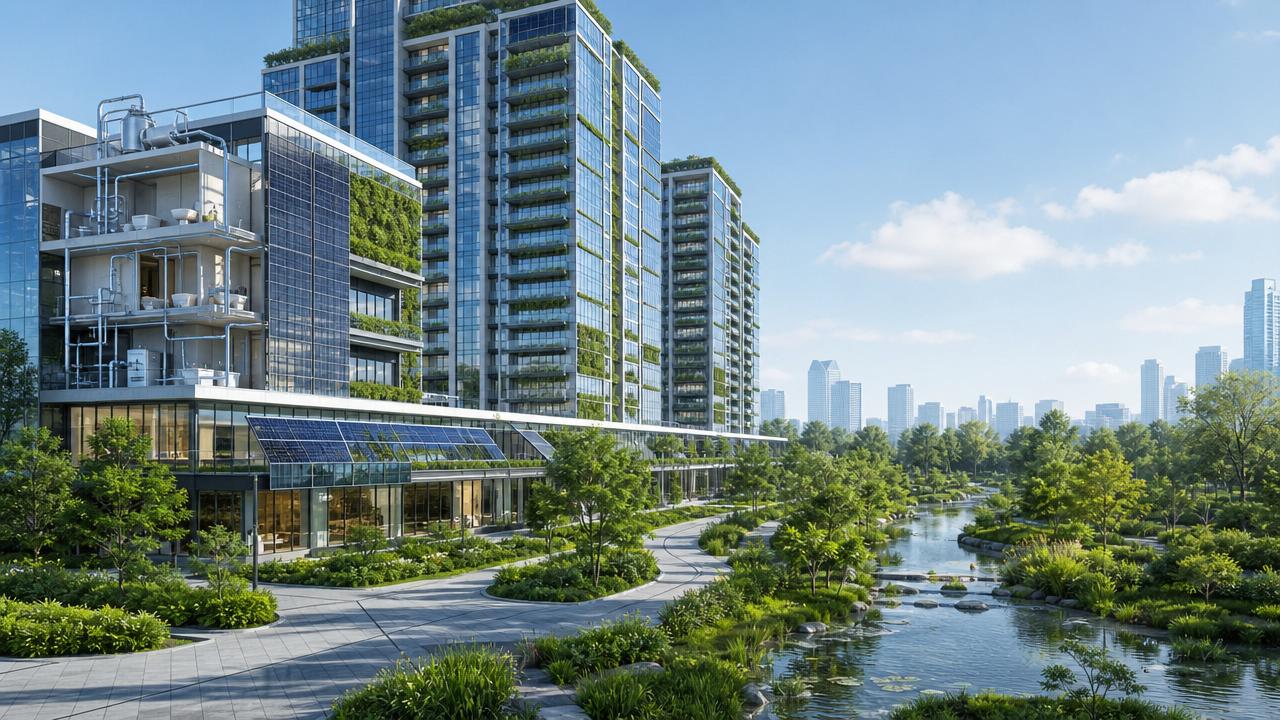
As cities face stricter climate targets, tighter regulations, and rising expectations for healthier spaces, sustainable architecture is becoming a defining force in urban development for 2026. For business decision-makers, understanding these shifts is no longer optional—it is essential for reducing risk, improving project value, and capturing long-term market advantage in an increasingly competitive built environment.
What sustainable architecture means in the 2026 urban context
In practical terms, sustainable architecture is no longer limited to energy-efficient façades or the use of recycled materials. In 2026, it refers to an integrated design and delivery approach that reduces environmental impact across the full life cycle of a building while also improving human health, operational resilience, and long-term asset performance. This includes material selection, water systems, indoor environmental quality, digital monitoring, embodied carbon control, and adaptive design for changing climate conditions.
For urban projects, the topic matters because cities are where regulatory pressure, infrastructure demand, and population density converge. Commercial offices, mixed-use complexes, residential towers, healthcare spaces, hospitality projects, and public facilities are all being evaluated not only by cost and speed, but by their carbon profile, resource efficiency, and ability to support healthier, smarter living environments. That shift is especially relevant to GIAM’s focus on core building materials, sanitary systems, and smart kitchen and bath solutions, where design choices now have measurable strategic consequences.
Why the industry is paying closer attention now
Several forces are pushing sustainable architecture from a preferred option into a mainstream requirement. First, governments are tightening building energy codes, carbon disclosure rules, and water-efficiency standards. Second, investors increasingly assess environmental performance as part of portfolio risk. Third, tenants and end users expect better air quality, cleaner materials, safer sanitary spaces, and digital convenience. Finally, volatile energy prices and supply chain disruptions are making inefficient buildings more expensive to own and operate.
For decision-makers, this means sustainability is directly linked to business outcomes. A building that performs well environmentally can lower utility costs, reduce compliance risk, attract premium occupants, support financing objectives, and maintain asset relevance for longer. A building that ignores these shifts may face retrofit costs, lower occupancy appeal, and reduced competitiveness in urban markets.
Core sustainable architecture trends shaping urban projects in 2026
1. Embodied carbon becomes a mainstream design metric
Operational efficiency remains important, but embodied carbon is moving to the center of project evaluation. Developers and specifiers are looking more closely at the emissions associated with cement, steel, ceramics, insulation, finishes, and interior systems. This is encouraging demand for low-carbon concrete alternatives, recycled-content products, responsibly sourced timber, modular components, and transparent environmental product declarations. In urban projects with complex supply chains, material intelligence is becoming as valuable as design intent.
2. Water efficiency is expanding beyond basic conservation
Water stress, rising utility costs, and stricter sanitation requirements are elevating the role of advanced water-saving technologies. In sustainable architecture, bathrooms, kitchens, and service areas are no longer treated as secondary systems. Smart fixtures, leak detection, greywater reuse, pressure optimization, and touchless sanitary solutions are gaining stronger relevance, especially in hotels, offices, healthcare, and multifamily developments. GIAM’s perspective on hydraulic design and sanitary spaces aligns closely with this trend, because water performance now influences both sustainability targets and user trust.
3. Healthy materials and indoor quality are becoming investment criteria
Urban occupants want spaces that do more than consume less energy. They expect healthy interiors with better ventilation, low-emission finishes, anti-bacterial surfaces, thermal comfort, daylight access, and acoustic quality. For enterprises, this trend matters because healthier spaces can improve tenant satisfaction, workforce productivity, and brand positioning. In commercial and residential projects alike, sustainable architecture now overlaps with wellness, especially in dense city environments where indoor experience strongly shapes market perception.
4. Smart building systems are supporting measurable sustainability
Digitalization is making sustainability more operational. Sensors, building management platforms, smart locks, occupancy-based controls, appliance monitoring, and predictive maintenance tools help reduce waste while improving performance transparency. In 2026, the strongest urban projects are likely to combine efficient physical systems with data-driven oversight. Sustainable architecture therefore includes not only passive design and material choice, but also the intelligence layer that keeps a building efficient over time.
5. Adaptive and resilient design is moving from niche to standard
Heatwaves, flooding, storm events, and grid instability are changing urban design priorities. Sustainable architecture in 2026 increasingly addresses resilience through shading strategies, flood-aware planning, durable materials, backup systems, and flexible spatial layouts. Projects that can adapt to changing environmental conditions protect both asset value and user safety. This trend is especially important for cities where infrastructure pressure and climate exposure are rising at the same time.
Industry overview: where these trends are creating the most impact
The table below highlights how sustainable architecture is influencing major urban project types and what decision-makers should monitor most closely.
How sustainable architecture creates business value
For enterprise leaders, the value of sustainable architecture should be evaluated beyond environmental messaging. It influences project economics, risk exposure, and strategic differentiation. The first layer of value is operational: efficient systems reduce energy and water consumption. The second is regulatory: better-performing buildings are more likely to meet future standards without expensive retrofits. The third is commercial: tenants, buyers, and institutional partners increasingly prefer spaces that support health, intelligence, and resource responsibility.
There is also a supply-side dimension. As premium building materials, smart kitchen appliances, water-saving fixtures, and digitally integrated sanitary systems gain importance, manufacturers and suppliers have new opportunities to create premium positioning within project specifications. GIAM’s intelligence-led approach is especially useful here, because market advantage depends on understanding where technical performance, design aesthetics, and regulatory direction intersect.
Common application directions across the built environment
Although sustainable architecture is broad, urban projects in 2026 are likely to concentrate on a few high-impact application areas:
- Low-carbon structural and finishing materials with verified environmental data.
- Water-efficient bathrooms, kitchens, and service systems designed for hygiene and monitoring.
- Smart controls for lighting, HVAC, access, and equipment to reduce waste and improve performance visibility.
- Interior products that support healthier spaces through lower emissions, anti-bacterial properties, and durability.
- Resilient design features that help buildings withstand climate stress and changing occupancy needs.
These applications are not isolated upgrades. The strongest results come when they are integrated early in the planning process, supported by reliable market intelligence, and translated into measurable targets for designers, contractors, operators, and suppliers.
What decision-makers should evaluate before acting
A common mistake is to treat sustainable architecture as a branding layer added late in development. In reality, outcomes depend on early-stage alignment. Decision-makers should first clarify which metrics matter most for the project: carbon, energy, water, health, resilience, lifecycle cost, or market differentiation. They should then assess whether design teams and supply partners can provide credible data and compatible solutions.
It is also important to avoid evaluating products in isolation. A highly efficient fixture, finish, or appliance may underperform if the wider system is poorly coordinated. For example, water-saving hardware needs proper pressure design and maintenance planning. Low-carbon materials need procurement verification. Smart devices need interoperability and cybersecurity attention. Sustainable architecture succeeds when specification, engineering, operations, and user experience are considered together.
A practical framework for urban project teams
To move from concept to execution, organizations can use a simple five-part framework:
- Set measurable sustainability priorities at the project brief stage.
- Map high-impact materials and systems, especially those tied to carbon, water, and indoor quality.
- Require performance documentation from suppliers and technology partners.
- Use digital tools to track operation after handover, not just during design.
- Review results against business goals such as asset value, user satisfaction, and compliance readiness.
This framework is relevant across sectors because it balances strategic vision with practical delivery. It also reflects the direction of urban development, where sustainable architecture must be both technically credible and commercially grounded.
Looking ahead
The urban projects that stand out in 2026 will not be defined by a single green feature. They will be defined by coordinated decisions across materials, sanitary systems, smart technologies, health performance, and resilience planning. Sustainable architecture is therefore best understood as an operating model for better buildings rather than a narrow design style.
For business leaders, the next step is not simply to follow trends, but to build decision quality. That means tracking policy signals, evaluating material and system innovation, and working with intelligence sources that can connect construction fundamentals with evolving user expectations. GIAM’s emphasis on authoritative sector insight, commercial scanning, and the convergence of green materials with smart spaces offers a useful lens for that task. In a market where every specification can influence carbon, cost, and competitiveness, informed action around sustainable architecture is becoming a core advantage.
Industry Briefing
Get the top 5 industry headlines delivered to your inbox every morning.