
Where residential space intelligence adds real value
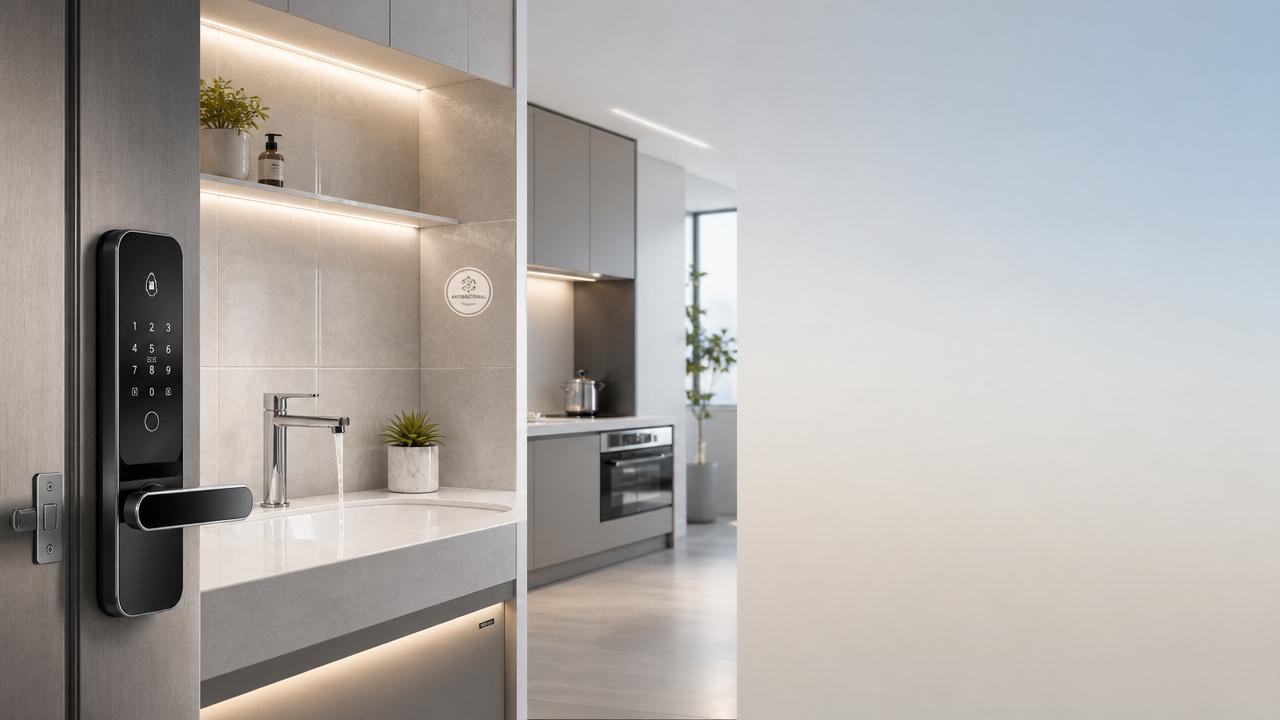
Where residential space intelligence adds real value
Residential space intelligence delivers value when technical data becomes practical insight for safer, greener, and smarter built environments.
The challenge is no longer simple comparison of materials, fixtures, or connected systems.
It is understanding how performance, compliance, lifecycle efficiency, and user experience align across the residential ecosystem.
GIAM examines this intersection through market intelligence, material science perspectives, and smart space trends.
This approach helps identify solutions that create measurable value in modern housing and future-ready interiors.
The practical meaning of residential space intelligence
Residential space intelligence is the structured understanding of how homes perform, adapt, and support daily living.
It connects building materials, sanitary systems, kitchen technology, security devices, and environmental controls into one evaluation logic.
The concept is not limited to smart devices or digital dashboards.
Residential space intelligence also includes durability, hygiene, water efficiency, energy behavior, maintenance access, and regulatory readiness.
A ceramic tile, faucet, smart lock, cabinet system, or ventilation component can all carry intelligence value.
That value appears when product data supports better design, procurement, operation, and long-term asset performance.
GIAM treats residential space intelligence as an intelligence layer above isolated product specifications.
This layer links material science, hydraulic design, interior aesthetics, and industrial economics.
The result is clearer judgment across safety, comfort, sustainability, and cost control.
Industry context behind smarter residential decisions
Residential markets are being reshaped by urbanization, carbon reduction targets, aging buildings, and rising expectations for connected living.
These forces increase the importance of residential space intelligence in both new construction and renovation.
Energy codes are becoming stricter, while water-saving requirements are moving from optional preference to baseline expectation.
At the same time, antibacterial surfaces and easy-clean sanitary spaces receive more attention from health-conscious households.
Trade tariffs, raw material volatility, and logistics risk also influence material selection and project feasibility.
Residential space intelligence helps convert these external signals into practical selection criteria.
Where measurable value is created
The real value of residential space intelligence appears where technical choices affect measurable outcomes.
These outcomes include lower operating costs, improved comfort, fewer failures, and stronger compliance confidence.
In bathrooms, intelligence links water pressure, fixture design, drainage performance, surface hygiene, and accessibility.
In kitchens, it connects appliance efficiency, storage ergonomics, ventilation, heat resistance, and connected control.
In entrances, residential space intelligence supports smart locks, durable doors, security sensors, and user authentication reliability.
Across interiors, it clarifies how flooring, wall materials, lighting, and acoustic choices influence long-term living quality.
- Safety value: fire resistance, slip control, electrical stability, and access protection.
- Environmental value: lower energy use, water conservation, and reduced material waste.
- Operational value: easier maintenance, predictive replacement, and better lifecycle planning.
- Experience value: comfort, convenience, hygiene, and adaptive spatial behavior.
This is why residential space intelligence should be evaluated as a performance system, not a technology label.
Core application areas in residential environments
Different areas of the home require different intelligence priorities.
A useful framework separates visible design value from hidden technical value.
Residential space intelligence becomes stronger when both dimensions are considered together.
This classification prevents residential space intelligence from becoming too abstract.
It also supports clearer comparison between product options, system packages, and specification strategies.
How GIAM interprets spatial intelligence signals
GIAM positions residential space intelligence within a broader construction and interior matrix.
Its Strategic Intelligence Center connects sector news, evolutionary trends, and commercial insights into one decision framework.
Material science perspectives reveal how surfaces, coatings, ceramics, metals, and composites perform under real residential conditions.
Hydraulic design perspectives clarify how sanitary spaces balance comfort, pressure stability, drainage, and conservation.
Industrial economics perspectives explain how tariffs, supply chains, premiumization, and urban demand influence product viability.
Through this structure, residential space intelligence becomes a bridge between hard construction data and interior living value.
It helps compare solutions by verified performance rather than isolated claims.
It also highlights emerging themes such as smart locks, water-saving fixtures, antibacterial materials, and low-carbon building products.
Evaluation criteria for better technical judgment
A strong residential space intelligence assessment should combine product data with environmental and operational context.
The following criteria help convert broad intelligence into practical decisions.
- Check compliance with relevant building, energy, water, electrical, and safety standards.
- Review lifecycle cost, not only initial purchase or installation cost.
- Compare real performance data with marketing specifications and laboratory claims.
- Confirm compatibility between materials, fixtures, digital systems, and maintenance routines.
- Assess carbon, water, and waste implications across the expected service life.
- Prioritize resilience against moisture, heat, abrasion, corrosion, and frequent use.
These criteria make residential space intelligence more accountable.
They also reduce the risk of selecting attractive solutions that underperform after installation.
Common risks when intelligence is fragmented
Fragmented data weakens residential space intelligence because each component may appear acceptable in isolation.
Problems often emerge when systems interact under daily use.
For example, water-saving fixtures may disappoint if pressure conditions are not analyzed before selection.
Smart devices may create maintenance burden when software support, connectivity, or privacy requirements are overlooked.
High-end surfaces may lose value if cleaning chemistry, abrasion resistance, or moisture behavior is ignored.
Residential space intelligence reduces these risks by connecting specifications to usage scenarios.
- Avoid selecting components without checking system compatibility.
- Avoid treating smart functions as substitutes for basic durability.
- Avoid ignoring local standards, climate, and maintenance capacity.
- Avoid comparing premium materials without lifecycle evidence.
Practical steps for applying residential space intelligence
Applying residential space intelligence begins with a clear performance map.
The map should define essential outcomes before product comparison starts.
Safety, comfort, sustainability, compliance, and serviceability should be weighted according to the residential context.
Next, technical data should be grouped by space type and system relationship.
Bathroom fixtures, wall surfaces, smart controls, and ventilation should not be evaluated as disconnected items.
The same logic applies to kitchens, entrances, living areas, and utility spaces.
- Define space-level performance goals and acceptable risk limits.
- Collect verified specifications, standards references, and lifecycle data.
- Compare alternatives through total value, not isolated features.
- Review installation, maintenance, and replacement requirements early.
- Monitor policy, trade, and technology signals through reliable intelligence sources.
This process turns residential space intelligence into repeatable practice.
It also supports more transparent decisions across material, system, and spatial performance.
Future direction of intelligent residential value
The next stage of residential space intelligence will be shaped by integration and accountability.
Smart systems will need stronger interoperability, clearer data governance, and longer software support cycles.
Materials will need stronger evidence for low-carbon production, hygiene performance, and circular use.
Sanitary spaces will continue evolving toward water efficiency, touchless operation, and easier maintenance.
Kitchens will become more connected, energy-aware, and responsive to compact urban living.
In this future, residential space intelligence will not be a decorative technology layer.
It will be a core method for aligning construction quality, interior experience, and environmental responsibility.
Action path for more informed spatial decisions
Meaningful residential space intelligence starts with disciplined information selection.
Reliable intelligence should combine standards tracking, technical evidence, market demand, and future trend analysis.
GIAM supports this path by stitching together building materials, sanitary spaces, and smart kitchen and bath systems.
Its intelligence perspective helps translate complex industry movement into practical spatial judgment.
The next step is to evaluate residential projects through connected performance questions.
Which materials last longer, save resources, support hygiene, and meet future standards?
Which systems improve comfort without adding unnecessary complexity?
Which choices create value across design, installation, operation, and replacement?
Answering these questions is where residential space intelligence adds real value.
With structured insight, residential environments can become safer, greener, smarter, and more resilient.
Industry Briefing
Get the top 5 industry headlines delivered to your inbox every morning.