
Where residential space intelligence saves the most energy
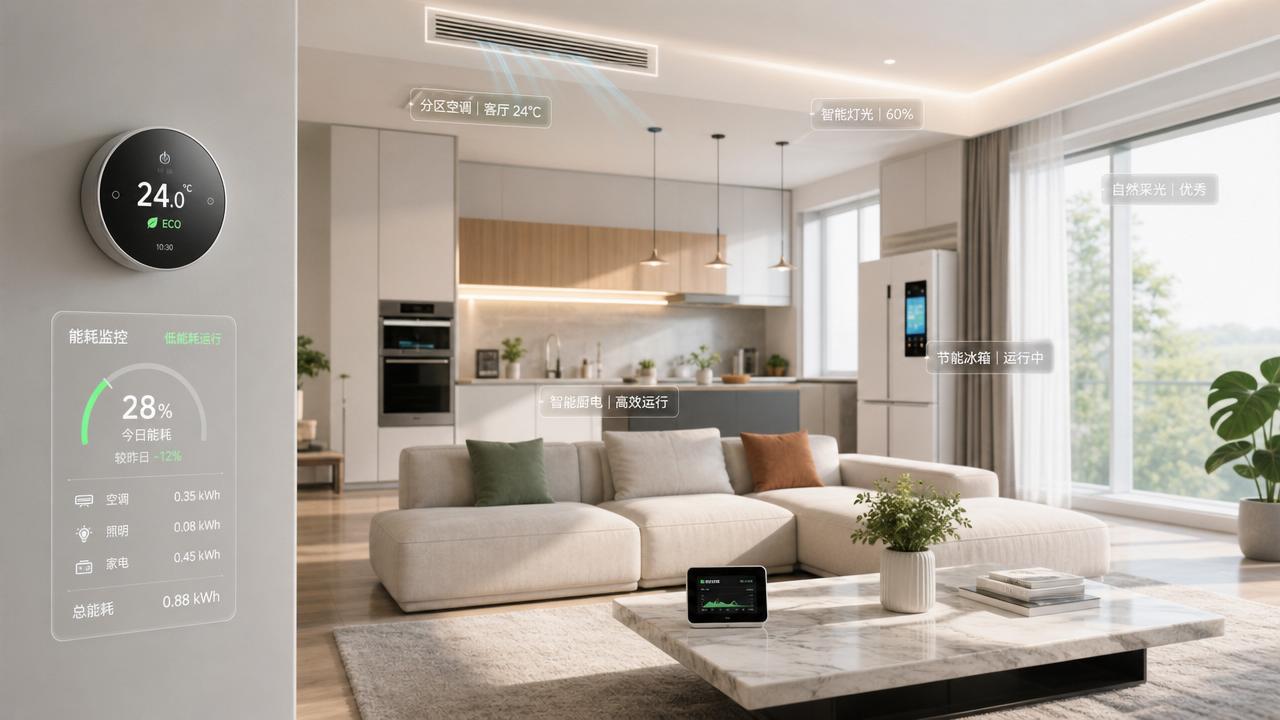
From lighting and climate control to water use and appliance scheduling, residential space intelligence helps homeowners cut waste where it matters most. By turning daily living data into smarter decisions, residential space intelligence can reduce energy bills, improve comfort, and support greener homes without sacrificing convenience. This article explores the areas where these systems deliver the biggest savings and what that means for modern households.
For most homeowners, the biggest question is simple: where does residential space intelligence actually save the most energy, and is it worth the cost? The short answer is that the largest savings usually come from heating and cooling, followed by lighting, water heating, major appliances, and occupancy-based automation. The value is highest when smart systems do more than just add remote control—they actively reduce unnecessary energy use in everyday life.
That matters because many homes waste energy in predictable ways. Rooms are heated when nobody is there. Lights stay on longer than needed. Water heaters run at full intensity all day. Appliances operate during expensive peak hours. Residential space intelligence addresses these habits by using sensors, schedules, usage patterns, and connected controls to make the home respond more efficiently.
For end consumers, the real benefit is not technology for its own sake. It is lower utility bills, less manual adjustment, better comfort, and a clearer understanding of where energy goes. The most helpful way to evaluate these systems is by looking at where they create measurable savings first, and where they mainly add convenience second.
Why heating and cooling usually deliver the biggest energy savings
In most homes, heating and cooling account for the largest share of total energy use. That is why climate control is usually the area where residential space intelligence saves the most energy. If your system can prevent over-conditioning, reduce runtime, and target occupied spaces more accurately, the impact can be substantial over an entire year.
Smart thermostats are the most familiar example, but their value depends on how intelligently they work. A thermostat that simply follows a fixed schedule is useful, but a system that adapts to occupancy, weather conditions, indoor humidity, and household routines can save more. It avoids heating or cooling an empty house and reduces unnecessary operation during milder outdoor conditions.
Zoned temperature control can increase savings further. Instead of treating the whole home as one thermal block, smart zoning allows bedrooms, living areas, and rarely used spaces to be conditioned differently. That matters in larger homes, multi-story layouts, and households with irregular daily routines. If a guest room is empty for weeks, there is no reason to keep it at the same temperature as the kitchen or family room.
Another major advantage is continuous optimization. Residential space intelligence can detect when HVAC performance drifts away from normal patterns. If the system runs longer to reach the same temperature, that may indicate a filter issue, duct leakage, poor insulation performance, or equipment wear. Catching these problems early prevents energy waste that would otherwise continue unnoticed.
Homeowners often ask whether smart climate systems save enough to justify their price. In many cases, yes—especially in regions with extreme summers or winters, high electricity rates, or larger homes. The greatest returns usually come from combining a smart thermostat with zoning, occupancy sensors, and envelope improvements such as better insulation and window sealing.
Lighting saves less than HVAC, but it is one of the easiest wins
Lighting usually does not match heating and cooling in total energy savings, but it is one of the simplest and fastest areas to improve. Residential space intelligence reduces lighting waste by making sure lights are used only when and where they are needed. That can be surprisingly effective in homes where lights are frequently left on in hallways, bathrooms, kitchens, garages, or outdoor areas.
Occupancy and vacancy sensors are especially useful because they remove the need for people to remember switches. When connected lighting responds to actual presence, it cuts waste in transition spaces and rooms with inconsistent use. This is particularly helpful in family households where lighting habits differ from person to person.
Daylight-responsive controls add another layer of efficiency. In homes with large windows, skylights, or open-plan layouts, smart lighting can dim or turn off fixtures when natural light is sufficient. Instead of using a fixed brightness all day, the system adjusts based on real conditions. That creates both energy savings and better visual comfort.
Scene-based controls also help, though they are often underrated. Rather than turning on every fixture in a room, residential space intelligence can activate only the lights needed for cooking, reading, relaxing, or nighttime movement. Lower light levels in the evening not only save energy but can support a more comfortable atmosphere.
The key point is that smart lighting works best when it is nearly invisible. If homeowners have to constantly override the system, it becomes annoying rather than efficient. Good lighting intelligence balances automation with user control, making savings feel natural instead of restrictive.
Water heating is a hidden savings opportunity many households overlook
When people think about home energy use, they often focus on heating, cooling, or appliances. But water heating is one of the most important hidden opportunities. In many households, hot water is used heavily every day for showers, dishwashing, laundry, and cleaning. Residential space intelligence can reduce this load by timing heating more efficiently and limiting waste at the source.
Smart water heaters can learn demand patterns and heat water when it is most likely to be needed, rather than maintaining the same level all day. This reduces standby losses and can shift energy use away from peak pricing periods. In homes with time-of-use electricity rates, that can improve both energy efficiency and utility costs.
Leak detection and flow monitoring also matter more than many consumers realize. A dripping fixture, hidden pipe leak, or continuously running toilet wastes both water and the energy used to heat it. Residential space intelligence can alert homeowners to unusual water activity before it becomes an expensive long-term problem.
Smart shower systems, low-flow fixtures with digital feedback, and usage tracking tools can also change behavior. When people can see how much hot water they use and when consumption spikes, they often make better decisions without feeling forced. This is one reason why visible data is powerful: it turns waste from an abstract issue into something understandable and manageable.
For homes with larger families, frequent guests, or high daily water use, this category can be especially valuable. While it may not receive the same attention as climate control, water-related intelligence often produces meaningful savings with strong comfort benefits.
Appliance scheduling matters most when usage is heavy or electricity prices vary
Not every appliance contributes equally to household energy consumption. Refrigerators, washers, dryers, dishwashers, ovens, and ventilation systems all play different roles. Residential space intelligence helps most when it targets appliances with high energy demand, repetitive cycles, or flexible operating times.
Scheduling is one of the clearest benefits. Dishwashers, laundry machines, and some water heating systems can run during off-peak hours rather than expensive peak periods. If your local utility uses dynamic pricing or time-of-use billing, this can produce noticeable savings without reducing comfort. The task still gets done, but at a smarter time.
Connected appliances can also provide efficiency feedback. A refrigerator that alerts you to a door left open, a dryer that adjusts cycle time based on moisture levels, or a range hood that runs only when air quality demands it all reduce unnecessary energy use. These are small decisions individually, but over months and years they add up.
The biggest mistake homeowners make is assuming that every smart appliance automatically saves energy. In reality, some products are mostly convenience upgrades. The energy value depends on whether the appliance can actively optimize operation, reduce standby consumption, or help users avoid waste. Remote control alone is not enough.
If you are prioritizing spending, focus first on connected systems tied to major loads or frequent routines. A smart dishwasher with load sensing and off-peak scheduling offers more practical value than a highly connected countertop gadget that rarely changes energy use at all.
Occupancy awareness is what turns separate devices into real residential space intelligence
The most effective energy-saving homes do not rely on isolated smart products. They use occupancy awareness to coordinate systems around how people actually live. This is where residential space intelligence becomes more than a collection of apps and devices. It becomes a responsive environment.
Occupancy data can link heating, cooling, lighting, ventilation, blinds, and security settings into one operating logic. If the house is empty, the system can lower HVAC output, switch off lights, reduce hot water activity, and adjust shading. If people return earlier than expected, it can restore comfort before they notice a change.
Room-level occupancy is even more powerful. A home office may need cooling and task lighting during the day, while upstairs bedrooms can remain in low-energy mode. In the evening, the pattern reverses. This reduces the common problem of conditioning and lighting the wrong spaces at the wrong times.
There is also a comfort advantage that consumers should not ignore. Good occupancy-based automation saves energy while making the home feel easier to live in. Lights appear when needed. Temperatures feel more stable. Ventilation responds to actual use. When designed well, energy efficiency and convenience support each other rather than compete.
However, accuracy matters. Poor sensors or badly tuned automations can cause frustration, such as lights turning off too soon or rooms feeling slow to respond. That is why consumers should look for systems known for reliable sensing and flexible customization.
Data visibility helps homeowners change behavior and reduce waste faster
One of the most underrated benefits of residential space intelligence is that it shows people what is happening in their home. Many energy problems persist simply because homeowners do not know where waste is occurring. Once usage is visible by room, device, or time of day, inefficient patterns become easier to fix.
Energy dashboards can reveal which systems drive consumption, when spikes occur, and how changes affect monthly costs. For example, a homeowner may discover that overnight cooling settings are too aggressive, that an old freezer in the garage uses more electricity than expected, or that water use jumps every weekend. These insights support better decisions than guesswork ever can.
Usage comparisons are also helpful. If the system shows how current performance compares with previous weeks or seasons, households can measure whether a new schedule, temperature setting, or appliance upgrade is actually working. That creates confidence and makes energy reduction feel achievable rather than vague.
For many consumers, the practical takeaway is this: data does not save energy by itself, but it enables better choices. The more clearly residential space intelligence translates raw information into understandable actions, the more useful it becomes.
Where savings are smaller, slower, or more dependent on the home itself
Not every smart home feature produces major savings. Some offer modest reductions, while others are valuable mainly for comfort, safety, or aesthetics. Window coverings, air quality monitors, and smart plugs can all contribute, but their impact depends heavily on climate, building quality, and household habits.
Smart blinds and shades can help reduce heat gain in summer and support insulation in winter, especially in homes with large glass areas. Their benefit is usually greater when integrated with climate control rather than used alone. In sunny climates, this can support meaningful HVAC savings. In milder locations, the effect may be more modest.
Smart plugs can cut standby power, but the total savings are often smaller than people expect unless many electronics are involved. They are useful for entertainment zones, home offices, and devices with persistent idle consumption, but they are not usually the first place to invest for major returns.
Indoor air quality automation may increase energy use in some cases if ventilation runs more often, but it can still be worth it for health and comfort. The point is that not all value should be judged only by immediate kilowatt-hour reduction. A well-designed home balances efficiency with livability.
How to decide what is worth buying for your home
If you are considering residential space intelligence, start with your biggest sources of waste rather than the most advertised products. Look at your utility bills, home size, climate, insulation quality, occupancy patterns, and existing equipment. A small apartment with stable temperatures has different needs from a large detached home with multiple floors and variable daily occupancy.
For most households, the smartest first investments are a quality smart thermostat, lighting controls in high-use areas, water leak and usage monitoring, and appliance scheduling where rates vary by time. If the budget allows, expand into zoning, smart water heating, and integrated occupancy sensing.
It is also important to ask whether systems work together. The best residential space intelligence comes from integration, not fragmentation. If every device requires a separate platform and none share data, the home becomes harder to manage and less effective at saving energy.
Consumers should also think about usability, privacy, and long-term support. An energy-saving system only works if people trust it and continue using it. Choose platforms with clear controls, dependable updates, and settings that can be adjusted to fit real household behavior.
Conclusion: the biggest savings come from matching intelligence to major household loads
Residential space intelligence saves the most energy when it focuses on the systems that consume the most: heating and cooling first, then water heating, lighting, and major appliances. The real breakthrough is not simply connecting devices to the internet. It is using data, occupancy, timing, and automation to prevent waste before it happens.
For homeowners, that means the best solutions are usually the ones that improve everyday decisions without adding complexity. If your home can condition the right rooms, use lighting only when needed, manage hot water more intelligently, and run appliances at better times, the savings are real and repeatable.
In the end, the value of residential space intelligence is both practical and personal. It lowers bills, supports comfort, and helps households live more efficiently with less effort. For modern homes, the most meaningful energy savings come not from doing less, but from making the space itself smart enough to do better.
Industry Briefing
Get the top 5 industry headlines delivered to your inbox every morning.