
Residential construction trends reshaping smaller homes
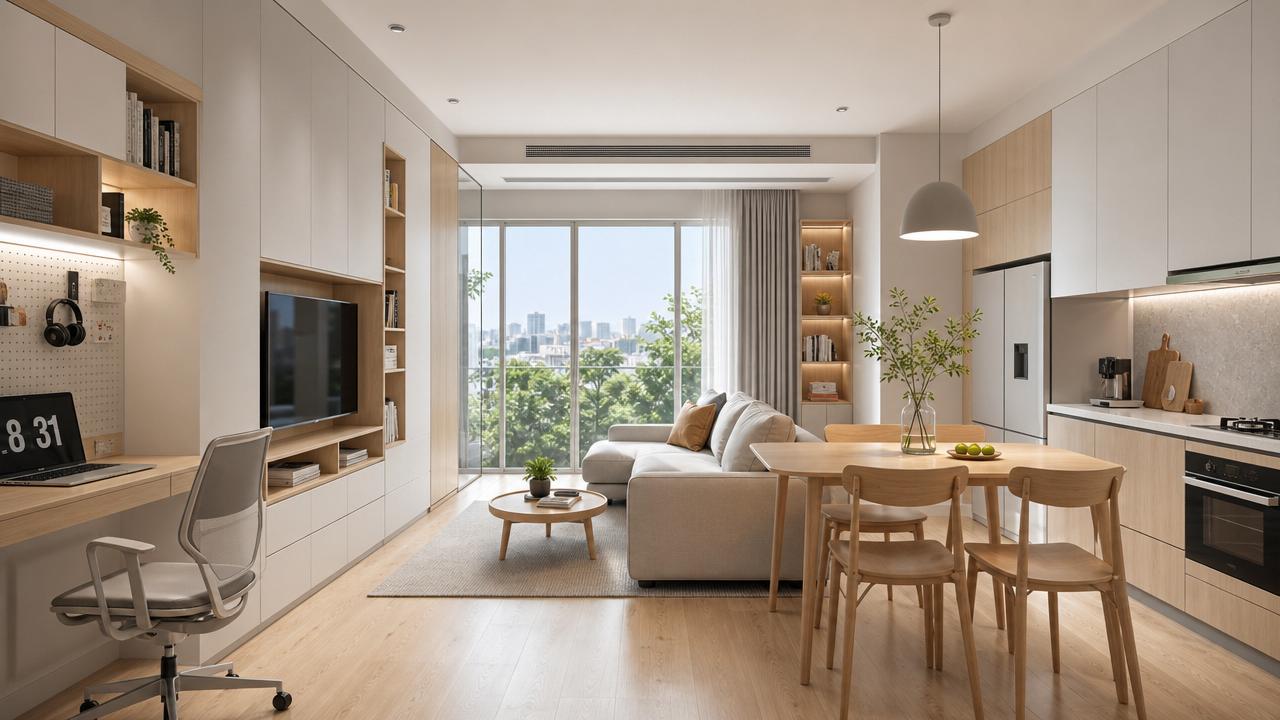
Residential construction trends are changing smaller homes in practical ways that matter to buyers: better layouts, lower energy use, more storage, and spaces that do more than one job. The biggest shift is simple—small no longer has to feel limited. For homeowners, first-time buyers, and downsizers, the real question is not whether compact homes are becoming more popular, but whether they are becoming more livable, more affordable to maintain, and more future-ready.
That is the short answer: yes, smaller homes are being reshaped by smarter design and more efficient building practices. The most valuable trends are not flashy architectural ideas; they are the ones that improve daily comfort, reduce utility costs, and make every square foot work harder. If you are considering a new build, renovation, or purchase, these trends can help you judge whether a smaller home is a smart fit for your budget and lifestyle.
What buyers really want from smaller homes now
Today’s buyers are not just looking for fewer square feet. They want homes that feel open, adaptable, and easy to live in. A smaller house that wastes space is no longer attractive, even at a lower price point. The strongest residential construction trends respond to that by improving circulation, storage, natural light, and room flexibility.
For consumers, this means a smaller home should be judged by usability, not just size. Can the kitchen support daily cooking? Is there enough concealed storage? Does the living area support work, rest, and family time without feeling crowded? These are the questions that increasingly define value in the compact housing market.
Smarter layouts are making compact homes feel larger
One of the most important residential construction trends is the move away from wasted hallways and closed-off rooms. Builders are using open-plan or semi-open layouts that connect the kitchen, dining, and living spaces more efficiently. This does not always mean removing every wall; it means designing a home around how people actually move and live.
For small-home buyers, the benefit is immediate. A well-planned layout can make 900 square feet feel more useful than a poorly designed 1,200-square-foot home. Look for features such as wider sightlines, fewer dead corners, and furniture zones that can change with your needs. In smaller homes, layout is often more valuable than raw size.
Storage is becoming built in, not added later
Storage used to be an afterthought. Now it is part of the construction strategy. Built-in cabinets, under-stair drawers, wall niches, mudroom benches, and floor-to-ceiling storage are increasingly common because they reduce clutter without expanding the home’s footprint.
This matters because clutter is one of the fastest ways to make a small home feel stressful. Buyers should pay attention to whether storage is designed into the structure or left to chance. Homes that integrate storage early in the plan usually feel more organized, easier to maintain, and more comfortable over time.
Energy efficiency is moving from bonus feature to must-have
Energy-efficient materials and systems are now central to residential construction trends, especially in smaller homes where operating costs matter just as much as purchase price. Better insulation, high-performance windows, efficient HVAC systems, and smart thermostats are becoming standard in many markets.
For homeowners, this can mean lower monthly bills and better year-round comfort. Smaller homes already use less energy than larger ones, but modern construction can narrow expenses even further. If you are comparing properties, ask about insulation ratings, window quality, air sealing, and heating and cooling performance. These details often have more long-term impact than decorative finishes.
Flexible rooms are replacing single-purpose spaces
Another trend reshaping smaller homes is the rise of multifunctional rooms. A guest room may also serve as a home office, a dining nook may double as a study area, and a living room may need to support both relaxation and remote work. This shift reflects how households actually use space now.
For buyers, flexibility is one of the clearest signs that a home can adapt to future needs. If a room can change function without major remodeling, the home has stronger long-term value. When evaluating a smaller home, ask whether the floor plan supports different life stages, work patterns, or family sizes.
Materials are being chosen for durability and easier upkeep
Smaller homes often put surfaces and finishes under more daily use, so durable materials matter more than ever. Easy-clean countertops, moisture-resistant flooring, scratch-resistant finishes, and low-maintenance exterior materials are increasingly part of modern residential construction trends.
This is especially useful for consumers who want less maintenance and fewer replacement costs. A smaller home should not require constant repair to stay attractive. Durable materials help preserve both appearance and resale value, while reducing the time and money needed for upkeep. That makes them a practical priority, not just a design preference.
Why natural light and ventilation are now major selling points
In compact homes, light and air can change how spacious a home feels. Builders are using larger windows, better window placement, skylights, and improved ventilation strategies to make smaller homes feel brighter and healthier. This is one of the most noticeable ways construction trends are improving everyday comfort.
Natural light reduces the visual heaviness that can come with smaller rooms, while good ventilation helps control odors, humidity, and indoor air quality. For buyers, this means a home can feel more pleasant without needing more square footage. When touring a property, pay attention to how the home feels in different parts of the day, not just how it looks in listing photos.
How to judge whether a smaller home is worth it
If you are a consumer deciding between smaller homes, focus on value per function rather than value per square foot alone. A strong smaller home should offer efficient layout, enough storage, lower operating costs, and materials that reduce long-term maintenance. Those elements often matter more than decorative upgrades.
A useful rule is to ask three questions: Does the home support your daily routine without friction? Will it stay affordable after purchase? Can it adapt if your needs change? If the answer is yes, the home is likely aligned with current residential construction trends in a meaningful way.
What to prioritize before buying or building
Before making a decision, look at the features that affect real life most. Prioritize insulation, window quality, storage design, layout efficiency, and flexible rooms. These are the areas where smaller homes gain or lose value fastest. Stylish finishes can be updated later; structural decisions are harder to change.
If you are building, work with a plan that treats space as a system rather than a collection of rooms. If you are buying, compare homes by how well they solve everyday problems. That approach will help you separate short-term appeal from long-term livability.
Residential construction trends are reshaping smaller homes in a way that favors smarter living, lower waste, and better value. The best compact homes today are not simply smaller versions of larger houses—they are more intentional, more efficient, and more responsive to how people actually live. For buyers and homeowners, that is good news: smaller can now mean better, if the home is designed with purpose.
Industry Briefing
Get the top 5 industry headlines delivered to your inbox every morning.