
Trade tariffs impact on construction is hitting these costs
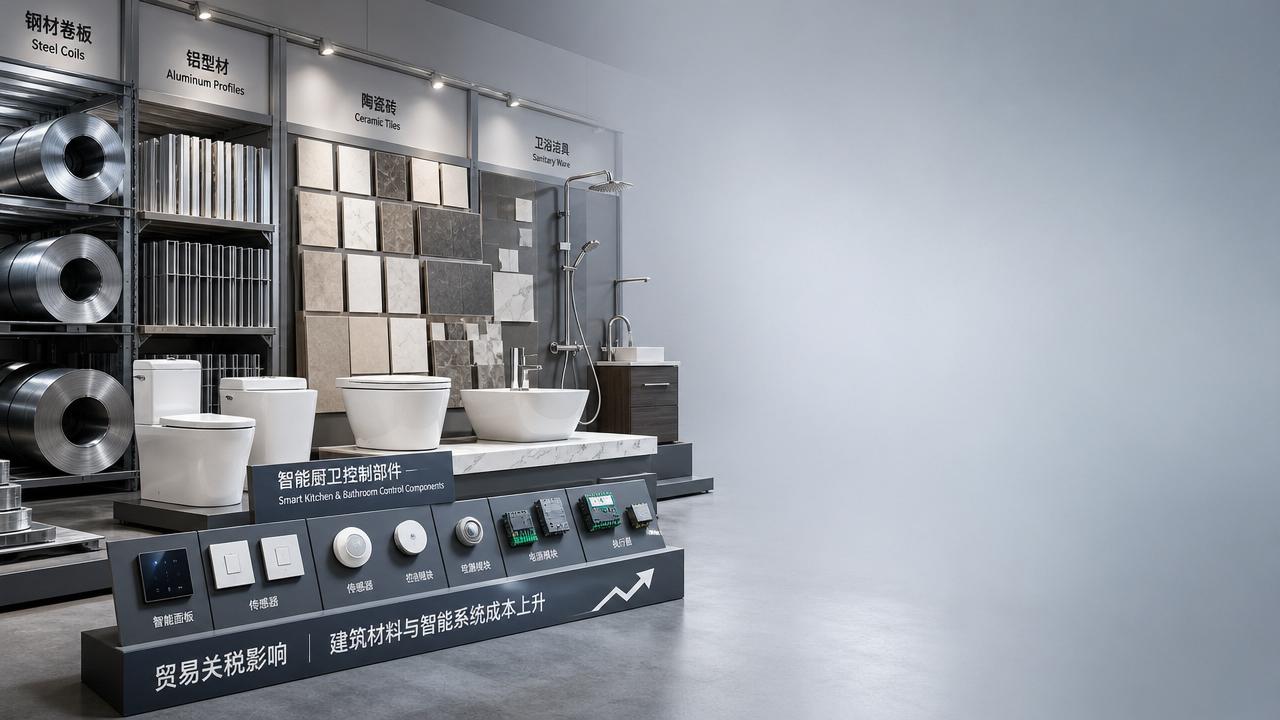
For financial decision-makers, the trade tariffs impact on construction is no longer a distant policy issue—it is a direct cost driver affecting materials, procurement timelines, and project margins. From steel and ceramics to smart kitchen and bath systems, rising tariffs are reshaping budget approvals and investment planning. Understanding where these costs are hitting hardest is essential for protecting profitability and making smarter capital decisions.
Why the trade tariffs impact on construction is accelerating now
The current wave of tariffs is landing at a time when the construction and interiors ecosystem is already managing energy volatility, freight repricing, labor pressure, and stricter sustainability standards. That overlap matters. A tariff rarely affects only the customs line item; it travels through the full value chain, lifting landed cost, changing supplier behavior, extending lead times, and forcing design substitutions. In practical terms, the trade tariffs impact on construction is showing up not just in headline material inflation, but in hidden cost categories such as re-specification, contract amendments, inventory buffers, and delayed revenue recognition.
This is especially visible in globally traded building inputs. Structural metals, finished fixtures, engineered surfaces, sanitaryware, valves, electronic control components, and smart kitchen and bath systems often rely on cross-border sourcing. When tariff schedules change, cost increases can cascade from raw material to finished product. GIAM’s market observation model highlights that companies with broad project exposure now face a more complex challenge: the trade tariffs impact on construction is no longer isolated to one category, but increasingly synchronized across multiple specification layers within the same project.
Where tariff pressure is hitting hardest across project cost structures
Not all categories absorb tariffs in the same way. Some products are directly tariff-sensitive because they are imported in finished form. Others are indirectly exposed because their inputs, packaging, electronics, or transport routes become more expensive. The result is a mixed but measurable cost escalation pattern.
Among these categories, premium imported finishes and intelligent fixtures are seeing especially visible changes. A small duty increase on a single component may appear manageable, but once software-enabled hardware, compliance testing, packaging, and distribution are added, the final installed price can rise sharply. That is why the trade tariffs impact on construction is becoming a board-level issue in projects where brand positioning, user experience, and technology integration are central to value creation.
The drivers behind the trade tariffs impact on construction costs
Tariff pressure is not random. It is being shaped by several interacting forces that affect both sourcing economics and project execution.
- Industrial policy realignment: Governments are using tariffs to protect domestic capacity in metals, finished goods, and strategic manufacturing segments.
- Supply chain regionalization: Businesses are moving production closer to demand centers, but transition costs often create temporary price spikes.
- Standards and compliance divergence: New environmental, safety, and energy standards can make alternative sourcing more expensive even before tariff effects are added.
- Currency and freight interaction: Tariffs become more painful when exchange rates and shipping rates move in the same unfavorable direction.
- Technology content inflation: Modern construction products increasingly include electronics, sensors, and digital controls, creating more tariff touchpoints per unit.
Taken together, these drivers explain why the trade tariffs impact on construction can feel disproportionate to the published tariff percentage. A 10% tariff does not always translate into a 10% budget increase; depending on sourcing structure, it can trigger a much larger increase in installed cost and schedule risk.
How tariff shifts are affecting planning, design, and commercial performance
At the planning stage, tariff uncertainty is weakening the reliability of early-stage cost models. Assumptions based on last-quarter pricing can become obsolete before procurement packages are released. This affects capital approval quality, contingency sizing, and return-on-investment timing. In sectors where interiors, sanitary spaces, and smart living systems influence leasing value or end-user appeal, deferring specification decisions can also reduce competitive differentiation.
At the design and execution stage, the trade tariffs impact on construction is creating more redesign loops. Teams may replace imported components with domestic substitutes, but that shift can affect dimensions, installation methods, technical compatibility, and maintenance requirements. In smart kitchen and bath environments, changes to one connected device may require software, power, plumbing, or certification adjustments elsewhere. The commercial effect is broader than procurement: margin protection, delivery confidence, and after-sales performance all become linked to tariff-aware specification strategy.
Business areas seeing the strongest downstream effects
- Contract pricing and escalation clause design
- Cash-flow planning for imported inventory
- Supplier qualification and compliance tracking
- Value engineering in premium finish packages
- Warranty exposure for substituted technology products
What deserves immediate attention as the trade tariffs impact on construction expands
A disciplined response starts with visibility. Rather than monitoring tariffs only at the country level, it is more useful to map exposure by product family, component origin, and specification criticality. GIAM’s intelligence approach suggests focusing on the following priorities:
- Landed-cost transparency: Separate base price, duty, freight, compliance, and financing cost to identify the true source of inflation.
- Tariff-sensitive specification mapping: Flag products where imported content is high and substitution is technically difficult.
- Dual-source resilience: Maintain at least one qualified alternative for critical metals, sanitary components, and smart systems.
- Lifecycle value review: A cheaper replacement is not always a saving if it increases maintenance, energy use, or replacement frequency.
- Schedule-risk pricing: Include the cost of delay, redesign, and re-approval when comparing sourcing options.
Practical ways to respond without sacrificing project value
The best response to the trade tariffs impact on construction is rarely a simple shift to the lowest-cost supplier. A stronger strategy balances cost control, technical fit, regulatory compliance, and long-term asset value.
The wider lesson is clear: the trade tariffs impact on construction should be managed as an intelligence problem, not only a purchasing problem. The most resilient organizations are those that connect policy monitoring with material science, sourcing analytics, technical standards, and project economics.
A smarter next step for cost visibility and strategic planning
As tariff conditions continue to evolve, reliable decision-making depends on timely, category-specific market intelligence. GIAM supports this need by tracking the intersection of global trade policy, building materials, sanitary spaces, and smart kitchen and bath systems—precisely the areas where cost pressure is often underestimated until it reaches the project budget. For any business navigating premium materials, green building priorities, or intelligent space solutions, a sharper view of tariff exposure can improve specification discipline, cost forecasting, and investment confidence.
If current budgets are under review, start by identifying the top imported categories in your pipeline, quantifying their landed-cost sensitivity, and comparing substitution options against lifecycle performance. In today’s market, responding early to the trade tariffs impact on construction is one of the most practical ways to preserve value, reduce avoidable delays, and build stronger commercial resilience.
Industry Briefing
Get the top 5 industry headlines delivered to your inbox every morning.