
Residential Space Design Choices That Quietly Reduce Usable Area
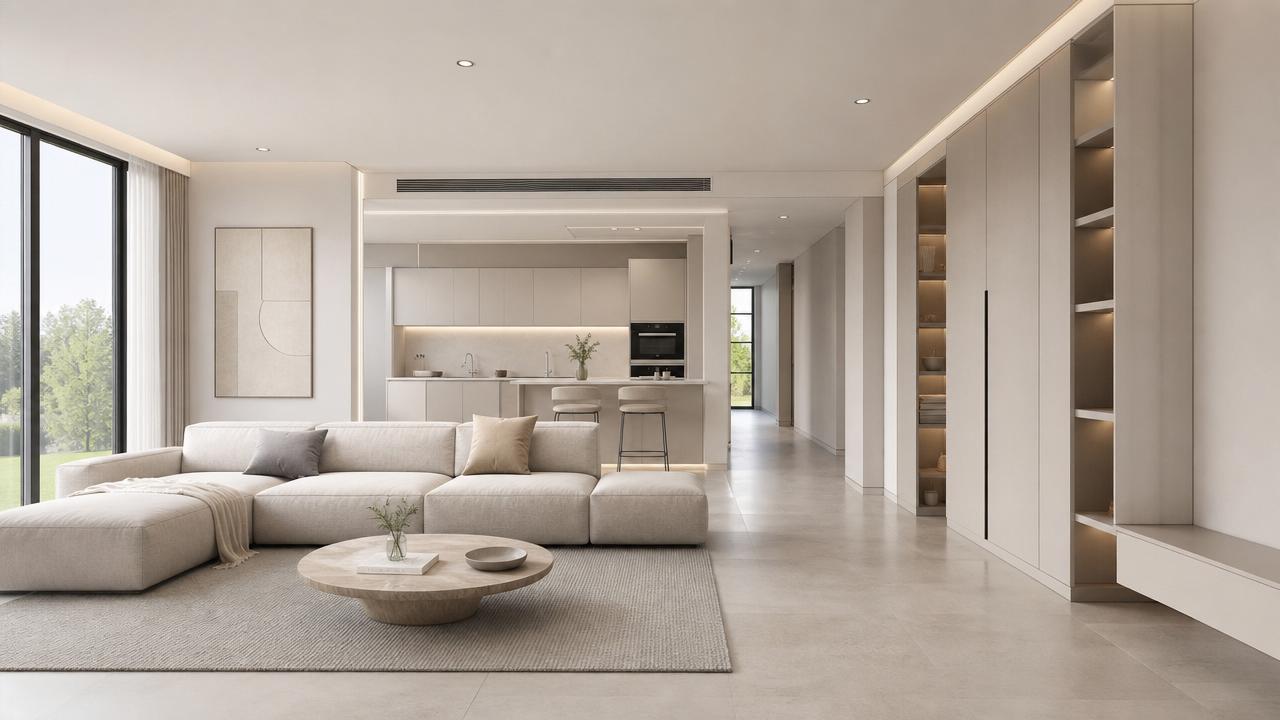
Many homes feel smaller than they should—not because of square footage, but because of overlooked residential space design decisions. From oversized circulation zones to poorly placed storage and bulky fixtures, subtle choices can quietly reduce usable area. This article explores the most common space-wasting design patterns and helps homeowners identify smarter ways to improve comfort, function, and visual openness without expanding their footprint.
Understanding how usable area is lost in everyday homes
At a basic level, residential space design is not only about how a home looks. It is also about how efficiently every square foot supports daily life. A floor plan can appear generous on paper and still feel cramped in practice when too much area is absorbed by circulation, furniture clearances, decorative features, or storage that is difficult to access. In other words, the problem is rarely size alone. It is often the gap between total area and truly usable area.
For end consumers, this issue matters because housing costs continue to rise while expectations for comfort, storage, and flexibility also increase. Families want living rooms that can host guests, kitchens that work efficiently, bedrooms that stay calm, and bathrooms that avoid visual clutter. When residential space design choices reduce usable area, homeowners often respond by buying more compact furniture or adding more storage products, but these are usually secondary fixes. Better results come from identifying the design decisions that created the waste in the first place.
This is also why the broader building and interiors sector pays close attention to planning efficiency. Platforms such as GIAM track how materials, fixtures, sanitary layouts, and smart kitchen and bath systems influence the performance of residential interiors. Good planning today is no longer judged only by appearance. It is increasingly evaluated through livability, adaptability, maintenance, water efficiency, and the intelligent use of limited space.
Why the industry is paying closer attention to residential space design
In the current market, residential space design sits at the intersection of architecture, interior planning, and product selection. Urban homes are often smaller than in previous generations, yet they must support remote work, family routines, aging in place, and higher storage needs. At the same time, manufacturers continue to release larger appliances, deeper vanity units, thicker decorative wall systems, and statement fixtures that may consume more room than many homes can comfortably spare.
The industry focus has therefore shifted from simply filling a home with attractive products to creating integrated spatial performance. That includes questions such as: Does a corridor need to be this wide? Should a swing door become a pocket door? Is a kitchen island adding function, or blocking movement? Could smart sanitary fittings or slimmer material systems free up more usable area? These are not luxury design concerns. They are core decisions that affect everyday comfort, property value, and renovation efficiency.
Common residential space design choices that quietly waste room
The most space-reducing decisions are often subtle because they are normalized by trends or copied from larger homes. Below are some of the most common patterns that reduce usable area without homeowners immediately noticing.
Oversized circulation zones
Hallways, entry passages, and walking paths are essential, but they should be proportionate. In many homes, circulation is overdesigned, leaving large transition zones that look open yet do not support any activity. A long corridor with no storage, seating, or visual purpose can consume significant floor area while offering little value beyond movement.
Furniture layouts based on symmetry rather than use
Perfectly centered sofas, oversized coffee tables, and large side chairs may create visual balance, but they can make a room harder to use. Residential space design should prioritize movement, reach, and real behavior. A living room arranged for photographs rather than daily life often loses flexibility and seating capacity.
Bulky built-ins and deep storage units
Storage is useful only when it matches the items being stored. Deep cabinets in narrow rooms can steal walkable space and create dark, heavy walls. Overbuilt TV units, thick wardrobe framing, and decorative shelving systems may appear premium but often reduce room depth and make smaller homes feel compressed.
Poor door and swing planning
Door swings are easy to overlook during planning. Yet a poorly placed hinged door can block furniture walls, interrupt storage access, and waste corners in bedrooms, bathrooms, and laundries. In compact homes, the difference between a standard swing door and a sliding or pocket solution can be substantial.
Large kitchen islands in undersized kitchens
An island is one of the most desired features in modern residential space design, but it is also one of the most misused. In a small kitchen, an island may narrow circulation, limit appliance access, and reduce the ability for two people to work comfortably. A peninsula, pull-out worktop, or compact dining extension may deliver better performance.
Bathroom fixtures that exceed the room’s scale
Freestanding tubs, oversized vanities, and thick shower partitions can quickly overwhelm a bathroom. In sanitary spaces, every centimeter matters. Slim-profile basins, wall-mounted toilets, recessed niches, and better plumbing layout often create a stronger sense of openness than simply enlarging finishes or adding more decorative elements.
Industry overview: where space loss usually happens
To evaluate residential space design more clearly, it helps to break the home into zones and identify the most frequent causes of hidden area loss.
The real value of efficient residential space design for homeowners
Efficient residential space design improves more than visual neatness. First, it supports comfort. A room that allows natural movement feels calmer and less tiring to use. Second, it improves function. Storage is easier to reach, cleaning becomes simpler, and shared spaces accommodate more than one activity. Third, it protects long-term adaptability. Homes change as families grow, work patterns shift, or mobility needs evolve. A layout with usable area preserved is easier to modify than one already crowded by fixed design decisions.
There is also a financial dimension. Consumers often focus on square footage, but buyers and renters increasingly notice whether a home feels efficient. Two homes of similar size can perform very differently in the market if one has awkward corridors, oversized bathrooms, or kitchens dominated by unnecessary features. In that sense, residential space design directly affects perceived value.
How different household types experience space loss
Not every household experiences inefficient planning in the same way. The impact depends on daily routines, family size, and how many functions the home must support.
Practical ways to protect usable area before renovating or furnishing
For consumers planning a move, remodel, or room update, the best approach is to assess spatial function before choosing finishes or statement pieces. Several practical checks can make residential space design far more effective.
Start by mapping daily movement. Identify where people turn, pause, open doors, unload groceries, get dressed, or use appliances at the same time. This often reveals that some “open” spaces are actually congested while some closed walls could carry useful storage. Next, measure furniture depth rather than guessing. A few inches saved on seating, wardrobes, or vanity units can materially improve clearances.
It is also wise to evaluate products as part of a system. GIAM’s broader industry perspective is relevant here: materials, sanitary fittings, and smart kitchen solutions should support spatial intelligence, not compete with it. Wall-mounted storage, integrated appliances, water-saving fixtures with smaller footprints, and durable slim-profile materials often provide both functional and environmental benefits. This aligns with a growing market preference for homes that are efficient, sustainable, and easier to maintain.
Finally, avoid copying layouts from social media without checking scale. Many popular interiors are photographed with wide lenses or shown in larger floor plans than the average urban residence. Good residential space design is always context-specific. What works in a large model home may undermine comfort in a compact apartment or townhouse.
A balanced approach to comfort, aesthetics, and performance
The goal is not to strip homes of personality or reduce every room to strict efficiency. Rather, strong residential space design balances function with visual quality. A home should still feel warm, layered, and personal. The difference is that decorative choices should reinforce the way the home works. When circulation is right-sized, storage is purposeful, and fixtures match the room, the result usually feels more elegant as well as more spacious.
For homeowners, this mindset can prevent expensive mistakes and create lasting value. Before adding more, ask whether each design choice earns the area it occupies. That single question often leads to better planning decisions, more useful rooms, and a home that feels larger without changing its footprint. If you are reviewing plans, renovating, or upgrading kitchens and bathrooms, focus on residential space design choices that improve usability first. Beauty tends to last longer when the space works well every day.
Industry Briefing
Get the top 5 industry headlines delivered to your inbox every morning.