
FDA Tightens Antimicrobial Rules for Tech Textiles
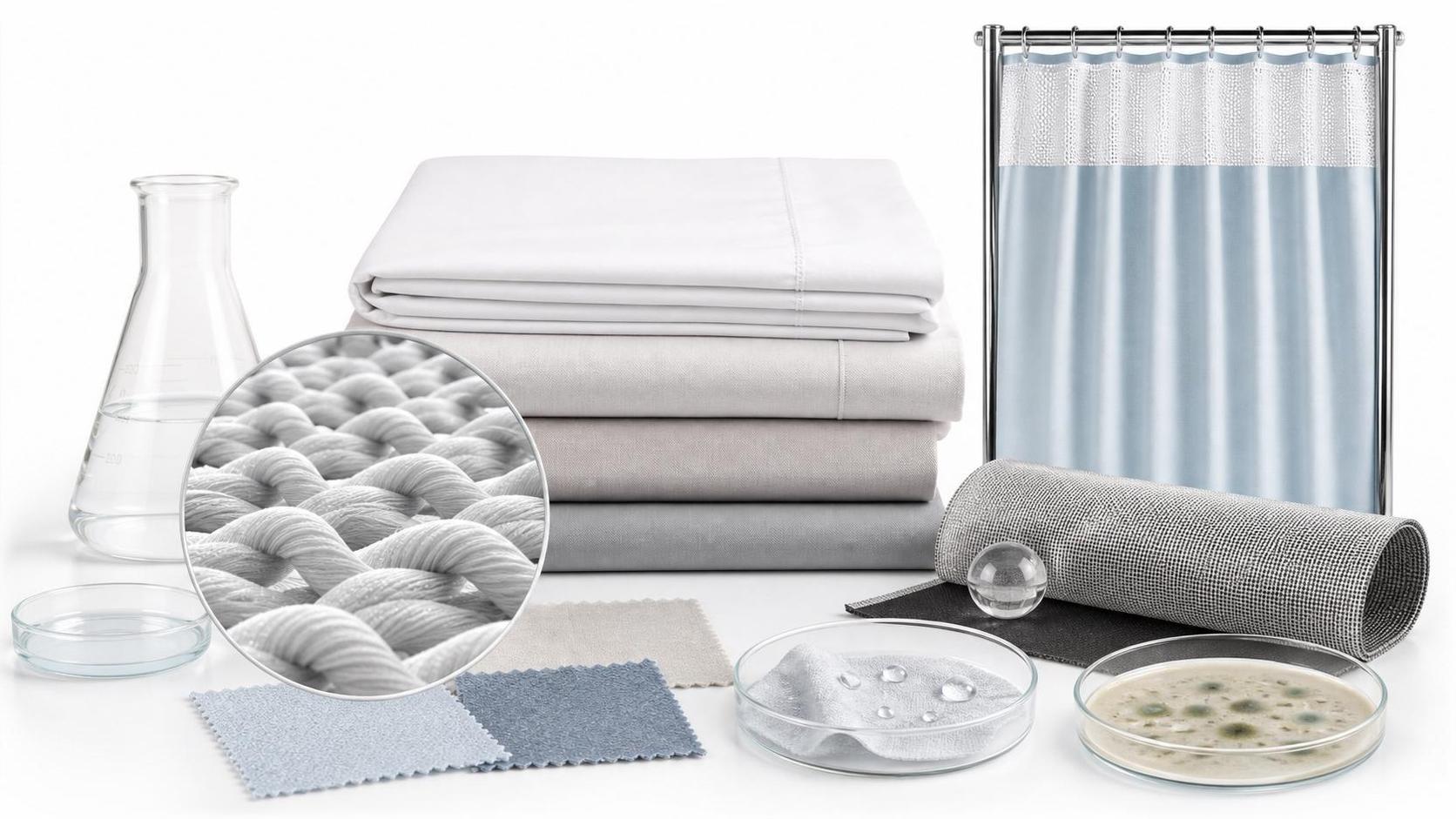
On July 11, 2026, the U.S. FDA released Rev.3.1 of its guidance for evaluating antimicrobial performance in medical and commercial smart textiles, with mandatory enforcement set for October 2026. The update matters because it turns several performance indicators into compliance requirements for suppliers serving the U.S., Canada, and Mexico markets, and it directly affects market access, testing validity, procurement review, and delivery readiness in higher-value applications such as hotel linens, medical partition curtains, and smart shading systems.
What the FDA Update Confirms
According to the information provided, the FDA issued the Guidance for Antimicrobial Performance Evaluation of Medical and Commercial Smart Textiles (Rev.3.1) on July 11, 2026. The revised guidance newly brings three items into mandatory compliance requirements: limits on nanosilver release, retained antimicrobial activity after washing at a threshold of at least 85% after 50 cycles, and biofilm inhibition performance.
The same information indicates that the change directly affects supplier access for Tech Textiles exported to the U.S., Canada, and Mexico. It is particularly relevant to higher-value use cases including hotel linens, medical partition curtains, and smart shading systems. Importers are also required to revalidate whether existing test reports across their supply chains remain effective under the updated standard.
Where the Pressure Will Show Up First
Export-facing suppliers will face a stricter entry screen
From an industry perspective, exporters of Tech Textiles are likely to feel the immediate effect because supplier qualification is explicitly tied to the updated compliance requirements. The main impact is likely to appear in product testing readiness, technical file review, and the acceptability of supporting reports used for buyer approval or customs-facing documentation processes. What deserves closer attention is whether existing product claims and test records still align with the revised antimicrobial requirements.
Importers and buyers will need to revisit report validity
Importers are specifically identified as needing to recheck the validity of current supply-chain test reports. Analysis shows this can affect procurement review, supplier renewal, and document acceptance in ongoing contracts or replenishment cycles. For buyers, the issue is not only whether a product was previously tested, but whether the report remains usable under Rev.3.1 and matches the newly mandatory metrics.
Manufacturing and processing links may see new compliance checkpoints
Observably, manufacturers and processors involved in antimicrobial textile finishing may need to pay closer attention to how compliance evidence is assembled before shipment. The areas most exposed are sample testing, technical documentation, and consistency between delivered goods and the reports presented to customers or importers. This is especially relevant for products used in medical and commercial settings where antimicrobial claims can influence purchasing decisions.
Testing and certification-related service providers may face updated client demand
Analysis shows that testing and certification support firms may see more requests related to report review, retesting, and interpretation of compliance materials. The practical change is likely to center on whether prior test methods and report formats remain acceptable for market entry and customer qualification purposes. For supply-chain service providers, document timing may also become a delivery issue if updated verification is needed before goods can move smoothly.
What Companies Should Review Now
Check whether current test reports still match the new mandatory items
What deserves closer attention is the status of reports already being used in export, tender, or buyer qualification files. Because the update makes nanosilver release limits, wash-durability retention, and biofilm inhibition mandatory, companies should review whether existing reports address these points clearly and whether the evidence remains usable after the October 2026 enforcement date.
Reassess product lines tied to higher-value application scenarios
Analysis shows that products intended for hotel linens, medical partition curtains, and smart shading systems deserve priority review because these applications are specifically identified in the provided information. Companies involved in these segments should pay close attention to whether technical specifications, antimicrobial claims, and supporting documents remain aligned with buyer expectations under the revised FDA framework.
Prepare for changes in procurement and delivery documentation
Observably, the compliance change may affect purchase orders, supplier qualification files, technical submissions, and shipment support documents. Where buyers or importers request refreshed evidence, delivery schedules could become more sensitive to testing lead times and document approval cycles. It is more appropriate to understand this as a documentation and qualification issue as much as a product-performance issue.
Monitor follow-on wording and market interpretation
The provided information does not include detailed enforcement procedures or downstream implementation guidance. For that reason, companies should continue tracking how the updated requirements are reflected in customer specifications, tender language, compliance review checklists, and practical acceptance standards used by importers and channel partners.
Why This Looks Like More Than a Routine Revision
Analysis shows that this development is better understood as a concrete compliance signal rather than a minor editorial update. The reason is that the revised guidance does not merely restate general antimicrobial expectations; it introduces mandatory treatment of specific performance indicators that can affect supplier admissibility and document sufficiency in export trade.
At the same time, it would be premature to treat every commercial consequence as settled. Observably, the market still needs to see how importers, buyers, testing bodies, and specification writers apply the revised requirements in day-to-day transactions. Continued attention is warranted because implementation often becomes clearer through procurement practice, document review standards, and industry feedback after an enforcement date approaches.
How This News Is Best Understood
In practical terms, this FDA update signals a firmer compliance threshold for antimicrobial Tech Textiles entering North American trade flows tied to the U.S., Canada, and Mexico. The immediate significance lies in supplier access, report validity, and procurement documentation rather than in broad claims about market outcomes. It is more appropriate to understand this as an already defined rule change with enforcement timing in view, while the exact market execution and acceptance approach still require close observation.
Basis of This Article
This article is generated from the user-provided news title, event date, and event summary. For developments of this kind, relevant source categories commonly include official regulatory notices, releases from supervisory authorities, customs or trade-administration information, industry association updates, standards documents, and reporting from authoritative trade media. A specific official source link was not provided in the input, so the exact publication record still needs to be verified on an ongoing basis.
Further monitoring is still needed on detailed implementation language, certification and testing interpretation, procurement document changes, tender specification updates, market feedback, and how companies execute compliance adjustments in practice.
Industry Briefing
Get the top 5 industry headlines delivered to your inbox every morning.