Why hygienic architectural solutions matter in busy spaces
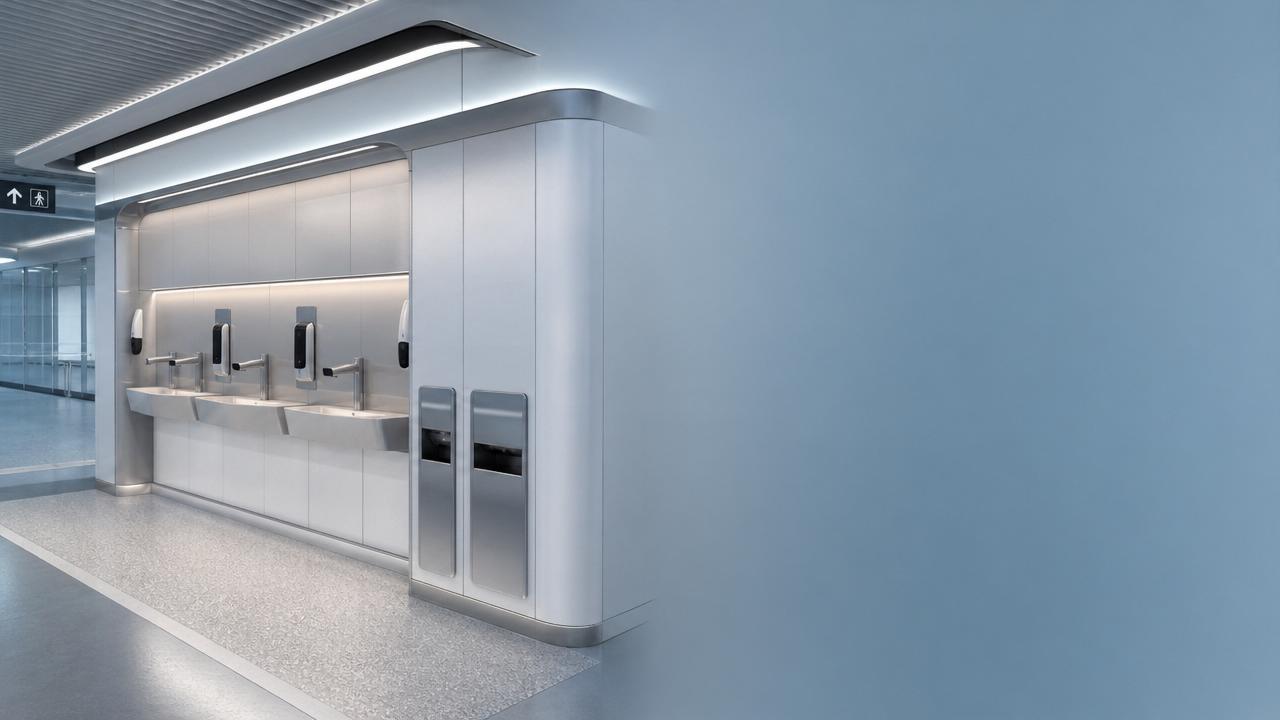
In high-traffic environments, hygienic architectural solutions are no longer optional. They help reduce contamination risks, improve cleaning efficiency, and support safer daily operations.
From transport hubs to healthcare corridors, design choices now influence health outcomes, maintenance costs, and regulatory readiness. Material selection and spatial planning shape how spaces perform under pressure.
For GIAM, this topic connects building materials, sanitary spaces, and smart interior systems. Hygienic architectural solutions also reflect a larger shift toward resilient, intelligent, and sustainable environments.
Why busy spaces need different hygienic architectural solutions
Not every crowded space faces the same hygiene challenge. Footfall patterns, moisture exposure, touch frequency, and cleaning intensity all affect the right design response.
A school entrance, a hospital restroom, and a food service corridor may all appear busy. Yet their risk profiles differ in contamination type, cleaning cycles, and user behavior.
That is why hygienic architectural solutions must be evaluated by scenario. Good decisions come from matching surfaces, joints, layouts, fixtures, and airflow strategies to actual use conditions.
Key factors that change the hygiene requirement
- Volume of users during peak hours
- Level of moisture, splashing, or standing water
- Frequency of hand contact on doors and hardware
- Need for rapid turnover and quick cleaning
- Compliance demands for health, safety, and accessibility
Where hygienic architectural solutions matter most in daily operation
Some areas create repeated hygiene pressure every hour. These zones deserve priority because small design flaws quickly turn into persistent cleaning burdens or safety issues.
Healthcare and care facilities
In healthcare spaces, infection control is central. Hygienic architectural solutions should favor seamless surfaces, rounded transitions, and materials that tolerate frequent disinfection.
Touchpoints matter greatly here. Door hardware, counters, wash areas, and wall protection systems should reduce dirt retention and simplify repeated sanitation without degrading appearance.
Transport hubs and terminals
Airports, metro stations, and bus terminals face constant circulation. Dirt enters from outdoors, while crowd density makes cleaning windows short and operational disruption costly.
Here, hygienic architectural solutions need high durability first. Flooring, wall panels, and sanitary partitions must resist abrasion, staining, moisture, and aggressive cleaning routines.
Schools, campuses, and public institutions
Educational buildings combine heavy use with budget pressure. Solutions must be hygienic, durable, and easy to maintain without requiring specialized cleaning methods.
Restrooms, cafeterias, locker areas, and shared corridors usually create the highest exposure. Hygienic architectural solutions should support clear circulation and reduce hidden dirt traps.
Hospitality, retail, and mixed-use commercial interiors
These spaces balance hygiene with brand experience. Visitors notice cleanliness through odor control, surface condition, fixture quality, and how orderly the layout feels.
In these settings, hygienic architectural solutions should not feel clinical. They should blend performance with visual warmth, supporting trust while protecting long-term asset value.
How scenario differences change the right design decision
A strong specification process compares environments by exposure, cleaning rhythm, and user behavior. The table below shows how hygienic architectural solutions shift across common settings.
Which material and layout choices improve hygienic performance
Effective hygienic architectural solutions do more than specify a clean-looking finish. They combine material science, detailing logic, and circulation planning to control dirt, moisture, and contact.
Material priorities
- Non-porous surfaces that resist staining and microbial buildup
- Chemical-resistant finishes for repeated sanitation
- Slip-resistant flooring with low-maintenance texture
- Moisture-stable substrates in wet or humid areas
- Durable joint systems that minimize dirt collection
Layout and detailing priorities
- Separate clean and dirty circulation where possible
- Reduce unnecessary touchpoints at entries and wash stations
- Use coved corners and integrated skirting in high-risk areas
- Plan drainage to avoid standing water and hidden dampness
- Support visibility for fast inspection and cleaning verification
When these choices work together, hygienic architectural solutions reduce maintenance friction. They also help preserve appearance, extend service life, and support more predictable cleaning outcomes.
How to match hygienic architectural solutions to each busy setting
A practical selection framework can prevent overdesign in low-risk areas and underperformance in critical zones. The aim is fitness for use, not a one-size-fits-all package.
- Map high-contact surfaces, wet points, and peak traffic routes.
- Define the cleaning frequency and chemicals used on each surface.
- Check whether joints, edges, and fixtures create dirt retention points.
- Compare durability needs with appearance expectations and lifecycle cost.
- Prioritize standards alignment for hygiene, safety, and water efficiency.
This method makes hygienic architectural solutions easier to justify. It links each design move to a measurable operational need instead of relying on trend language alone.
Common mistakes that weaken hygienic architectural solutions
Many projects fail not because hygiene was ignored, but because it was treated too narrowly. Surface appearance alone cannot guarantee real hygienic performance.
Frequent misjudgments
- Choosing antimicrobial claims without checking cleanability or durability
- Using textured finishes that trap soil in wet environments
- Ignoring door hardware, partitions, and edge details
- Designing layouts that force crossing traffic in sanitary zones
- Selecting materials that fail under actual cleaning chemicals
Another common oversight is separating hygiene from sustainability. In reality, water-saving fixtures, durable materials, and smart monitoring often strengthen hygienic architectural solutions.
GIAM’s industry perspective shows that future-ready spaces increasingly combine low-emission materials, efficient sanitary systems, and digital oversight into one coordinated specification strategy.
What to do next when evaluating hygienic architectural solutions
Start with the busiest zones first. Review entrances, washrooms, service corridors, food areas, and shared touchpoints where hygiene failure has the fastest operational impact.
Then build a simple decision matrix covering traffic load, moisture, contact frequency, cleaning method, and expected service life. This reveals where hygienic architectural solutions will deliver the highest return.
For organizations tracking spatial evolution, GIAM highlights a clear direction. The best hygienic architectural solutions are not isolated products, but integrated systems linking materials, sanitary planning, and smart space intelligence.
In busy spaces, hygiene is now a design performance issue. The more precisely a solution matches the scenario, the safer, cleaner, and more efficient the environment becomes.
Industry Briefing
Get the top 5 industry headlines delivered to your inbox every morning.