
GCC Mandates ISO 18184:2026 for Antiviral Wallpapers
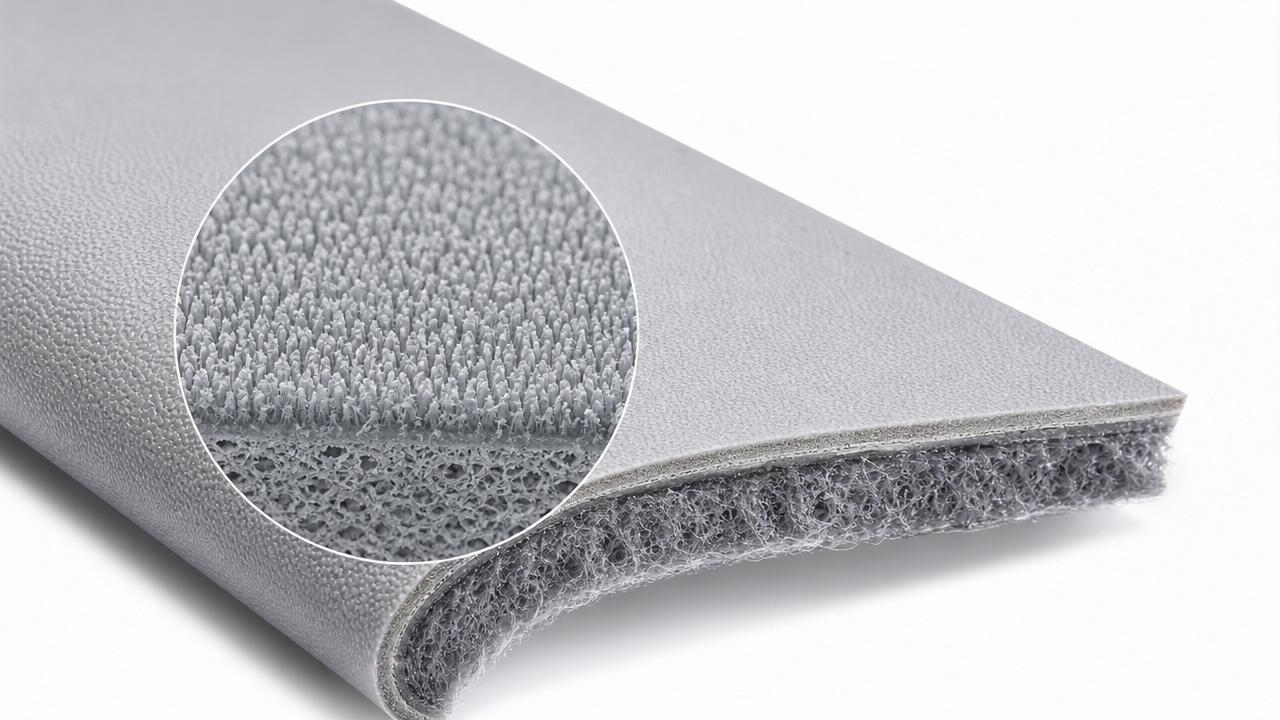
On May 13, 2026, the Gulf Standardization Organization (GSO)’s GCC Conformity Mark Certification Center issued an urgent notice to all registered Chinese suppliers, requiring immediate compliance with ISO 18184:2026 for antiviral activity testing on Tech Textiles–classified products—including antimicrobial/antiviral wallpapers and decorative fabric substrates—intended for G-mark certification. This update effectively supersedes prior reliance on ISO 20743 (antibacterial testing only), marking a significant tightening of technical requirements for market access in the Gulf Cooperation Council (GCC) region.
Event Overview
The GCC Certification Center, under the GSO, emailed all registered Chinese suppliers on May 13, 2026, mandating that, effective immediately, all new and pending G-mark applications for Tech Textiles products must include a valid ISO 18184:2026 test report confirming antiviral efficacy against two coronaviruses: HCoV-229E and SARS-CoV-2. ISO 20743–only reports are no longer accepted for these product categories.
Industries Affected
Direct Exporters & Trading Enterprises: These firms face immediate certification delays and potential shipment holds if existing or planned wallpaper exports lack ISO 18184:2026 validation. Compliance gaps may trigger re-submission of applications, extended lead times, and renegotiation of delivery terms with GCC importers.
Raw Material Suppliers: Companies supplying antiviral agents (e.g., metal-ion complexes, quaternary ammonium compounds, or novel biopolymer additives) to wallpaper manufacturers must now ensure their formulations have been validated per ISO 18184:2026—not just ISO 20743—in relevant end-product configurations. This shifts technical due diligence upstream and may require reformulation or co-testing partnerships.
Manufacturers & Converters: Wallpaper producers using coated, laminated, or impregnated textile substrates must verify whether their current production batches meet the new antiviral performance threshold across both specified viruses. Process consistency, substrate–additive interaction, and post-finishing durability become critical verification points—not merely initial lab pass/fail outcomes.
Supply Chain Service Providers: Third-party testing labs, certification consultants, and logistics documentation specialists must update their service scopes, quotation templates, and compliance checklists. Labs accredited for ISO 18184:2026 (especially with HCoV-229E and SARS-CoV-2 protocols) will see increased demand; non-accredited providers risk losing client engagements.
Key Focus Areas & Recommended Actions
Verify Existing Product Certifications Against the New Requirement
Exporters and manufacturers should audit active G-mark certificates and pending applications to identify which wallpaper SKUs fall under the Tech Textiles classification and whether they currently hold ISO 18184:2026 reports. Products certified solely under ISO 20743 must be re-evaluated before further shipments.
Engage Accredited Laboratories Early for ISO 18184:2026 Testing
Given limited global capacity for SARS-CoV-2–based antiviral testing under ISO 18184:2026, lead times may extend beyond eight weeks. Firms should prioritize engagement with labs accredited by GSO-recognized bodies (e.g., UKAS, DAkkS, or SAS) and confirm virus strain coverage prior to sample submission.
Review Technical Documentation for Substrate–Additive Compatibility
Antiviral efficacy is highly dependent on material matrix, surface morphology, and environmental stability. Manufacturers should request full test reports—not just summaries—from additive suppliers, including data on viral log-reduction after accelerated aging, abrasion, and humidity exposure, as required by Clause 7 of ISO 18184:2026.
Update Contracts and Compliance Clauses with GCC Importers
Commercial agreements should explicitly reference compliance with GSO/GCC’s updated Tech Textiles requirements, including responsibility for retesting costs and liability for non-compliant consignments. Clear language on ‘certification validity’ post-May 13, 2026, helps mitigate disputes.
Editorial Perspective / Industry Observation
Analysis shows this requirement reflects a broader regional shift from generic ‘antimicrobial’ claims toward pathogen-specific, clinically relevant antiviral validation—particularly for high-touch interior surfaces in healthcare, hospitality, and public infrastructure projects across GCC states. Observably, it also signals growing alignment between GSO and EU-level expectations (e.g., EN 14476), though ISO 18184:2026 remains more accessible for industrial-scale textile testing than viral suspension assays. From an industry perspective, this is less a temporary adjustment and more a structural recalibration: antiviral functionality is now being treated as a regulated performance attribute—not a marketing feature—for certain decorative materials.
Conclusion
This update underscores that regulatory convergence in functional textiles is accelerating—not slowing—and that GCC markets are increasingly adopting evidence-based, pathogen-targeted benchmarks. For exporters, the takeaway is not simply about passing one more test, but about embedding verifiable, reproducible antiviral performance into product development, supply chain governance, and technical documentation systems. A reactive, certificate-only approach is no longer sufficient.
Source Attribution
Official notice issued by the GCC Certification Center, Gulf Standardization Organization (GSO), dated May 13, 2026. Email notification distributed to registered Chinese suppliers via GSO’s official supplier portal. Note: GSO has not yet published a public version of the notice on its website; the text remains accessible only to registered entities. Updates on implementation timelines, transitional arrangements, and list of approved laboratories remain under observation and are expected to be clarified in Q3 2026.
Industry Briefing
Get the top 5 industry headlines delivered to your inbox every morning.