Alibaba.com Launches Dedicated Inspection Channel for Digital Locks and Smart Cabinets
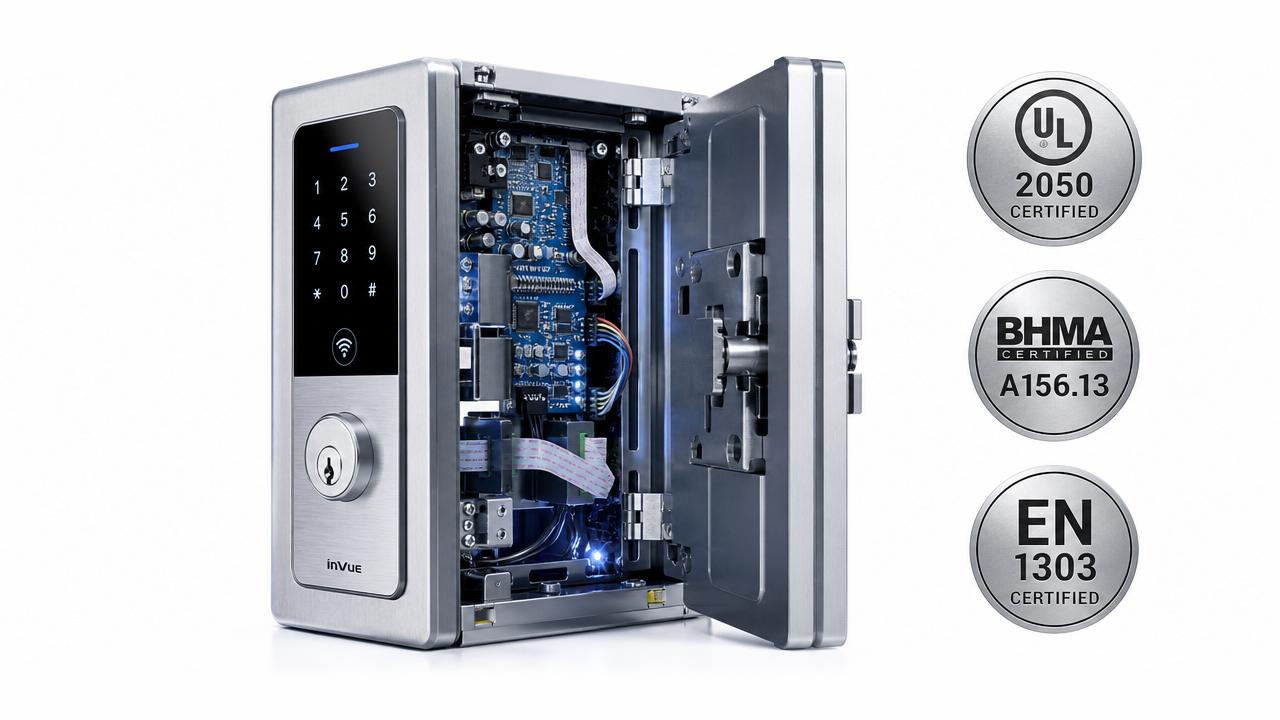
On May 27, 2026, Alibaba.com launched a dedicated inspection service for digital locks and smart cabinets — covering on-site verification against UL 2050 (security-grade), ANSI/BHMA A156.13 (durability), and EN 1303 (lock grade) standards. This development is particularly relevant for global importers, OEM/ODM manufacturers, and compliance officers in the smart access control, commercial security, and integrated building systems sectors — as it directly addresses long-standing trust gaps around technical compliance in cross-border procurement of intelligent hardware.
Event Overview
On May 27, 2026, Alibaba.com officially introduced a dedicated order-following inspection channel for the Digital Locks & Smart Cabinets category. The service is delivered in collaboration with third-party inspection bodies including SGS and TÜV Rheinland. It includes on-site verification against three internationally recognized standards: UL 2050 (for high-security applications), ANSI/BHMA A156.13 (for mechanical durability), and EN 1303 (for lock cylinder performance). Buyers are covered by an upgraded order protection clause: full refund if inspection fails.
Industries Affected
Direct Trading Enterprises (e.g., Importers, Distributors)
These enterprises often act as intermediaries between overseas buyers and Chinese suppliers. They face increased due diligence expectations when quoting or fulfilling orders involving certified smart hardware. The new channel introduces a standardized, third-party-verified benchmark — shifting some compliance risk from the buyer to the platform-supervised inspection process. Impact manifests in tighter pre-shipment validation requirements and potential renegotiation of liability clauses in supply agreements.
Contract Manufacturers & OEM/ODM Suppliers
Suppliers producing digital locks or smart cabinets for international markets must now anticipate more frequent, specification-specific inspections tied to actual orders — not just factory audits. Since UL 2050 and EN 1303 involve functional testing under controlled conditions (e.g., forced entry resistance, cycle life), production lines and QA protocols may need alignment with these test parameters. Non-compliance triggers automatic order cancellation and refund — increasing cost-of-failure exposure.
Supply Chain Service Providers (e.g., Customs Brokers, Compliance Consultants)
These providers support documentation, certification strategy, and regulatory navigation. With Alibaba.com now embedding standard-specific inspection into transaction flow, demand may shift toward services that bridge gap between product-level certification (e.g., full UL listing) and transaction-level verification (e.g., UL 2050 field test per batch). Their advisory scope may expand to include interpretation of pass/fail criteria in real-time inspection reports.
What Relevant Enterprises or Practitioners Should Monitor and Do Now
Track official scope definitions and rollout phasing
The current announcement confirms coverage of UL 2050, ANSI/BHMA A156.13, and EN 1303 — but does not specify whether all sub-clauses (e.g., UL 2050 Class I vs. Class II) are uniformly applied, or whether sampling protocols vary by order value or destination market. Enterprises should monitor Alibaba.com’s official seller guidelines for updates on eligibility thresholds and regional applicability.
Verify alignment between existing certifications and inspection criteria
Having a UL-listed product does not guarantee passing UL 2050 on-site verification — which tests installed system behavior, not just component compliance. Suppliers should cross-check their current certifications against the exact test methods referenced in the inspection protocol (e.g., ANSI/BHMA A156.13 Section 4.3 for latch bolt endurance), and assess whether factory test equipment replicates those conditions.
Prepare documentation for inspection handover
The service requires suppliers to provide technical documentation (e.g., cut sheets, installation manuals, firmware version logs) prior to inspection. Delays or inconsistencies here can stall verification. Enterprises should designate internal points of contact trained to respond rapidly to document requests and clarify technical interpretations during inspection scheduling.
Review order terms and insurance coverage
While the platform offers full refund upon inspection failure, this does not cover indirect losses (e.g., project delays, contractual penalties with end customers). Companies should evaluate whether existing trade credit or product liability insurance policies account for scenarios where platform-verified shipments later fail end-user acceptance testing.
Editorial Perspective / Industry Observation
Observably, this initiative functions less as a standalone certification program and more as a transaction-layer compliance checkpoint — designed to reduce friction in low-trust, high-specification procurement. Analysis shows it reflects growing pressure on B2B platforms to absorb verification complexity previously borne entirely by buyers. From an industry perspective, it signals a shift toward modular, order-linked assurance — distinct from traditional factory-level certifications that remain essential but insufficient for real-time transaction confidence. It is currently best understood as an operational signal rather than a regulatory milestone: its impact will depend on adoption rate, consistency of inspector training across regions, and how frequently failed inspections trigger broader supplier delisting or quality interventions.
This is not yet a substitute for independent certification — but it may become a de facto prerequisite for competitive positioning on Alibaba.com in these categories. Continued observation is warranted on whether similar channels emerge for adjacent categories (e.g., smart doorbells with privacy certifications, or fire-rated electronic hinges).
Conclusion: The launch represents a targeted infrastructure upgrade in cross-border smart hardware trade — one that recalibrates accountability between platforms, suppliers, and buyers at the point of transaction. It does not replace formal certification, but introduces a new, enforceable checkpoint for technical claims. For stakeholders, the current implication is procedural, not strategic: readiness hinges on documentation discipline, test-method awareness, and responsiveness — not broad compliance overhauls.
Source: Official announcement by Alibaba.com dated May 27, 2026. Scope and participating inspection agencies (SGS, TÜV Rheinland) confirmed in public release. No additional policy documents or implementation timelines beyond the initial announcement have been published as of this writing. Ongoing developments — including expansion to other standards or categories — remain subject to official updates.
Industry Briefing
Get the top 5 industry headlines delivered to your inbox every morning.