
EU Rule Takes Effect on Digital Lock Exports
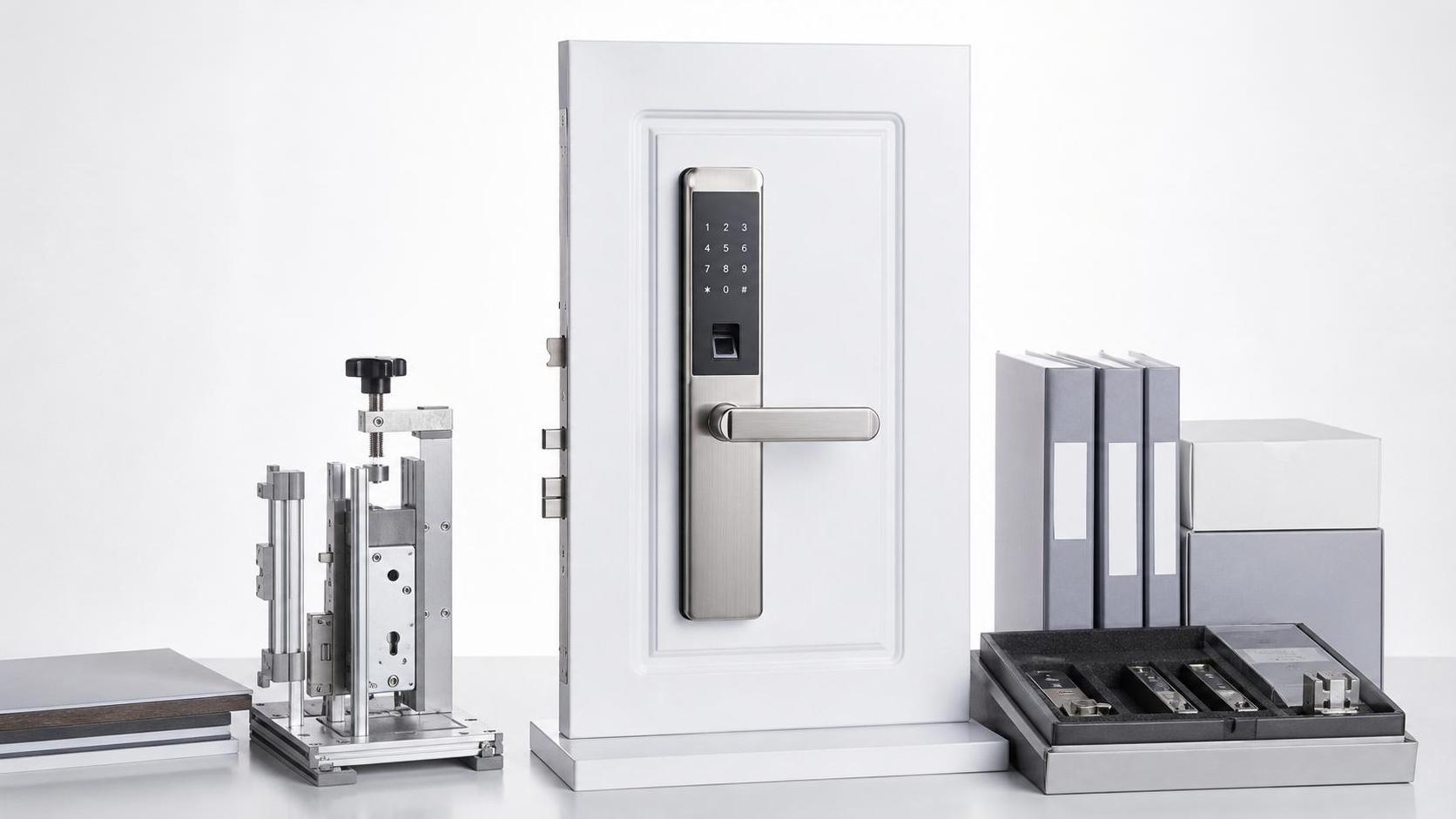
On July 18, 2026, the EU put the revised building security standard EN 13084:2026 into force for Digital Locks entering the European market. The immediate point of attention is not only product compliance, but also the knock-on effect on export access, type testing schedules, and CE technical documentation. For Chinese exporters, European distributors, system integrators, and property developers, this is now a practical market-entry threshold rather than a policy item to monitor from a distance.
What the new requirement now covers
According to the provided information, the EU has made EN 13084:2026 mandatory from July 18, 2026. Under this revised standard, all Digital Locks entering the EU market must be certified for a newly added impact-resistance level, Class 3B, and for an integrated remote audit log function. The change directly affects product access for Chinese exporters, the timing of type testing, and the need to update CE technical documentation. Products that do not comply may be refused entry by customs authorities in EU member states or removed from the market.
Where the pressure will be felt first
Export access moves from commercial issue to compliance gate
From an industry perspective, direct trade companies are likely to feel the impact first because the rule applies at the point of entry into the EU market. The main business effect is whether a product can be shipped, cleared, and kept on sale without interruption. What deserves closer attention is the readiness of certification status and supporting technical files before shipment decisions are made.
Manufacturing timelines may tighten around testing and documentation
For processing and manufacturing businesses, the stated impact on type testing cycles and CE technical documentation means product preparation cannot be treated as a routine continuation of earlier models. The likely pressure point is the coordination between product configuration, certification work, and delivery timing. Companies in this part of the chain need to watch whether existing export models already match the new requirements or whether documentation and testing steps create delays.
European channels and project buyers face an immediate screening standard
For distributors, system integrators, and property developers in Europe, the new standard creates an immediate compliance screen in procurement and project selection. The key business impact is whether products under consideration can satisfy the new entry and on-market requirements. In practical terms, procurement review, supplier qualification, and project delivery planning all become more dependent on proof of conformity under EN 13084:2026.
What companies should watch now
Check whether current export models match the new certification scope
The first practical issue is whether products intended for the EU already cover both the Class 3B impact-resistance requirement and the integrated remote audit log function in their compliance pathway. This matters because market access is now tied to those points directly.
Reassess testing lead times against delivery commitments
Analysis shows that the reference to type testing cycles is a signal to revisit delivery planning. Where shipments, tenders, or project schedules depend on pre-existing assumptions, businesses should compare those assumptions with the revised certification workload and timing.
Update CE documentation without treating it as a paperwork formality
The provided information explicitly links the rule to CE technical documentation updates. What deserves closer attention is whether documentation is complete, current, and aligned with the certified product configuration, because customs refusal or product removal is tied to non-compliance rather than only to product design in isolation.
Align supplier and customer communication early
For companies serving European channels, communication now matters at both ends of the chain. Suppliers need clarity on certification status and document readiness, while buyers need confirmation that products can pass the new compliance threshold. This is especially relevant where procurement decisions are already underway.
Why this looks like an operational shift, not a distant signal
Observably, this development is better understood as an active compliance change rather than an early-stage policy indication, because the effective date has already arrived and the consequences described are immediate: customs refusal, delisting risk, and procurement barriers. At the same time, it is more appropriate to understand the broader market effect as still unfolding, since the provided information confirms the rule and its direct compliance implications, but does not establish how quickly every participant will adapt in practice.
How to read this development now
At this stage, the industry significance lies in the fact that EN 13084:2026 has turned two specific product capabilities, impact resistance at Class 3B and integrated remote audit logging, into concrete access conditions for Digital Locks entering the EU. For affected businesses, this should be read as an immediate compliance threshold with wider commercial consequences, while the full extent of downstream supply-chain adjustment still deserves continued observation.
About the basis of this article
This article is based on the user-provided news title, event date, and event summary. For developments of this kind, common source types may include official notices, company disclosures, industry association updates, coverage by authoritative media, and standard-organization documents. A specific official source link was not provided in the input, so further verification remains necessary. Continued attention should focus on any follow-up official wording, implementation details, and market-side responses related to certification, documentation, and procurement execution.
Industry Briefing
Get the top 5 industry headlines delivered to your inbox every morning.