
Saudi SASO Adds PAD Testing to Digital Lock Certification
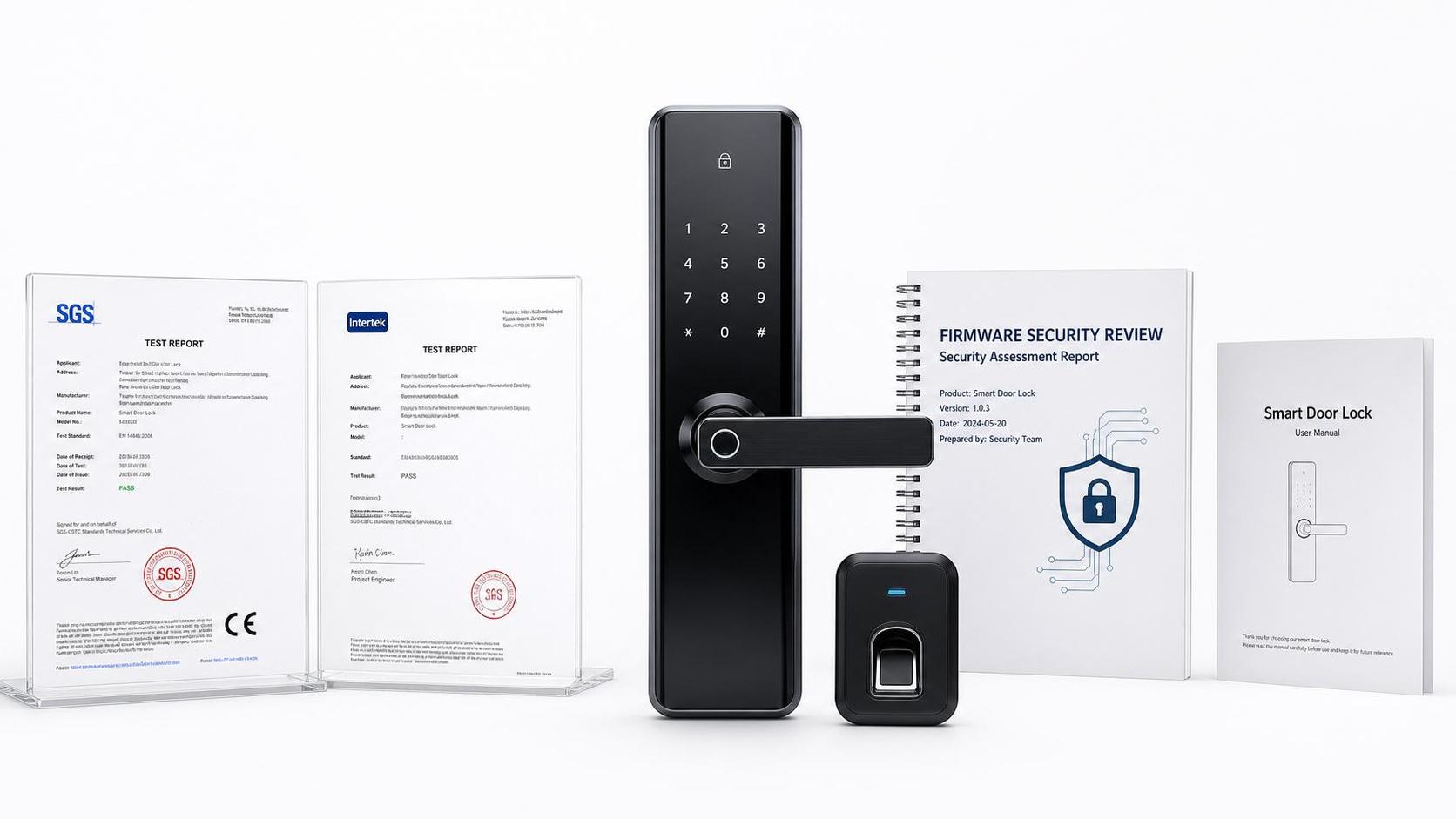
On July 14, 2026, Saudi Arabia's SASO put a new SABER certification platform for digital locks into operation, turning biometric anti-spoofing testing, Arabic-language documentation, and firmware security review into immediate compliance checkpoints for market access. For manufacturers, exporters, importers, certification teams, e-commerce sellers, and after-sales operators involved in smart lock products, this is worth close attention because it affects not only product approval, but also listing continuity, document readiness, and delivery planning ahead of the September 1, 2026 delisting point for products that do not complete the new certification.
What the platform change formally requires
According to the provided event summary, SASO officially launched the updated SABER system for Digital Locks, version 3.2, on July 14, 2026. Under this update, all Digital Locks are required to pass the Presentation Attack Detection (PAD) biometric template anti-spoofing test specified in ISO/IEC 30107-3:2026.
The same update also requires submission of a localized Arabic user manual and a firmware security audit report. The provided information further states that previously registered products that do not complete the new certification will be automatically removed from e-commerce platforms starting September 1, 2026.
Where the immediate pressure is likely to appear
Access approval is no longer only a product file issue
From an industry perspective, manufacturers and export-oriented suppliers are likely to feel the impact first because the rule change connects market entry to both technical testing and supporting compliance documents. The practical effect is that certification preparation for smart locks may now need coordination across product design, biometric feature validation, technical file management, and software security review rather than being handled as a narrow registration step.
Trade and channel operations may face timing risk
For trading companies, distributors, and e-commerce channel operators, the key issue is continuity of sellable stock. The delisting date mentioned in the provided information means that products already registered are not insulated from the new requirement. Analysis shows that shipment scheduling, listing maintenance, and inventory turnover may all depend on whether the new certification file can be completed within the available window.
Testing and certification service workflows may become a bottleneck
Certification service providers and testing-related organizations may be affected because the new platform requirement ties approval to a named standard, ISO/IEC 30107-3:2026, and to additional submission materials. What deserves closer attention is whether companies have the required test evidence, Arabic-language documentation, and firmware audit materials prepared in a form accepted by the updated system. Even without further execution details in the input, the compliance workload clearly shifts toward more complete technical substantiation.
After-sales and documentation teams also enter the compliance chain
The requirement for a localized Arabic user manual means compliance is not limited to laboratory or registration functions. After-sales support teams, technical writers, and product management functions may also need to review whether user-facing documentation aligns with the certified product version and is ready for submission. Observably, documentation quality becomes part of market access readiness rather than a post-sale support matter alone.
What companies should check now
Review whether affected models fall within the updated certification scope
Companies handling Digital Locks should first confirm which active or pipeline products rely on the certification path affected by the updated SABER platform. This is especially relevant for models already registered, because the provided information indicates that existing registrations do not automatically remain valid if the new certification is not completed.
Verify the availability of PAD test evidence
Analysis shows that the PAD requirement is the most direct technical threshold in the update. Businesses should review whether the relevant products already have testing aligned with ISO/IEC 30107-3:2026, whether existing reports match the newly required scope, and whether any product variant differences could affect submission readiness. The input does not provide execution details beyond the requirement itself, so this remains an area for close procedural follow-up.
Prepare Arabic manuals and firmware audit materials as submission documents
The requirement to provide a localized Arabic user manual and a firmware security audit report means document packs should be reviewed as part of compliance preparation, not after certification begins. Export teams, compliance managers, and suppliers should pay attention to version control between the product being shipped, the manual being submitted, and the firmware under audit.
Recheck delivery plans against the September deadline
Because the provided information sets September 1, 2026 as the point from which uncertified registered products will be automatically removed from e-commerce platforms, companies should assess listing exposure, shipment timing, and procurement commitments linked to affected models. It is more appropriate to understand this as a practical deadline for commercial continuity, even though the input does not specify how individual transactions, channel inventories, or existing orders will be handled in detail.
How this change is best understood at this stage
Observably, this is more than a routine platform upgrade. The update combines three types of compliance signals in one move: biometric anti-spoofing performance, localized user documentation, and firmware security review. Analysis shows that the market is being asked to treat smart lock certification as a product, software, and user-information package rather than as a hardware-only approval process.
At the same time, it would be premature to overstate downstream outcomes. The provided information confirms the new requirements and the delisting consequence, but it does not define detailed review criteria, processing timelines, or channel-specific enforcement practice. For that reason, this is best read as an implemented rule change with immediate execution implications, while the finer points of enforcement still need continued observation.
Why the update matters beyond the announcement itself
For the digital lock business, the significance of this development lies in its operational effect: certification status, listing continuity, and document readiness are now more tightly linked under the updated SASO process. A neutral reading is that the change has already moved beyond policy signaling and into execution, but the exact market impact will depend on how certification reviews, document acceptance, and platform enforcement are applied in practice over the coming period.
Basis of this article
This article is generated from the user-provided news title, event date, and event summary. For developments of this kind, relevant source types typically include official regulator announcements, releases from certification or market supervision bodies, standard-setting organization documents, trade administration notices, industry association updates, and reporting by authoritative industry media.
No specific official source link was provided in the input, so the underlying official publication path still requires follow-up verification. What should continue to be monitored includes any further SASO clarification, certification implementation guidance, document acceptance practice, changes in tender or procurement documentation, market feedback from affected companies, and the pace at which existing registered products complete the updated certification process.
Industry Briefing
Get the top 5 industry headlines delivered to your inbox every morning.