
UL Draft Adds EMP Test for Digital Locks
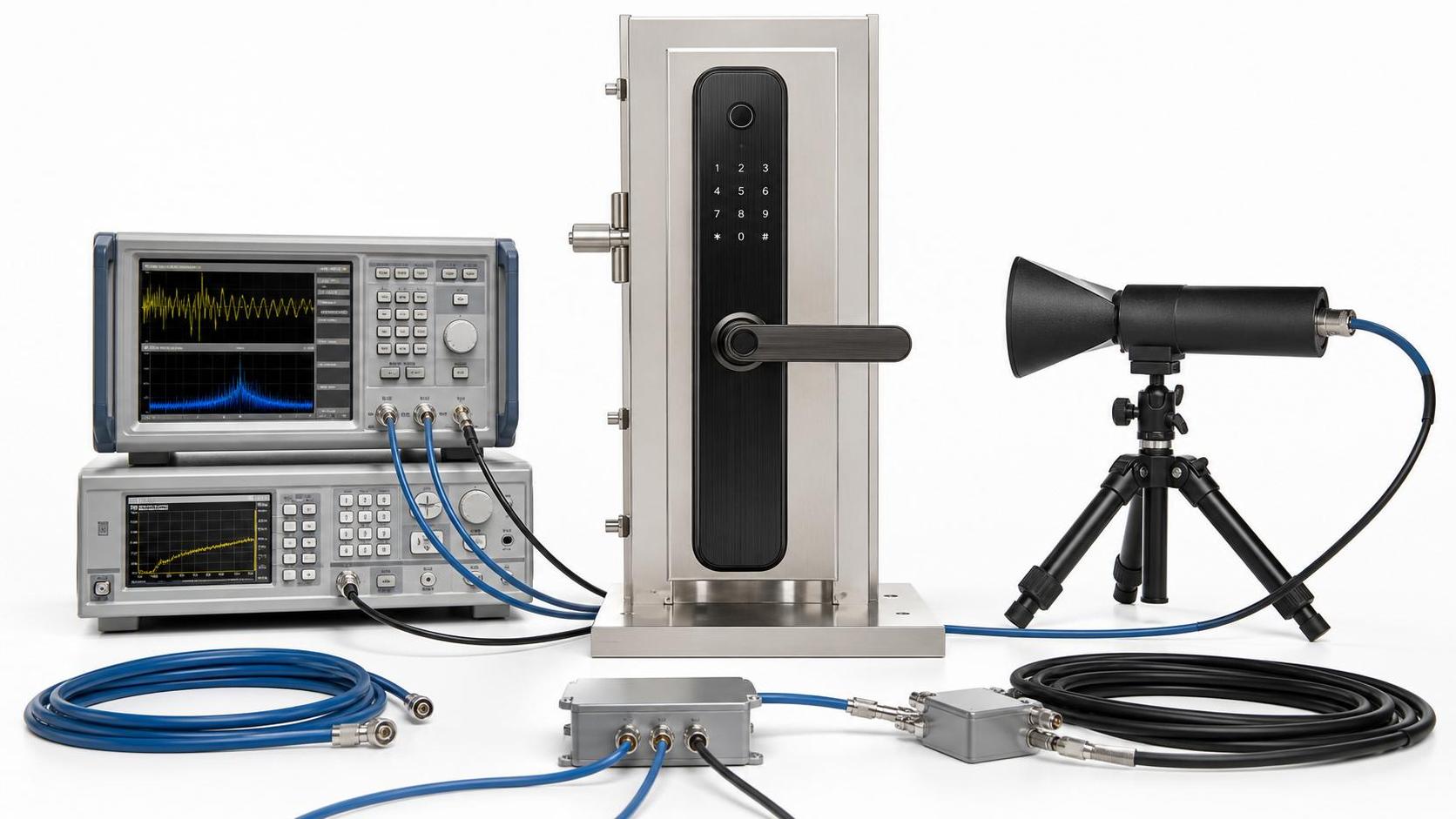
The timing of the event itself is not explicitly stated in the source input, but the disclosed regulatory development is clear: UL published the UL 60730-2-10:2026 draft on July 12, 2026, introducing a mandatory EMP immunity test for Digital Locks. For manufacturers, certification holders, testing-related businesses, buyers, and delivery teams connected to smart lock products, this matters because it signals a new compliance checkpoint that may affect product validation, certificate maintenance, procurement screening, and shipment planning ahead of the expected enforcement window.
What the draft specifically introduces
According to the provided information, UL made public the new UL 60730-2-10:2026 draft on July 12, 2026. The draft adds a mandatory EMP immunity test item for Digital Locks. Under the new requirement, the lock body must maintain normal logic and communication functions under transient pulses of ±5kV. The input also states that the standard is expected to become mandatory in Q2 2027, and that products already holding certification are required to complete supplemental testing filing by December 2026.
Where the operational pressure may appear first
Product makers may face a narrower certification margin
From an industry perspective, manufacturers of Digital Locks are the first group likely to feel the impact because the draft introduces an added technical verification item tied directly to product performance under EMP disturbance. The business effect may show up in product validation schedules, certification review preparation, technical file updates, and decisions on whether existing certified models need additional internal checks before supplemental filing.
Certificate holders and export-facing businesses need to watch timing closely
For businesses already selling certified products, the stated December 2026 supplemental testing filing deadline is likely to become a practical compliance milestone. Analysis shows that this can affect export documentation readiness, product listing continuity, and delivery coordination where buyers or channel partners rely on current certification status. What deserves closer attention is whether sales teams, compliance teams, and customers are aligned on which models may require follow-up testing documentation before shipment or contract execution.
Procurement and channel partners may tighten qualification review
Buyers, distributors, and channel-side operators may be affected because a new mandatory test item can change how product qualification is checked during sourcing and order confirmation. Observably, the issue is not only whether a lock product is certified, but whether the certification or supporting file will remain current once the new requirement moves toward mandatory enforcement. In practice, procurement teams may need to pay closer attention to test reports, certification status statements, and supplier explanations on the transition timetable.
Testing and certification service providers may see transitional workload shifts
Testing-related and certification-related service providers may also be affected, since the draft creates a new review point tied to both new projects and already certified products. Analysis shows that their role may expand in document review, test scheduling, supplemental filing support, and interpretation of implementation language once additional official wording becomes available. At this stage, however, the input does not provide detailed execution procedures, so any workload or timing impact remains an observation rather than a confirmed outcome.
What companies should review now
Check whether current models fall within the transition window
Companies dealing in Digital Locks should first identify which existing certified products may be affected by the supplemental testing filing requirement stated for December 2026. This is a practical screening step for product portfolios, certification records, and current sales models.
Revisit technical documents tied to logic and communication performance
Because the draft requirement refers specifically to maintaining normal lock logic and communication functions under ±5kV transient pulses, businesses should review whether their current technical documents, validation records, and compliance files are organized around those points. This is especially relevant where product claims, tender materials, or customer qualification documents reference operating reliability or communication stability.
Align procurement and delivery planning with compliance timing
Where supply contracts, tenders, or export deliveries extend into the expected Q2 2027 mandatory period, companies should pay attention to whether compliance timing could affect order confirmation, model selection, or supplier qualification. Analysis shows that this is less about predicting disruption and more about preventing avoidable gaps between certification status and delivery commitments.
Track later implementation wording before treating it as a settled execution rule
The draft status and the expected future mandatory date mean businesses should continue monitoring how the requirement is formally expressed and applied in certification practice. What deserves closer attention is the later execution wording, documentation expectations, and any market-facing use of the new test requirement in customer specifications or bid documents.
Why this looks like both a compliance signal and a monitoring issue
Analysis shows that this development should not be read only as a technical test update. It also functions as a compliance signal for the smart lock segment, because it connects product performance under EMP conditions to formal certification expectations. At the same time, it is more appropriate to understand this as a rule change in transition rather than a fully completed enforcement outcome, since the input describes a draft, an expected mandatory implementation in Q2 2027, and a supplemental filing deadline for currently certified products, but does not provide the detailed execution language behind those steps.
How the market should interpret the update at this stage
At this stage, the draft is best understood as an actionable regulatory development with clear preparation value. The confirmed facts already point to a new mandatory test item and a defined transition timetable for currently certified products. Even so, a measured reading is still necessary: the immediate significance lies in compliance preparation, certificate review, procurement screening, and delivery planning, while the full market effect will depend on how the rule is implemented in certification practice and reflected in commercial requirements.
Basis of this article and what still needs verification
This article is generated based on the user-provided news title, event timing, and event summary. For developments of this type, commonly relevant source categories may include official announcements, regulator publications, trade authority information, industry association notices, standards organization documents, and reporting by established industry media. The specific official source link was not provided in the input, so continued verification is still necessary. Items that still warrant follow-up include later policy wording, certification implementation interpretation, changes in tender or procurement documents, market feedback, and how affected companies execute the transition in practice.
Industry Briefing
Get the top 5 industry headlines delivered to your inbox every morning.