What smart lock technology features matter most today?
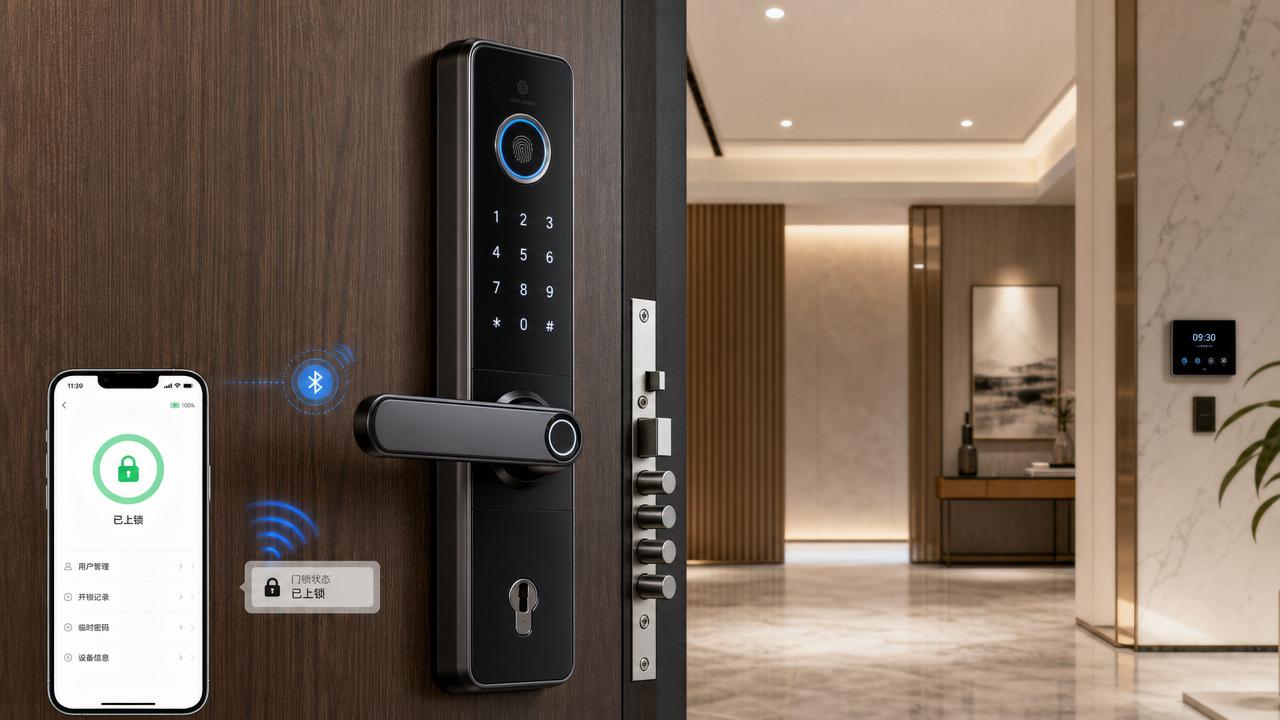
From keyless entry and biometric access to app control and real-time alerts, smart lock technology is redefining how consumers protect their homes. But with so many options on the market, which features truly matter today? This article explores the most valuable functions in modern smart locks, helping you choose a solution that balances security, convenience, and seamless everyday living.
Which smart lock technology features matter most for everyday home use?
For most consumers, smart lock technology is no longer just a novelty. It sits at the intersection of home security, interior design, connected living, and building-material decision-making. In GIAM’s view, a smart lock should not be evaluated as a standalone gadget only. It should be judged as part of a wider residential system that includes door structure, hardware durability, digital access behavior, and long-term living comfort.
The most important features today usually fall into three groups: security strength, access convenience, and ecosystem compatibility. A lock may look advanced because it offers mobile control, but if its physical construction is weak or its battery alerts are unreliable, the user experience will quickly suffer. Likewise, a highly secure lock that frustrates family members, guests, or older residents may not fit real household needs.
That is why smart lock technology should be assessed through practical questions. Can it protect against forced entry? Can it support multiple users without confusion? Can it work smoothly with the door you already have? Can it integrate with your smart home without creating security gaps? These are the decisions that matter far more than marketing buzzwords.
- Security basics come first: strong deadbolt structure, tamper resistance, encrypted communication, and clear access logs.
- Convenience should be flexible: keypad PIN, app unlock, mechanical backup key, and temporary access codes for visitors.
- Daily reliability matters more than flashy features: stable battery performance, weather resistance, and low false rejection in biometric models.
- Compatibility affects total value: not every smart lock technology solution fits every door thickness, handle design, or smart home platform.
Why consumers are paying more attention now
The growth of urban living, short-stay hosting, parcel delivery concerns, remote family care, and app-based home management has changed expectations. Consumers now want entry systems that feel as intelligent as the rest of the home. GIAM tracks this shift as part of broader spatial evolution, where security hardware increasingly connects with sanitation, energy efficiency, and digital living standards in modern residences.
This is especially relevant in apartments, renovated homes, and mixed-use spaces where style and security need equal attention. A lock is visible every day. It must work with the architectural finish, not fight against it. That makes material quality, surface treatment, and ergonomic design part of the buying decision too.
How do the main smart lock technology options compare?
Before selecting a product, it helps to compare the common access methods in smart lock technology. Each option brings a different balance of speed, usability, maintenance, and security. The table below highlights what consumers should really compare rather than focusing only on price or appearance.
In practice, the best smart lock technology often combines at least two access methods. A fingerprint sensor plus keypad is a common high-value combination. It offers speed for regular users and backup flexibility when biometric reading is inconsistent. App control adds more visibility, especially for deliveries, cleaners, or relatives who need scheduled access.
The features that are often underrated
Many buyers focus on unlocking methods first, but long-term satisfaction often depends on less glamorous features. These include low-battery warning timing, emergency power options, lock status notifications, and the ability to reassign or delete users easily. If a family changes staff, tenants, or caregivers, access management becomes a real security issue.
- Auto-lock can improve routine security, but users should check whether delay timing is adjustable.
- Audit trails help confirm who entered and when, which is useful in shared households and small mixed-use properties.
- Temporary codes are valuable for deliveries, dog walkers, or cleaners because they reduce the need to share permanent credentials.
- Mechanical override remains important. Fully digital convenience should not eliminate emergency entry options.
What security functions should buyers prioritize first?
A smart lock is still a lock before it becomes a smart device. Consumers should therefore start with physical and digital security together. Smart lock technology must resist force, tampering, and unauthorized access attempts. A polished app cannot compensate for poor lock body quality or weak installation on a low-strength door frame.
Core security checklist
- Check the lock body and deadbolt design. Solid hardware and stable engagement with the strike plate are essential.
- Confirm encryption and secure communication standards for app-enabled models. This reduces the risk of credential interception.
- Look for anti-tamper alerts, failed-attempt lockout, and access record functions that support practical monitoring.
- Review battery and emergency power design. A secure lock should not become a usability failure during a power issue.
- Assess the door itself. Even advanced smart lock technology has limited value if the surrounding door, frame, or hinges are weak.
This broader view reflects GIAM’s cross-disciplinary perspective. In built environments, security performance depends not only on electronics but also on materials, architectural integration, and installation quality. Consumers making renovation or upgrade decisions should treat the lock, door leaf, frame alignment, and entryway usage pattern as one system.
Remote control is useful, but it should not create blind spots
Remote unlocking is one of the biggest appeals of smart lock technology, especially for package drop-off, family arrivals, or property access while traveling. Still, the best setups include permissions control. Not every user should have permanent full access. Good systems allow scheduled credentials, one-time codes, and clear revocation steps.
Consumers should also pay attention to app stability, software updates, and account recovery procedures. A strong feature list loses value if the user experience becomes unreliable after installation.
Which smart lock technology is best for different household scenarios?
The right choice depends heavily on who uses the door, how often it is used, and what kind of access control is needed. The table below helps consumers match smart lock technology features to real-life residential situations rather than buying on trend alone.
This comparison shows that there is no universal winner. Smart lock technology should fit household rhythm first. A premium biometric model may be ideal for a busy urban family, while a card-and-keypad model may work better for a multigenerational home where simplicity reduces stress and mistakes.
Apartment, villa, and renovation needs differ
In compact apartments, space efficiency and compatibility with existing doors often matter most. In detached homes, consumers may prioritize perimeter security, weather exposure, and smart home integration. In renovation projects, the biggest issue is often whether the new lock can fit the old door prep without major rework.
GIAM frequently highlights this systems-based decision logic across interior and architectural categories. Whether choosing sanitary fittings or entry hardware, the best result comes from matching product intelligence to actual spatial conditions, not from selecting the most feature-heavy item by default.
What should consumers check before buying and installing?
A good buying decision starts before comparing brands. Consumers should first confirm technical fit, usage pattern, and after-sales expectations. Smart lock technology can disappoint when buyers skip the basic compatibility checks and focus only on surface aesthetics or app screenshots.
Pre-purchase checklist
- Measure door thickness, backset, and existing bore hole positions to avoid installation mismatch.
- Confirm whether the door opens inward or outward and whether the handle orientation is adjustable.
- Review power supply details, battery type, expected life, and emergency charging options.
- Ask how user data, PIN codes, fingerprints, or access logs are managed and deleted.
- Check whether the lock works with your existing smart home platform if integration is important.
- Understand support scope: installation guidance, troubleshooting process, replacement parts, and software update policy.
Budget versus value: where to spend more
Consumers with limited budgets should spend more on reliable core performance rather than chasing every premium feature. In most homes, it is wiser to choose robust construction, stable keypad operation, and dependable alerts than to pay extra for advanced biometric functions that may not be used daily.
A mid-tier smart lock technology solution often delivers the best value when it includes a secure deadbolt, app notifications, access history, and at least one backup entry method. This combination usually supports both security and convenience without unnecessary complexity.
Are standards, materials, and data practices important in smart lock technology?
Yes. Consumers increasingly understand that smart lock technology is not just about opening a door. It also touches material durability, electronic reliability, and data handling. While exact certification requirements vary by market, buyers should look for reasonable evidence of product testing, clear specification disclosure, and practical compliance with residential hardware expectations.
Areas worth reviewing
- Material finish and corrosion resistance, especially for coastal, humid, or high-touch environments.
- Operating temperature and moisture tolerance if the entry is semi-exposed.
- Electrical and wireless compliance appropriate to the target market.
- Clear user-permission logic and data deletion process for app-managed or biometric systems.
This matters in the larger GIAM framework because building intelligence is becoming more integrated. Smart locks now sit alongside smart faucets, water-saving systems, and hygienic surfaces in the modern home. Consumers are no longer buying isolated products. They are building coordinated living environments where trust, maintenance, and digital transparency carry real value.
Common questions and misconceptions about smart lock technology
Are smart locks always safer than traditional locks?
Not automatically. Smart lock technology can add strong access control, monitoring, and convenience, but overall safety still depends on hardware quality, installation, door strength, and user management. A poorly installed smart lock may underperform a well-installed traditional high-quality lock.
Is fingerprint access the best choice for every home?
No. Fingerprint access is fast and appealing, but some households benefit more from keypad or card access. Homes with elderly residents, frequent service staff, or changing guest access often need flexible credential management more than maximum speed.
What happens if the battery runs out?
Most modern smart lock technology products provide low-battery alerts well before shutdown. Many also include emergency power contact points or a mechanical backup key. Buyers should confirm this before purchase because emergency access design varies significantly by product type.
Do I need full smart home integration?
Only if it improves your daily routine. Integration with lighting, cameras, or voice control can be useful, but it should not be the main buying reason. If your primary need is simple secure entry, a stable standalone smart lock technology solution may be more practical and easier to maintain.
Why choose us for smart lock technology insights and selection support?
GIAM approaches smart lock technology through the wider lens of architecture, materials, interior systems, and future living standards. That means consumers and project decision-makers can evaluate products not only by features, but by how they fit real doors, real households, and evolving residential expectations. Our intelligence perspective connects product selection with spatial design, material durability, and practical market direction.
If you are comparing smart lock options, you can contact us for focused support on the issues that usually delay decisions. These may include door compatibility review, access-method selection, product positioning by household scenario, expected delivery timing, finish and material considerations, certification-related questions for your market, and coordination with broader smart kitchen, bath, or interior upgrade plans.
- Ask for parameter confirmation before purchase if you are unsure about door thickness, lock type, or installation conditions.
- Discuss product selection based on family structure, remote access needs, and budget priorities.
- Request guidance on certification, material finish, and environmental exposure if the lock will be used in demanding conditions.
- Explore coordinated solutions if your project also involves smart sanitary spaces, building materials, or connected residential upgrades.
The right smart lock technology choice should make daily life safer, smoother, and easier to manage. With the right information, you can avoid overbuying, reduce compatibility risks, and select a lock that performs well not only on day one, but across years of real use.
Industry Briefing
Get the top 5 industry headlines delivered to your inbox every morning.