
Material science research trends shaping new surfaces
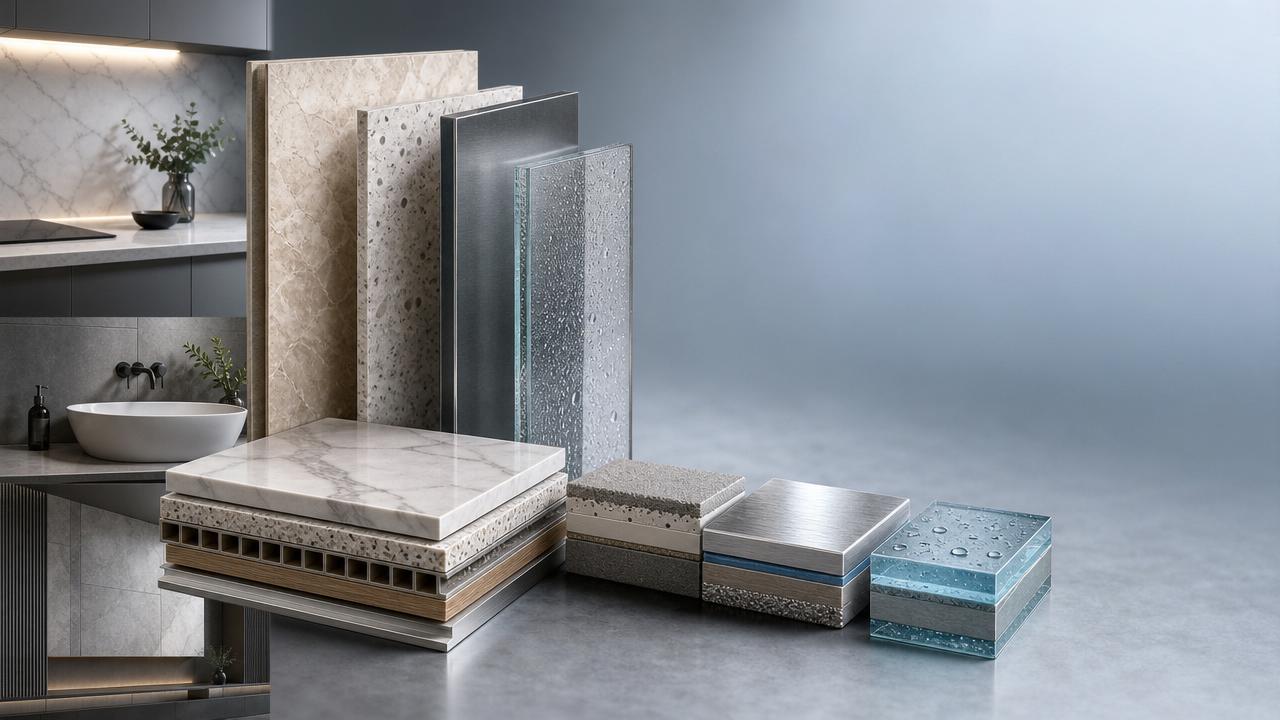
Material science research is redefining how new surfaces perform across architecture, sanitary spaces, and smart living environments. For technical evaluation, design planning, and long-term asset decisions, this shift is no longer a niche topic. It directly affects durability, hygiene, energy efficiency, maintenance cycles, and visual consistency across residential and commercial projects. As surface innovation moves beyond appearance and into functional performance, material science research is becoming a strategic lens for understanding which materials will hold value in the next generation of built space.
Why material science research is moving to the center of surface decisions
Several market signals show that surface selection is no longer guided only by cost, finish, or immediate availability. Across building materials, kitchen and bath systems, wall solutions, countertops, flooring, and sanitary environments, demand is shifting toward surfaces that can do more: resist microbes, reduce water marks, tolerate aggressive cleaning, lower embodied carbon, and interact with smart systems. In this context, material science research is shaping how specifiers compare ceramics, composites, engineered stone alternatives, laminates, coatings, and metal treatments.
The change is especially visible in high-use spaces. Bathrooms, healthcare-adjacent interiors, hospitality projects, rental housing, and mixed-use commercial properties now require surfaces that combine aesthetics with measurable performance. Material science research helps explain why nano-structured coatings repel contaminants, why recycled-content composites behave differently under moisture stress, and why low-porosity finishes are gaining relevance in hygiene-sensitive applications. This knowledge shortens the gap between laboratory development and real-world specification.
The strongest trend signals reshaping new surfaces
Current material science research points to a clear evolution: surfaces are becoming multifunctional systems rather than passive layers. The following signals are shaping market direction across the broader construction and interior ecosystem.
- Anti-bacterial and easy-clean technologies: Growing attention to hygiene is accelerating silver-ion treatments, photocatalytic coatings, and low-adhesion finishes for sanitary and food-adjacent spaces.
- Low-carbon material engineering: Material science research increasingly focuses on recycled inputs, lower-temperature processing, bio-based binders, and alternatives to carbon-intensive surface materials.
- High-durability thin surfaces: Lightweight yet impact-resistant surface systems are becoming more attractive where transport efficiency, installation speed, and structural load reduction matter.
- Water and stain resistance: New surface chemistries are improving long-term performance in kitchens, bathrooms, laundry zones, and outdoor transition areas.
- Smart and responsive finishes: Emerging surfaces can integrate sensing, thermal management, light interaction, or conductive behavior for intelligent built environments.
These trend signals matter because they align with a wider industry transition from decorative material selection to performance-led specification. In practical terms, material science research is influencing not only what gets manufactured, but also how projects are budgeted, certified, maintained, and upgraded over time.
What is driving these shifts in material science research
The momentum behind next-generation surfaces comes from converging technical, environmental, and commercial pressures. Material science research is responding to all of them at once, which is why innovation cycles are becoming faster and more application-specific.
For platforms focused on building materials and spatial intelligence, these drivers are interconnected. GIAM’s industry perspective is especially relevant here: standards, trade shifts, smart living expectations, and sustainability targets increasingly influence the practical value of every tile, panel, coating, and engineered surface entering the market.
How new surface trends are affecting real business and project decisions
The impact of material science research is not limited to laboratories or product launches. It changes decision-making at multiple stages of the value chain. In design development, teams now evaluate whether a surface can maintain appearance under repeated cleaning, UV exposure, hard water contact, or chemical agents. In sourcing, the question is expanding from “What is the price?” to “What is the performance risk over five to ten years?”
In sanitary and kitchen environments, surface innovation also affects user experience. Fingerprint resistance, anti-slip texture balance, scratch tolerance, and compatibility with smart hardware are becoming more important than purely visual finishes. Material science research gives these requirements a measurable framework, helping compare products based on test data rather than marketing language alone.
- For product development: More emphasis on multi-functionality, compliance readiness, and sustainable composition.
- For project planning: Higher attention to lifecycle cost, cleaning protocols, and durability under local climate and usage intensity.
- For brand positioning: Surface performance is becoming a differentiator in premium and smart-space categories.
- For after-sales value: Better material science research supports clearer maintenance guidance and fewer performance disputes.
The surface categories most likely to advance next
Not all materials will evolve at the same pace. Based on current material science research, several categories are especially likely to see rapid development in the near term.
Ceramic and sintered surfaces
These materials continue to benefit from improvements in density, print realism, stain resistance, and large-format production. Their relevance grows where hygiene, heat resistance, and visual consistency are priorities.
Engineered composites and recycled-content panels
Material science research is helping solve common trade-offs between recycled input content and mechanical stability. Better resin systems, fillers, and process controls are making sustainable surfaces more commercially viable.
Functional coatings and films
Advanced coatings are becoming a major innovation layer because they can upgrade existing substrates with anti-bacterial, anti-fingerprint, anti-graffiti, or self-cleaning performance without fully changing the base material.
Metal, glass, and hybrid smart surfaces
These surfaces are gaining importance in premium architectural and smart-system contexts, where conductivity, reflective control, or integrated sensing can create additional functional value.
What deserves close attention when evaluating material science research
Following trends is useful, but surface decisions become stronger when the right indicators are monitored. Material science research should be reviewed through an applied lens rather than as isolated technical novelty.
- Surface porosity and cleanability: Critical in kitchens, baths, and high-contact public interiors.
- Chemical and abrasion resistance: Essential for long-term appearance retention and maintenance planning.
- Thermal and moisture stability: Important in wet zones, façade-adjacent areas, and variable climates.
- Embodied carbon and recyclability: Increasingly tied to project standards and market access.
- Compatibility with smart systems: Relevant for touchless, sensor-based, or integrated control environments.
- Certification and test transparency: Necessary for comparing true performance across suppliers and regions.
A practical response framework for the next 12 to 24 months
Because material science research evolves quickly, a structured response is more effective than reacting to individual claims. The goal is to connect trend observation with measurable action.
The strongest next step is to treat material science research as an ongoing intelligence input rather than a one-time sourcing reference. Surface value now depends on how well technical performance, sustainability, and design flexibility work together. Organizations that continuously compare these dimensions will be better prepared for future building standards, smarter interiors, and higher expectations around hygiene and lifecycle quality.
For deeper visibility into how material science research is influencing core building materials, sanitary spaces, and smart kitchen and bath systems, GIAM provides a useful intelligence framework. Following data-driven trend analysis, application signals, and standards evolution can help turn surface innovation into more confident, better-timed decisions.
Industry Briefing
Get the top 5 industry headlines delivered to your inbox every morning.