
Shanghai Expo: Green Packaging for Bathware Exports
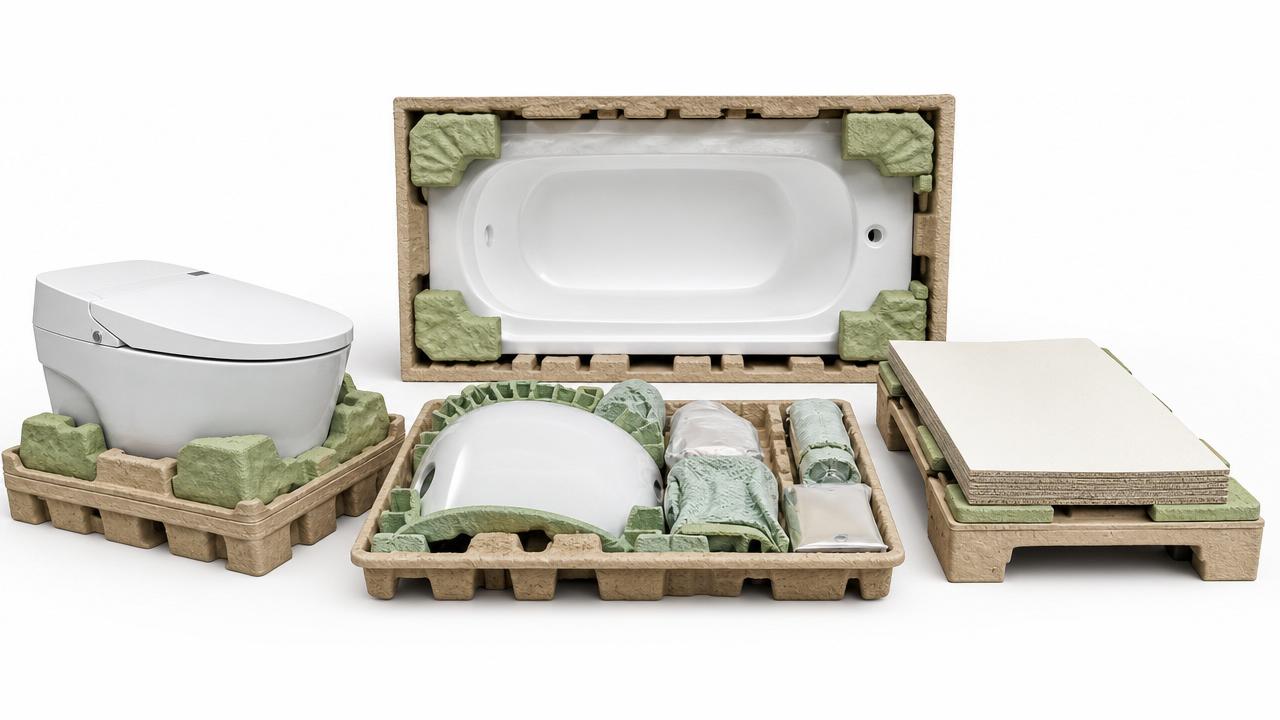
Image Distribution Plan
No image placeholders are included in this article, as the required number of image placeholders is 0.
On June 2, 2026, the Shanghai International Packaging Exhibition opened at the Shanghai World Expo Exhibition and Convention Center, placing certified biodegradable and bio-based export packaging in the spotlight for sanitary ware exporters because buyers are giving greater attention to EN13432 and ASTM D6400 aligned packaging solutions for smart toilets, bathtubs, and composite panels.
What Was Confirmed at the Packaging Exhibition
The event is scheduled for June 2 to 4, 2026, at the Shanghai World Expo Exhibition and Convention Center. According to the provided event summary, more than 60% of exhibitors introduced bio-based cushioning materials, molded fiber trays, and washable labels certified under EN13432 or ASTM D6400.
The displayed packaging products were positioned for export packaging applications involving complete smart toilet units, cast-iron bathtub components, and large composite panels. Buyers from the European Union, Canada, and South Korea also signed a joint green packaging procurement agreement at the exhibition site.
These are the confirmed facts available from the input. No additional company names, contract values, policy document numbers, or official source links were provided.
How Certified Green Packaging May Reshape Industry Roles
Export trading companies face higher documentation expectations
From an industry perspective, export trading companies may be among the first business roles affected because packaging is directly linked to customs documentation, buyer audits, purchase contracts, and shipment acceptance. When overseas buyers specify EN13432 or ASTM D6400 certified materials, traders may need to verify whether packaging suppliers can provide consistent certificates, test reports, product descriptions, and batch traceability records.
The impact is likely to appear in quotation preparation, contract review, pre-shipment checks, and communication with buyers in the European Union, Canada, and South Korea. Companies should pay attention to whether green packaging clauses become more visible in procurement specifications and whether buyers require proof that cushioning materials, molded trays, or labels match the certified products used in actual shipments.
Material procurement teams need closer supplier screening
Analysis shows that procurement teams sourcing packaging materials may need to compare bio-based cushioning materials, molded fiber trays, and washable labels not only by price and protection performance, but also by certification status and suitability for sanitary ware export scenarios. Smart toilets, cast-iron bathtubs, and large composite panels have different weight, surface protection, moisture resistance, and handling requirements.
The affected links may include supplier qualification, sample evaluation, certificate review, and inventory planning. Procurement teams should watch whether suppliers can clearly identify EN13432 or ASTM D6400 certification coverage, including the specific packaging material or label type covered by the certificate.
Manufacturers must align packaging with product protection needs
Manufacturing enterprises may be affected because packaging changes can influence assembly line packing methods, pallet loading, warehouse handling, and transport damage control. For sanitary ware products, packaging must support both environmental compliance and physical protection during export logistics.
For smart toilet units, manufacturers may need to assess cushioning stability and component protection. For cast-iron bathtub parts, they may need to review load-bearing performance and edge protection. For large composite panels, attention may shift to tray flatness, label washability, and surface protection during shipment. What deserves closer attention is whether certified green packaging can be introduced without weakening existing quality control and delivery reliability.
Supply chain service providers may need updated handling standards
Supply chain service providers, including warehousing, freight coordination, inspection, and packaging service teams, may also face operational adjustments. If buyers require certified biodegradable or bio-based packaging, logistics partners may need to avoid material substitution, mixing of certified and non-certified packaging, or undocumented repacking during storage and transport.
The business impact may appear in packing instructions, warehouse labeling, packaging material segregation, inspection records, and shipment handover procedures. Service providers should monitor whether joint procurement agreements signed by overseas buyers lead to more unified packaging acceptance rules in future orders.
Practical Priorities for Companies After the Exhibition
Verify certification scope before adopting new materials
Companies should not treat the presence of EN13432 or ASTM D6400 references as sufficient on its own. A practical next step is to check whether the certificate applies to the exact bio-based cushioning material, molded fiber tray, or washable label intended for export packaging. Certification names, material descriptions, validity information, and supplier documentation should be reviewed together before commercial use.
Match packaging design to sanitary ware product categories
The exhibition highlighted packaging solutions for smart toilets, cast-iron bathtub components, and large composite panels. Enterprises should evaluate packaging design by product category rather than applying one general green packaging format to all shipments. Weight distribution, vibration resistance, stacking conditions, moisture exposure, and label durability may differ significantly across these products.
Update procurement specifications and technical tender wording
If overseas buyers begin to include green packaging requirements in procurement documents, suppliers may need to revise product specifications, technical tender responses, and packaging clauses. The wording should distinguish certified materials, packaging structure, label type, and traceability requirements. This can reduce ambiguity when orders involve buyers from markets that are already emphasizing greener procurement practices.
Plan lead times for sampling, testing, and supplier approval
Switching from conventional export packaging to certified biodegradable or bio-based alternatives may require sample trials, transport simulation, internal approval, and buyer confirmation. Companies should consider these steps when preparing procurement schedules and delivery commitments. This is especially relevant when packaging must protect heavier bathtubs or larger composite panels during international shipment.
Industry Observation: Certification Is Moving Closer to Procurement Rules
Analysis shows that this event is more appropriately understood as a signal of buyer-side procurement adjustment rather than as a confirmed new regulation. The provided information confirms that buyers from the European Union, Canada, and South Korea signed a joint green packaging procurement agreement, but it does not provide a binding legal text or detailed enforcement rules.
From an industry perspective, the significance lies in the growing connection between packaging certification and export order competitiveness. When a large share of exhibitors present EN13432 or ASTM D6400 certified solutions, suppliers may face stronger pressure to demonstrate that export packaging is not only protective and cost-effective, but also aligned with recognized compostability or biodegradability standards.
Observably, sanitary ware exporters may need to treat packaging as part of the compliance package for overseas sales. However, it would be premature to conclude that certified biodegradable packaging has become a universal mandatory requirement across all markets. Companies should continue to distinguish confirmed buyer requirements from broader market trends.
A Measured Conclusion for Sanitary Ware Exporters
The Shanghai packaging exhibition highlights a clear direction: green, certified, and traceable packaging is becoming more visible in export procurement discussions for sanitary ware products. For companies shipping smart toilets, bathtubs, and composite panels, packaging choices may increasingly influence buyer communication, qualification review, and shipment acceptance.
The rational conclusion is that enterprises should prepare early, verify certifications carefully, and align packaging specifications with product protection needs. At the same time, they should avoid overinterpreting the event as a finalized regulatory mandate without further official or contractual evidence.
Source Note and Items to Monitor
This article is based on the provided news title, event date, and event summary. Specific official source links were not provided in the input and should be verified continuously.
For events of this type, companies would usually monitor official exhibition announcements, certification body guidance, buyer procurement documents, customs-related packaging requirements, and standard interpretation materials. Follow-up observation should focus on policy details, certification enforcement practices, changes in tender documents, buyer feedback, packaging test requirements, and the practical adoption of green packaging in export shipments.
Industry Briefing
Get the top 5 industry headlines delivered to your inbox every morning.