
China Imposes Zero Tariffs on All African Diplomatic Partners
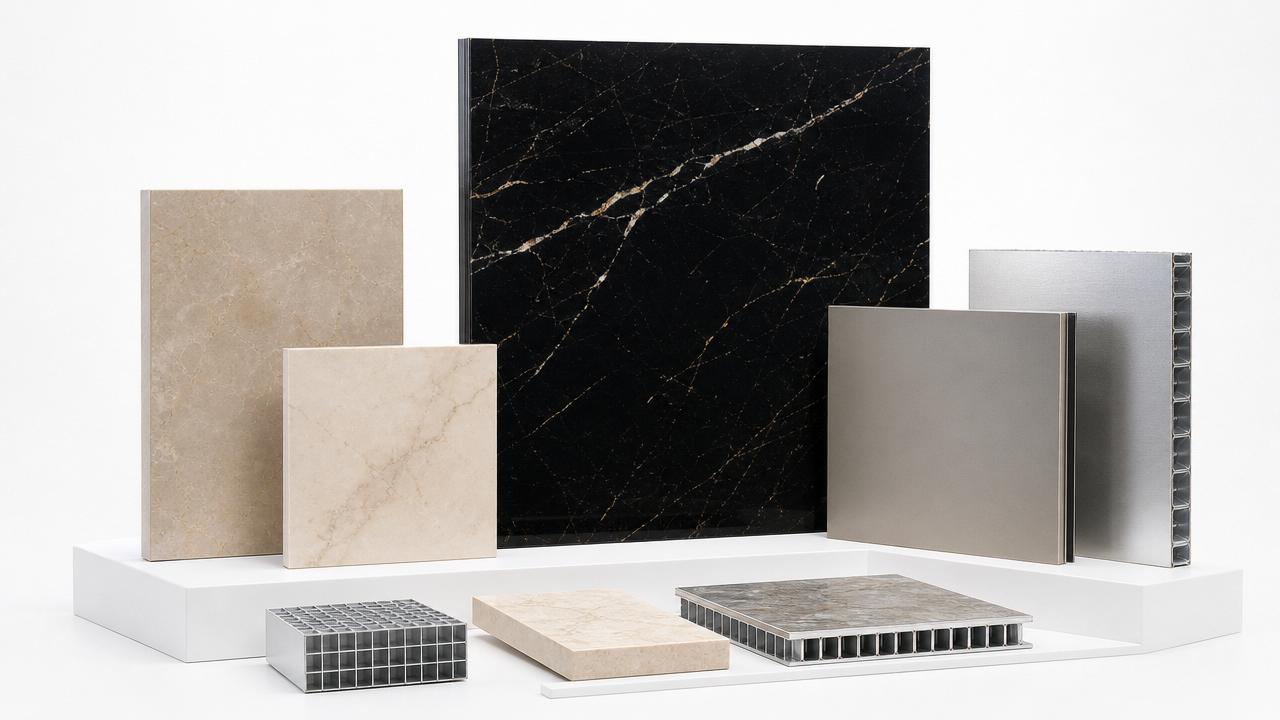
Effective May 1, 2026, China has extended zero-tariff treatment to all African countries with which it maintains diplomatic relations—a policy expected to reduce export costs for natural stone and composite panels by 8–12%. This move directly impacts the building materials export sector, particularly firms engaged in trade with Sub-Saharan Africa, where demand for cost-effective, high-durability cladding and structural materials is rising amid infrastructure and social housing programs.
Event Overview
The State Council’s Tariff Commission announced that, from May 1, 2026 to April 30, 2028, preferential zero-tariff treatment will apply to imports from the 20 African countries with formal diplomatic ties to China. Covered products include granite and marble rough blocks, as well as composite honeycomb panels. The measure is implemented under China’s Generalized System of Preferences (GSP) framework and does not extend to non-diplomatic partners or third-country transshipments.
Impact on Industry Segments
Direct Export Trading Enterprises: These firms—especially those registered under China’s Exporter Registration System for Construction Materials—will see immediate reductions in landed cost per container. Lower tariff incidence improves margin flexibility and strengthens competitiveness against Indian and Turkish suppliers in tenders for landmark projects in South Africa, Nigeria, and Kenya. However, benefit realization depends on timely customs documentation compliance and origin certification accuracy.
Raw Material Procurement Enterprises: While upstream quarries and block suppliers in Fujian, Shandong, and Guangdong are not directly subject to tariff changes, their pricing power may weaken if downstream exporters shift sourcing toward lower-cost domestic alternatives to preserve export margins. Observably, this could accelerate consolidation among mid-tier quarry operators unable to scale certified origin documentation.
Processing and Manufacturing Enterprises: Factories producing finished slabs, calibrated tiles, and bonded composite panels stand to gain from increased order volume—particularly for standardized sizes used in public housing façades. Yet analysis shows that gains hinge less on tariff reduction than on consistent access to African import licensing windows and conformity assessment capacity in destination markets. Delays in SABS (South Africa), SONCAP (Nigeria), or KEBS (Kenya) approvals remain binding constraints.
Supply Chain Service Providers: Logistics intermediaries, freight forwarders, and GSP-certification support agencies face modest near-term upside: higher inquiry volume for Africa-bound consolidated shipments and origin verification services. Still, current capacity utilization remains uneven across ports—Xiamen and Qingdao report stronger readiness for Africa-focused documentation workflows than inland hubs like Chongqing or Zhengzhou.
Key Considerations and Recommended Actions
Verify Eligibility and Origin Documentation Protocols
Exporters must confirm whether their African trading partners are among the 20 diplomatically recognized countries—and ensure each shipment includes Form A certificates validated by local chambers of commerce. Misclassification risks duty clawbacks or shipment detention.
Reassess Pricing and Tender Strategy for Key Markets
Firms targeting South Africa’s Human Settlements Department or Kenya’s Affordable Housing Programme should recalibrate landed-price bids using the 8–12% cost reduction as a baseline—not as guaranteed margin uplift—since logistics, insurance, and local VAT still apply.
Strengthen Local Partner Capacity Building
Given variable regulatory enforcement across African customs authorities, exporters are advised to co-train local distributors on GSP documentation handling and pre-shipment inspection coordination—particularly for composite panels, where classification disputes over HS code 6810.99 vs. 6815.99 have occurred historically.
Editorial Perspective / Industry Observation
This policy is better understood as a strategic alignment tool than a standalone trade catalyst. Analysis shows its impact is contingent on parallel improvements in African port efficiency, harmonization of construction material standards (e.g., ASTM vs. SANS), and Chinese exporters’ ability to localize after-sales technical support. From an industry perspective, the zero-tariff window creates urgency—not for rapid market entry—but for deeper, institutionally grounded partnerships that outlast the two-year policy term.
Conclusion
The zero-tariff initiative marks a meaningful, albeit time-bound, step toward strengthening China–Africa building materials trade. Its longer-term significance lies less in immediate cost savings and more in signaling renewed institutional commitment to infrastructure-linked supply chains. A rational reading suggests cautious optimism: tangible benefits will accrue selectively—to prepared, compliant, and locally embedded actors—not uniformly across the sector.
Source Attribution
Official announcement issued by the Tariff Commission of the State Council of the People’s Republic of China, dated April 28, 2026 (Document No. [2026]17). Implementation details published via China Customs’ GSP Portal (www.customs.gov.cn/gsp). Note: Coverage scope, beneficiary country list, and product HS codes remain subject to periodic review; stakeholders should monitor updates through the Ministry of Commerce’s Africa Trade Advisory Unit.
Industry Briefing
Get the top 5 industry headlines delivered to your inbox every morning.