
MIIT Launches 2026 Industrial Energy-Efficiency Diagnostics
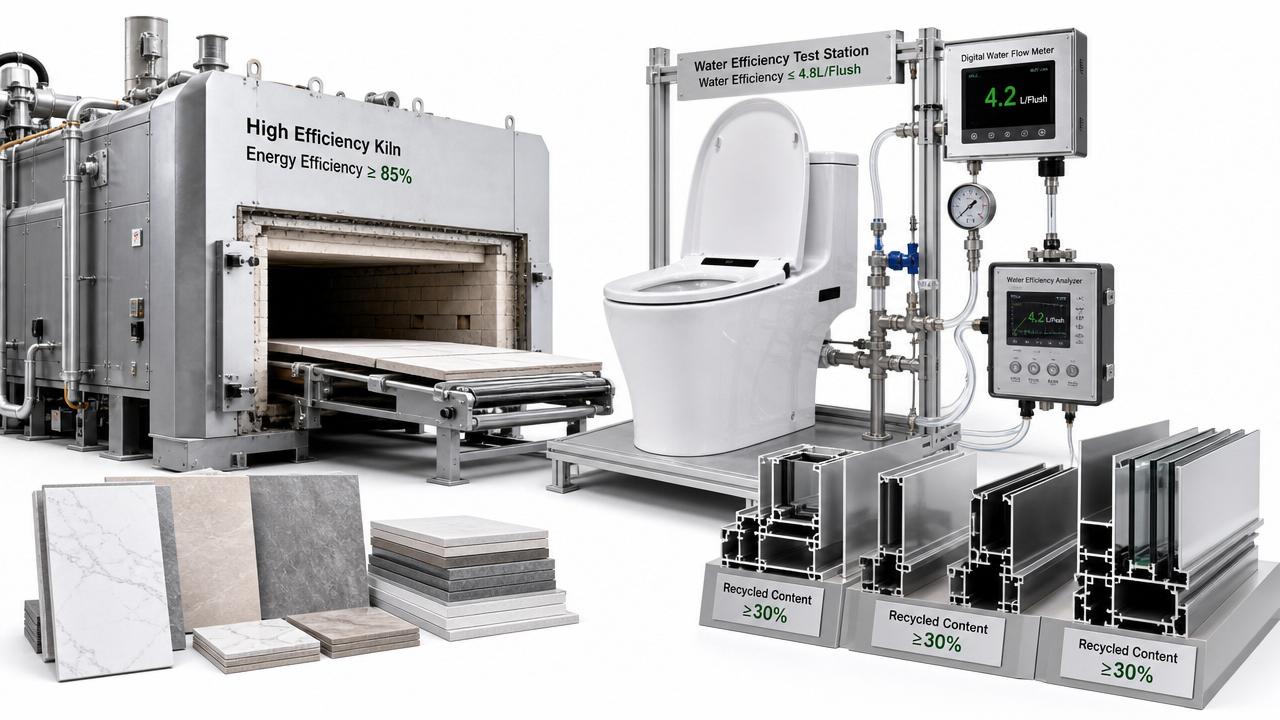
On May 12, 2026, China’s Ministry of Industry and Information Technology (MIIT) officially launched the 2026 Industrial Energy-Efficiency Diagnosis Service program. Targeting energy-intensive segments of the building materials and home furnishings sector, the initiative aims to strengthen carbon management capabilities at the supplier level—responding to tightening global supply chain sustainability requirements and evolving ESG disclosure expectations from overseas buyers.
Event Overview
On May 12, 2026, MIIT initiated the 2026 Industrial Energy-Efficiency Diagnosis Service. The first phase covers 2,000 enterprises across ceramic tile, sanitary ware, and hardware manufacturing. Twelve core metrics are included: kiln energy efficiency for ceramic production, water efficiency of smart toilets, and recycled content rate of metal window and door profiles, among others. Enterprises receiving diagnosis become eligible to apply for green technology upgrade subsidies and gain priority access to international carbon accounting platforms—including CDP (Carbon Disclosure Project).
Industries Affected
Direct Export-Oriented Trading Enterprises
These firms act as intermediaries between Chinese manufacturers and overseas importers or retailers. They are affected because their downstream clients increasingly require verified carbon data for scope 3 emissions reporting. Under this program, diagnostic outcomes provide auditable, standardized metrics—reducing verification friction and potentially shortening onboarding timelines for new international accounts. However, the benefit is contingent on actual participation by their upstream suppliers.
Raw Material Procurement Enterprises
Suppliers of clay, glazes, brass alloys, or PVC compounds face indirect pressure: downstream manufacturers may begin specifying certified low-carbon inputs to meet diagnostic benchmarks—especially where material composition affects final product water/energy performance. While not directly enrolled in diagnostics, procurement firms must now anticipate traceability demands and prepare documentation on embodied energy or recycled content.
Manufacturing Enterprises (Ceramic, Sanitary Ware, Hardware)
This group constitutes the primary cohort selected for diagnosis. Participation triggers operational scrutiny—notably on thermal process control (e.g., kiln temperature profiling), fixture-level water metering, and scrap metal segregation systems. Compliance does not mandate immediate retrofitting, but diagnostic reports serve as baseline references for subsidy applications and future regulatory alignment—such as upcoming national standards on product-specific carbon labels.
Supply Chain Service Providers
Firms offering energy auditing, ESG reporting software, or carbon accounting integration services stand to see increased demand—but only if they align with MIIT’s technical protocols and recognized platform interfaces (e.g., CDP-compatible data schemas). Those lacking interoperability with domestic industrial data systems (e.g., MES or ERP-integrated energy monitoring modules) may find market entry barriers rising.
Key Focus Areas and Recommended Actions for Relevant Enterprises
Verify Eligibility and Apply Before the First Cut-off
Eligibility is determined by enterprise scale, sector classification, and prior energy consumption reporting history. Firms should cross-check their registration status in MIIT’s Industrial Green Development Platform and submit preliminary applications by June 30, 2026—the stated deadline for Phase I intake.
Align Internal Data Collection with the 12 Diagnostic Indicators
Manufacturers should map existing metering infrastructure against the 12 metrics—for example, confirming whether smart toilet production lines log real-time flow rates per unit, or whether extrusion presses record alloy batch IDs linked to scrap recovery logs. Gaps identified here inform both diagnostic readiness and longer-term digitalization planning.
Assess Subsidy Eligibility Against Green Tech Upgrade Criteria
The green tech upgrade subsidy is not automatic upon diagnosis completion. Applicants must demonstrate that proposed investments—e.g., variable-frequency drive retrofits for kiln exhaust fans or closed-loop water recycling systems—directly address gaps flagged in the diagnostic report. Pre-feasibility assessments are advisable before formal application.
Editorial Perspective / Industry Observation
Observably, this initiative marks a structural shift: rather than treating energy efficiency as a standalone compliance item, MIIT is embedding it within broader supply chain transparency frameworks. Analysis shows that linking diagnostic outcomes to CDP access—and thereby to multinational buyer requirements—signals an intentional convergence of domestic policy tools with international ESG infrastructure. From an industry perspective, this is less about ‘carbon taxation’ and more about standardizing data provenance: what matters is not just how much energy a kiln uses, but whether that usage can be traced, verified, and exported in globally accepted formats. Current evidence suggests adoption will be uneven—larger exporters are likely to prioritize participation, while SMEs may delay until subsidy terms clarify co-funding ratios or third-party verification costs.
Conclusion
This program does not introduce new mandatory limits, but it significantly lowers the transaction cost of ESG credibility for Chinese manufacturers serving global markets. Its long-term significance lies in institutionalizing measurement discipline—turning previously fragmented facility-level data into interoperable, audit-ready inputs for both domestic green finance mechanisms and international carbon accounting. A rational observation is that its success will hinge less on diagnostic volume and more on how consistently those diagnostics feed into actionable investment decisions and verifiable disclosures.
Source Attribution
Official announcement issued by the Ministry of Industry and Information Technology (MIIT), May 12, 2026; supporting technical guidelines published via the MIIT Industrial Energy Conservation and Comprehensive Utilization Information Network. Further details—including regional implementation schedules and subsidy application templates—are expected in mid-June 2026 and remain under observation.
Industry Briefing
Get the top 5 industry headlines delivered to your inbox every morning.