
Skshu Leads Global Faux Stone Coatings Sales
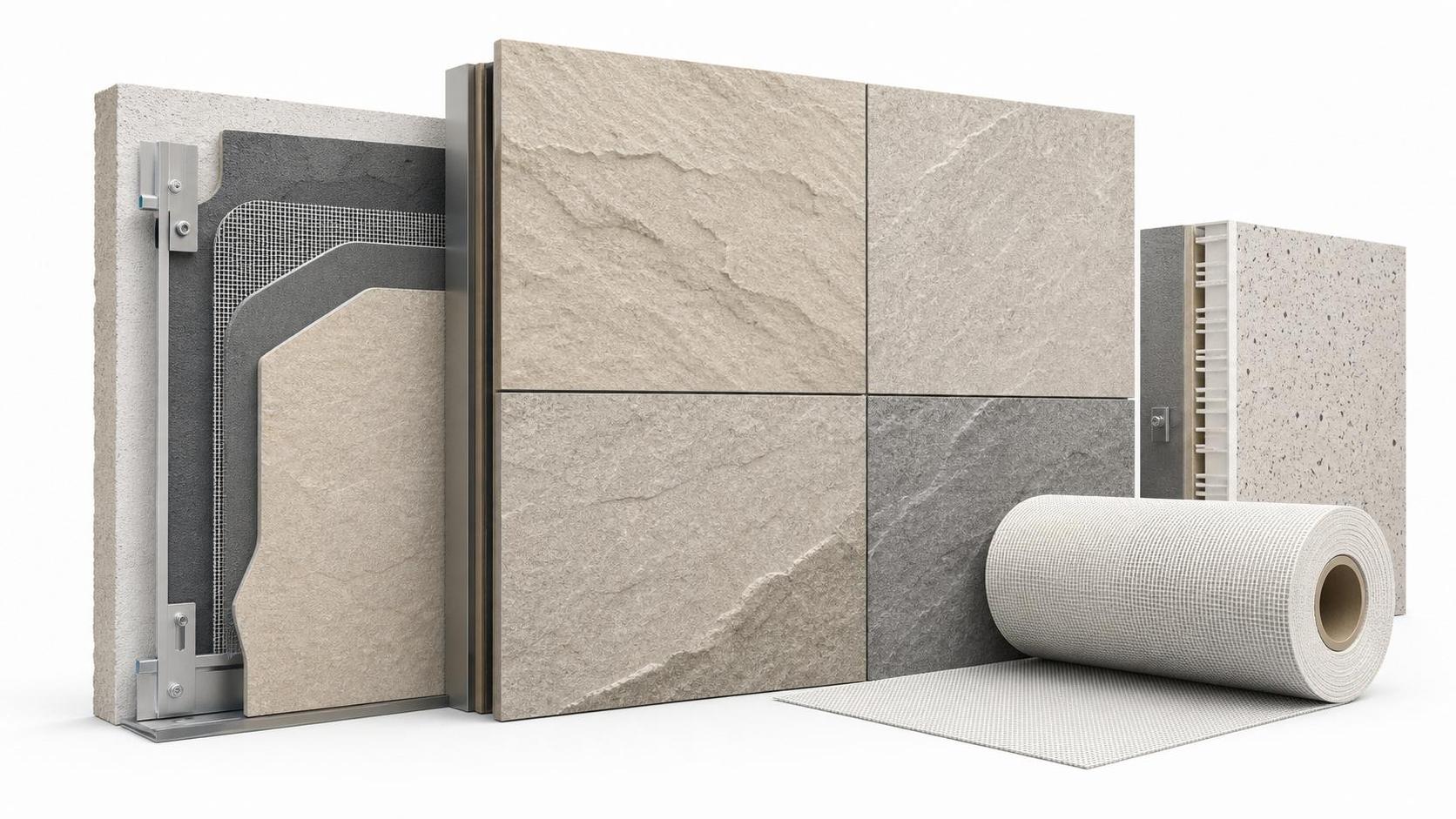
The timing of this development is not specified in the source input, but the market signal is clear: the latest sales leadership of SKSHU in faux stone coatings is being read alongside a materials-selection shift in facade projects. As water-based, low-VOC faux stone coatings gain use as a substitute for natural stone curtain walls in parts of the Middle East and Southeast Asia, the change matters not only for coating suppliers, but also for importers, facade system buyers, specification teams, compliance reviewers, and delivery planners watching how procurement rules, technical requirements, and bid documents may adjust.
What the reported development confirms
According to the provided summary, a Frost & Sullivan 2026 report states that SKSHU ranked first globally in faux stone coating sales and retained that position. The same summary states that its 2025 sales exceeded 160,000 tons.
The provided information also indicates that the product's high-simulation appearance and water-based low-VOC characteristics are being used by developers in the Middle East and Southeast Asia to replace natural stone curtain wall applications. In parallel, the summary states that this is indirectly contributing to a structural decline in Natural Stone import demand and increasing the coordinated use of Composite Panel and Tech Textiles within facade systems.
Why procurement and trade workflows may start to shift
Importers tied to stone-based facade demand
From an industry perspective, companies linked to Natural Stone import flows may be affected because the reported substitution trend changes what is being specified at project level. The immediate impact is less about a single trade restriction and more about a possible adjustment in sourcing mix, order visibility, and product documentation needs. What deserves closer attention is whether procurement documents begin to reduce stone-heavy facade language and place more emphasis on coating performance, system compatibility, and supporting technical files.
Facade system suppliers and processors
Suppliers working across coating, panel, and textile-related facade components may see a more integrated specification environment. Analysis shows that when faux stone coatings are considered as a replacement material, the business impact can extend beyond surface finish selection into system design alignment, substrate compatibility, and coordinated delivery. These companies may need to pay closer attention to technical bid alignment, product test records, and the consistency of application guidance across multiple facade materials.
Project buyers and specification teams
Developers, contractors, and project procurement teams may face a practical review of how tender language and acceptance standards are written. If a project moves away from natural stone and toward low-VOC coating-led facade solutions, buyers may need clearer product descriptions, environmental performance declarations, sample approval procedures, and traceable technical documentation at the bidding and delivery stages. The key issue is not a confirmed new rule in the input, but a likely tightening of specification-based compliance expectations.
Inspection, certification, and documentation service providers
Firms involved in testing, certification support, and technical file review may also be drawn more deeply into project execution if substitution decisions continue. Observably, a facade material change often increases demand for document consistency across coatings, panels, and auxiliary materials. In this context, service providers should watch for shifts in client requests related to VOC-related claims, system documentation, application standards, and acceptance records, even though no specific certification regime is identified in the source input.
Practical issues companies should monitor now
Check whether technical specifications are changing
Companies supplying facade-related products should monitor whether upcoming tender files, project specifications, or buyer requirement sheets begin to describe faux stone coating solutions more explicitly. This matters because specification language often becomes the first operational signal of a rule shift in procurement and delivery, even before broader market practice is settled.
Prepare compliance and product files carefully
Where low-VOC and water-based features are part of the commercial proposition, businesses should review whether their existing technical documents, test reports, declarations, and product descriptions are sufficient for cross-border review and project submission. The source input does not provide detailed execution standards, so this should be treated as a compliance watchpoint rather than a confirmed new filing requirement.
Reassess sourcing and delivery coordination
For companies exposed to Natural Stone, Composite Panel, and Tech Textiles within the same facade supply chain, procurement planning may need closer coordination if substitution trends continue. Analysis shows that the issue is not only demand movement between categories, but also timing risk in orders, supplier qualification checks, and delivery sequencing when more system-based facade packages are adopted.
Watch after-sales and traceability expectations
If facade buyers increasingly compare substitute materials on performance and documentation, after-sales support and quality traceability may become more important in contract execution. Companies should therefore watch whether customers request clearer batch records, installation guidance, or post-delivery support terms, especially in export-facing transactions.
How this signal is best interpreted at this stage
Observably, this development is better understood as an execution signal from the market than as proof of a newly issued formal regulation. The information provided does not identify a new law, policy number, or official standard revision. Even so, the reported substitution of natural stone by water-based low-VOC faux stone coatings suggests that practical compliance expectations in procurement, specification review, and facade system documentation may be evolving through project-level adoption.
From an industry perspective, that makes this a trend worth tracking rather than a completed rule change. Continued attention is warranted because market-led material substitution can later influence tender wording, buyer qualification criteria, documentation norms, and the balance between aesthetic, environmental, and delivery requirements.
What the market should take from it
The main significance of this development lies in the link between product adoption and possible downstream rule adjustment in project execution. Confirmed facts support the view that faux stone coatings are gaining commercial traction and affecting material choice in some overseas markets. The broader implications for trade structure, procurement practice, and compliance review are still best treated as emerging rather than settled.
It is more appropriate to understand this as a credible market indicator that may shape future specification and sourcing behavior, especially where low-VOC, facade appearance, and system coordination are becoming more important in delivery decisions.
Source basis and points requiring verification
This article is generated from the user-provided news title, event timing, and event summary. The timing of the event is not clearly specified in the input, and no official source link is provided in the input, so further verification remains necessary.
For developments of this type, relevant source categories typically include official announcements, regulator releases, customs or trade authority information, industry association updates, standard-setting documents, and reporting from authoritative media. Further observation should focus on whether later disclosures clarify policy detail, certification interpretation, tender document changes, industry feedback, or how companies are implementing related material-selection decisions in practice.
Industry Briefing
Get the top 5 industry headlines delivered to your inbox every morning.