
CPSC Recall Flags Nickel Limits in Shower Faucet Sets
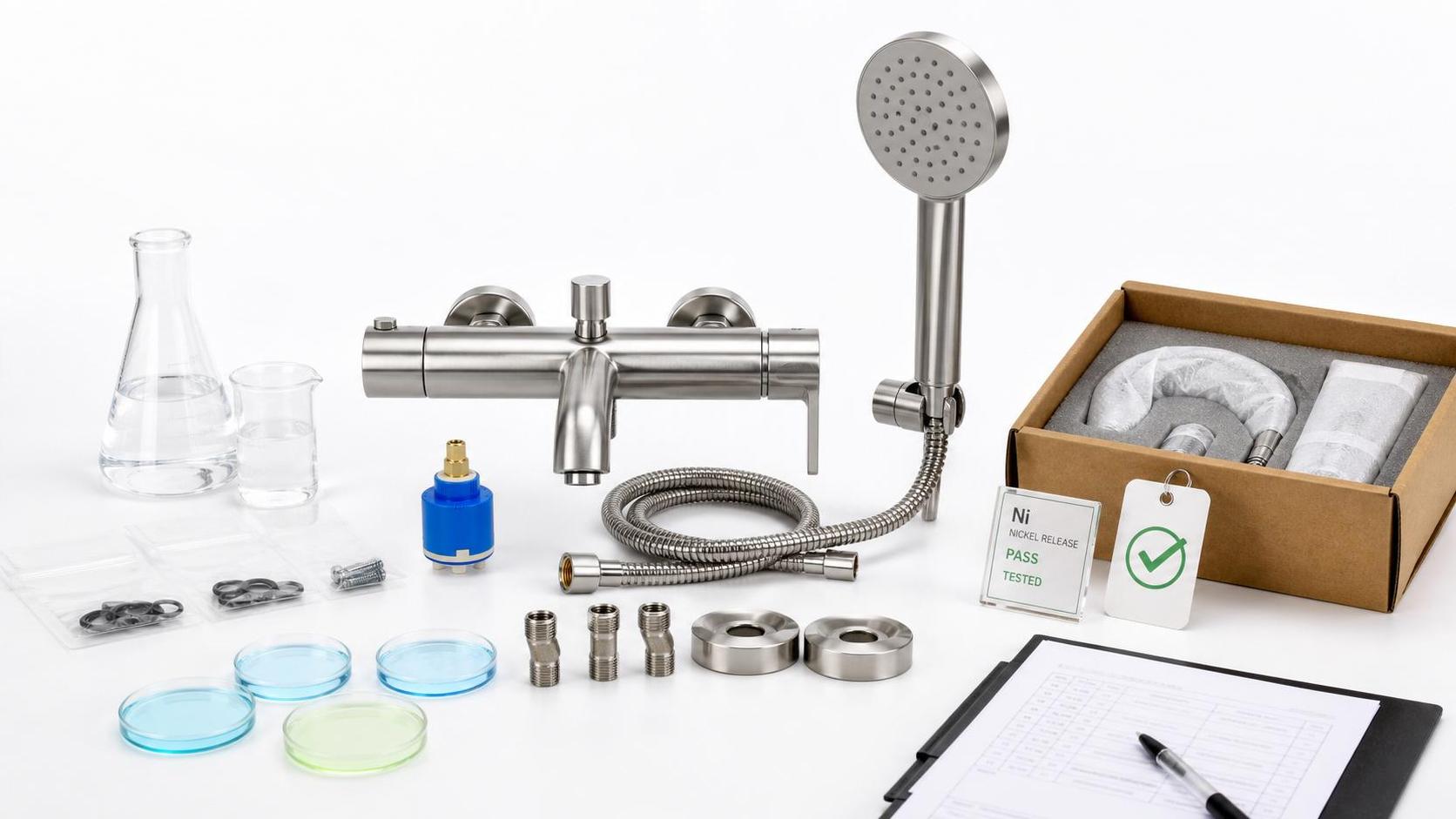
On July 10, 2026, the U.S. Consumer Product Safety Commission (CPSC) issued Recall #26-219 covering three batches of shower faucet sets made by three Chinese manufacturers after nickel release was found to exceed the ASTM F2994-23 limit. Because the products were distributed through channels spanning eight countries, including Canada, Australia, and the UAE, the development is relevant not only to manufacturers but also to importers, distributors, compliance teams, and supply chain operators. The added point of concern for the market is that the case has already led to tighter port inspections for the same product category, with Q3 customs examination rates expected to rise by 40%.
What the recall notice confirms
The confirmed facts are limited but clear. The CPSC released the recall notice on July 10, 2026 under Recall #26-219. The affected products are shower faucet sets produced by three Chinese manufacturers. The stated reason for the recall is nickel release above the limit set by ASTM F2994-23. The distribution network linked to the recalled products covered eight countries, including Canada, Australia, and the UAE. The event has also triggered stronger port-of-entry sampling and inspection by the CPSC for imports in the same category, and Q3 clearance inspection rates are expected to increase by 40%.
Where the pressure may appear across the chain
Export-facing suppliers may face closer product scrutiny
From an industry perspective, manufacturers and direct trading companies in faucets and shower systems are the first group likely to feel the effect. The immediate pressure is likely to appear in shipment readiness, product compliance review, and customer communication, especially for goods entering the U.S. market or moving through multi-country distribution arrangements. What deserves closer attention is whether existing product documentation and release-control practices are sufficient when inspections become more frequent.
Distributors may need to reassess inventory and market exposure
For channel operators and distributors, the issue is not only product recall risk but also the operational consequence of cross-border distribution. Where one product batch is tied to several markets, inventory traceability, market allocation, and downstream notification processes become more important. Analysis shows that distributors serving the U.S. and adjacent export markets may need to pay closer attention to batch identification, claims handling, and timing risks linked to customs delays.
Supply chain service providers may see a timing impact
Logistics coordinators, customs service providers, and related supply chain partners may also be affected. The reason is straightforward: a higher inspection rate can alter clearance speed, booking rhythm, and delivery predictability. Observably, the business impact here is less about the recall itself and more about how enhanced inspections can disrupt normal lead-time assumptions for the same category of imported products.
Procurement teams may revisit supplier and category risk
For buyers and sourcing teams, this development may shift attention toward supplier qualification and category-level compliance confidence. The key issue is not that every supplier will be affected equally, but that the product category has now drawn official attention. What deserves closer attention is whether procurement decisions are being made with enough visibility into material-related compliance risks and the supporting records needed when a category enters a stricter inspection cycle.
What companies should watch now
Follow official wording and any follow-on enforcement signals
Companies involved in shower faucet exports should track how the CPSC frames subsequent actions around the same category. Analysis shows that the recall notice itself is one event, while port inspection intensity is the operational signal with more immediate business consequences. These two points should not be treated as identical, even though they are clearly connected in this case.
Review documents tied to the affected compliance point
Because the stated trigger is nickel release above the ASTM F2994-23 limit, firms should focus on the records, test support, and product information directly related to that issue. This is especially relevant for shipments already planned for the U.S. market or routed through distributors serving multiple countries. The practical concern is whether documentation will hold up under a more intensive examination environment.
Prepare for slower clearance in Q3
The expected 40% increase in customs examination rates for the category is a business planning issue as much as a compliance issue. Companies should watch delivery schedules, buffer times, and customer commitments that depend on predictable clearance. Observably, the near-term risk is not limited to product rejection; it also includes timing disruption and the knock-on effect on fulfillment obligations.
Strengthen communication across supplier, customer, and service partners
Where products move through several markets and multiple distribution parties, communication discipline becomes more important. Firms should pay attention to how supplier information, shipment documents, and customer-facing updates are aligned. From an industry perspective, this is one of the few areas where businesses can reduce avoidable friction even before any broader regulatory outcome becomes clearer.
Why this looks like more than a single recall
Analysis shows that this case should not be read only as an isolated product recall. The more important signal is that a product category has drawn heightened enforcement attention at the border. At the same time, it would be premature to treat this as proof of a wider structural shift across all faucets and shower products based on the information currently available. It is more appropriate to understand this as a near-term enforcement signal with broader implications if similar notices or expanded inspection actions continue to appear.
How the market may best read this development
In practical terms, this update matters because it links a confirmed compliance failure, a multi-country distribution footprint, and an expected rise in inspection frequency for the same import category. That combination makes the issue relevant beyond the recalled batches themselves. The most balanced reading at this stage is that the event is a short-term operational warning with potential longer-term significance, depending on whether official follow-up actions remain limited to this case or develop into a sustained pattern.
Basis of this article and what still needs verification
This article is based on the user-provided news title, event date, and event summary regarding the CPSC recall notice dated July 10, 2026. For this type of industry update, relevant source categories typically include official recall notices, company statements, industry association releases, authoritative media reporting, and standards-related documents. A specific official source link was not provided in the input, so the underlying notice and any later enforcement updates still require ongoing verification. Continued attention should be paid to any further CPSC statements, additional actions affecting the same product category, and whether inspection intensity remains elevated beyond Q3.
Industry Briefing
Get the top 5 industry headlines delivered to your inbox every morning.