What water-efficient innovations matter in daily use?
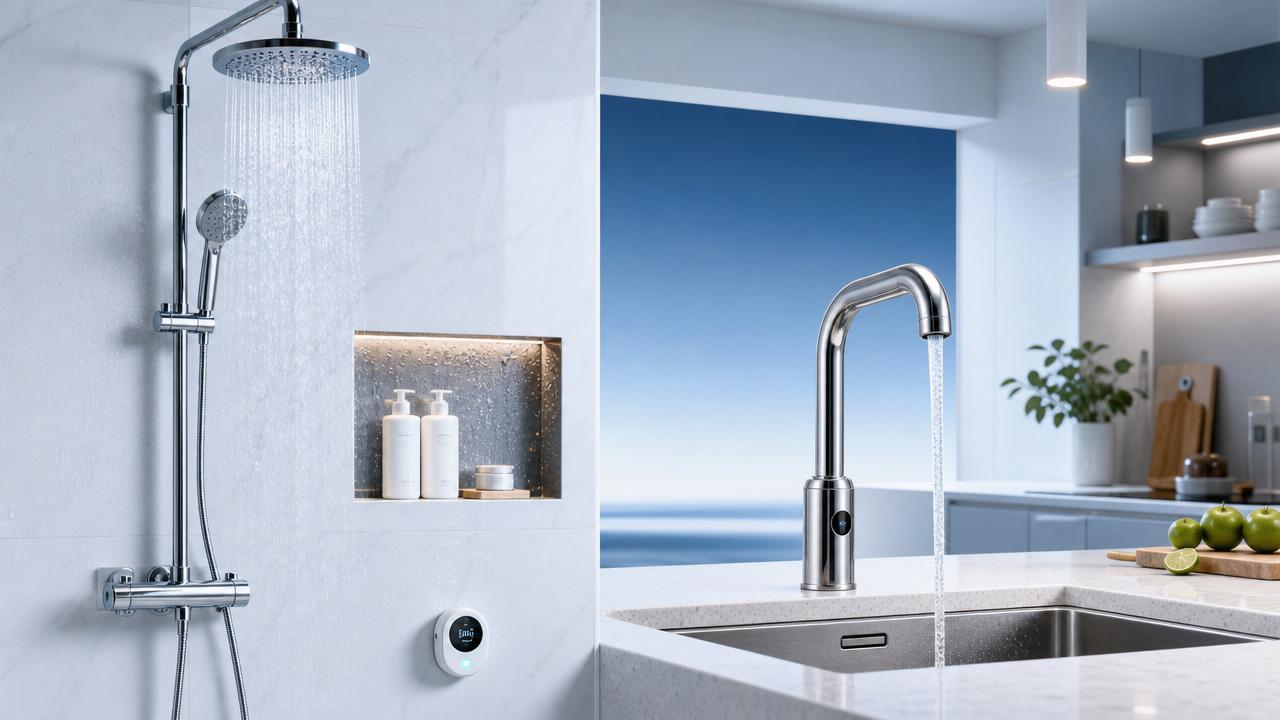
From low-flow fixtures to smart leak detection, water-efficient innovations are changing daily routines in visible and invisible ways. They reduce waste, support hygiene, and improve comfort without forcing major lifestyle compromises.
In kitchens, bathrooms, laundry zones, and shared buildings, the best water-efficient innovations are not always the most advanced. The most valuable options are those that match real usage patterns, maintenance capacity, and long-term space performance.
For GIAM, this topic connects directly with smarter residential civilization and more resilient commercial space design. Water-efficient innovations now sit at the intersection of material science, hydraulic design, digital monitoring, and sustainability standards.
Why daily-use scenarios matter more than product labels
Many buyers focus on advertised flow rates alone. That approach misses how water-efficient innovations perform under real pressure conditions, cleaning habits, occupancy levels, and user expectations.
A low-flow faucet may save water in one home but frustrate users in another. A smart valve may be ideal in a second residence but excessive in a small apartment.
The better question is simple: which water-efficient innovations matter in daily use, and in which space do they create measurable value?
This scenario-based view is increasingly important across the building ecosystem. It helps align design choices with comfort, compliance, maintenance realities, and long-term operating costs.
In bathrooms, comfort and savings must work together
Bathrooms remain the strongest daily-use case for water-efficient innovations. Showers, faucets, and toilets consume water repeatedly, making small efficiency gains highly meaningful over time.
Shower systems: where users notice efficiency immediately
Water-saving showerheads matter when they preserve spray quality. Aeration, pressure compensation, and optimized nozzle geometry often matter more than headline flow reduction.
Thermostatic controls also support water-efficient innovations. They reduce the waste created while users adjust temperature, especially in family homes and hospitality-style bathrooms.
Toilets and dual-flush systems: practical, proven, essential
High-efficiency toilets remain among the most practical water-efficient innovations. Dual-flush designs, pressure-assisted flushing, and improved bowl engineering reduce consumption without sacrificing cleaning performance.
In shared or high-traffic environments, reliability matters more than feature complexity. A durable, easy-to-service flushing system often outperforms a highly digital but fragile alternative.
In kitchens, precision and hygiene define real value
Kitchen water use is less repetitive than bathroom use, but it is highly sensitive to convenience. Here, water-efficient innovations must support rinsing, preparation, and cleaning without slowing daily tasks.
Smart faucets help reduce waste during short tasks
Touchless and sensor-based faucets are important water-efficient innovations in kitchens. They limit unnecessary flow during hand washing, vegetable rinsing, and multitasking around the sink.
Their hygiene benefit is equally important. Less surface contact helps reduce contamination, which makes these systems especially relevant in health-conscious homes and shared pantry spaces.
Efficient dishwashing depends on behavior and appliance design
Modern dishwashers can outperform manual washing in water efficiency. However, the gain appears only when loads are full, cycles are suitable, and pre-rinsing habits are controlled.
This shows an important truth about water-efficient innovations: user behavior can amplify or erase the technology’s intended benefit.
In whole-home systems, leak prevention often saves the most
Some of the most valuable water-efficient innovations are not visible every day. Leak detection systems, shutoff valves, and usage monitoring tools can prevent major hidden losses.
Smart leak detection turns water data into action
A slow leak under a sink or behind a wall can waste significant water before anyone notices. Smart sensors detect abnormal flow patterns and trigger alerts or automatic shutoff.
These water-efficient innovations are especially useful in vacation homes, rental units, aging buildings, and mixed-use properties where continuous supervision is limited.
Pressure management protects both water use and fixtures
Excessive pressure increases water waste and fixture wear. Pressure-reducing valves and balancing systems improve daily consistency while supporting the performance of low-flow devices.
Without proper pressure control, even well-designed water-efficient innovations may underperform or create an unsatisfactory user experience.
Different spaces need different water-efficient innovations
Not every innovation fits every environment. Space type, occupancy, plumbing age, and maintenance habits strongly influence which upgrades matter most.
How to choose the right upgrade for each scenario
The most effective path is usually phased, not all-at-once. Start with the points of highest daily use or highest hidden loss.
- Choose shower and toilet upgrades first in bathrooms with heavy daily use.
- Add sensor or pull-down efficient faucets in kitchens with frequent rinsing tasks.
- Install leak detection early in older buildings or intermittently occupied spaces.
- Check water pressure before replacing fixtures to ensure expected performance.
- Prefer easy-to-service systems where maintenance access is limited.
- Review certifications, local standards, and replacement part availability.
This practical sequence helps water-efficient innovations deliver visible savings while maintaining user satisfaction. It also aligns better with renovation budgets and lifecycle planning.
Common mistakes that weaken water-saving results
A frequent mistake is treating all low-flow products as equal. Poor spray design or weak flushing performance can push people to use more water, not less.
Another mistake is ignoring maintenance. Mineral buildup, dirty aerators, sensor failures, and neglected valves can reduce the effectiveness of water-efficient innovations over time.
There is also a planning gap between fixtures and infrastructure. Efficient outlets cannot compensate for leaking pipes, unstable pressure, or outdated plumbing layouts.
Finally, some spaces overinvest in complexity. A simple, durable upgrade may outperform a connected system if the digital features are rarely used.
Why these innovations matter for modern living and building intelligence
Water-efficient innovations are no longer niche sustainability features. They now support healthier interiors, better operating discipline, and more intelligent building performance across residential and commercial settings.
For GIAM’s view of spatial evolution, the strongest solutions combine technical reliability with aesthetic integration. Good design today must conserve resources without disrupting everyday comfort.
That is why the best water-efficient innovations matter in daily use: they work quietly, fit naturally, and create long-term value where people actually live, wash, cook, and maintain space.
Next steps for making smarter water decisions
Begin with a simple audit. Identify where water is used most, where waste is hardest to see, and which fixtures create friction in everyday routines.
Then prioritize water-efficient innovations by scenario, not by trend. Match fixture upgrades, leak control, and smart monitoring to the actual conditions of the space.
When decisions are guided by usage patterns, maintenance reality, and spatial goals, water-efficient innovations become more than eco-friendly add-ons. They become practical infrastructure for better living.
Industry Briefing
Get the top 5 industry headlines delivered to your inbox every morning.