Bathroom system design mistakes that raise long-term costs
Bathroom system design mistakes rarely look serious at handover.
The real damage appears later through leaks, service calls, water waste, mold risk, and expensive retrofits.
That is why bathroom system design should be treated as a lifecycle investment, not a finish-selection exercise.
Across housing, hospitality, healthcare, offices, and mixed-use projects, stronger planning reduces hidden operating costs and protects asset value.
For GIAM, this topic sits at the intersection of material science, hydraulic performance, compliance, and smarter spatial intelligence.
What does bathroom system design include, and why do mistakes become so expensive?
Bathroom system design covers more than fixtures, tiles, and visible fittings.
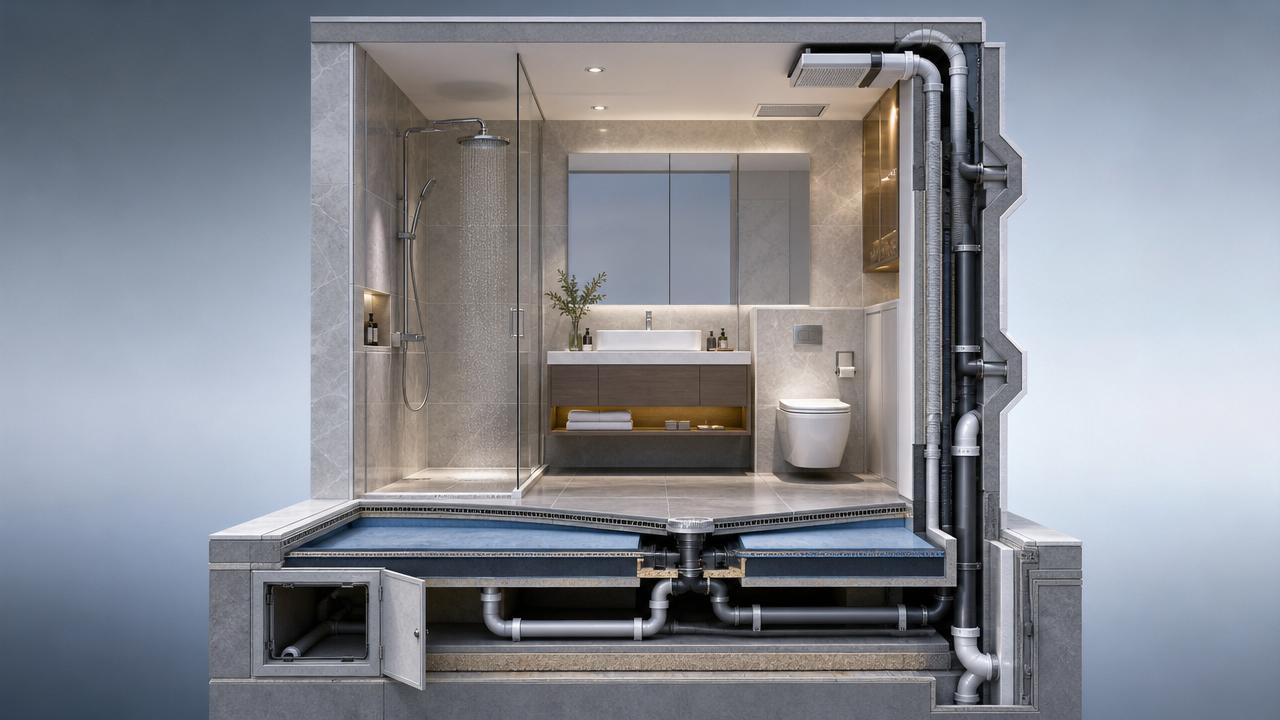
It includes water supply, drainage, waterproofing, ventilation, surface materials, electrical safety, access zones, cleaning logic, and future maintenance paths.
When one part is poorly coordinated, the whole system loses efficiency.
A cheap drain layout can increase clogging frequency.
Weak waterproof detailing can trigger substrate decay and adjacent room damage.
Inadequate ventilation can shorten sealant life and raise cleaning labor.
Poor bathroom system design often stays hidden because early testing is limited.
Pressure, occupancy, and cleaning cycles expose failures over months or years.
That delayed impact makes design errors especially costly for long-hold properties.
Why early decisions matter
- Layouts determine pipe lengths, pressure balance, and service access.
- Material choices affect hygiene, durability, and replacement intervals.
- Drainage geometry influences odor control and standing water risk.
- Ventilation planning affects mold prevention and user comfort.
Which bathroom system design mistakes most often raise long-term costs?
Several errors appear repeatedly across project types.
They usually start with fragmented decisions between architecture, plumbing, finishes, and operations.
1. Poor drainage slope and trap coordination
Improper falls cause ponding, slower discharge, and recurring odors.
Cleaning teams then spend more time on water residue and staining.
2. Incomplete waterproofing continuity
Weak transitions at corners, penetrations, and thresholds are common failure points.
Repairs often require tile removal, drying time, and neighboring area restoration.
3. Limited maintenance access
Concealed valves and buried connections may look clean initially.
But one small fault can later require destructive opening work.
4. Overspecifying visible items while underspecifying system parts
Many budgets favor premium surfaces over valves, membranes, acoustic layers, and ventilation controls.
That imbalance weakens total bathroom system design performance.
5. Ignoring water efficiency and usage profiles
Flow rates must fit occupancy, pressure conditions, and local regulations.
Wrong selections can waste water or create poor user experience.
6. Weak ventilation strategy
A bathroom is a moisture system as much as a plumbing system.
If extraction rates, airflow paths, or controls are inadequate, finishes degrade faster.
How can bathroom system design be judged before installation starts?
A strong review process reduces expensive surprises.
The goal is not only compliance but also serviceability and lifecycle efficiency.
Use this pre-installation checklist
- Confirm pipe routing against structural constraints and maintenance access.
- Verify drain slopes, outlet positions, and threshold transitions.
- Review waterproofing details at every penetration and change of plane.
- Match fixture flow rates with pressure and occupancy assumptions.
- Check ventilation extraction rates and control logic.
- Confirm cleaning access around pans, basins, drains, and corners.
- Assess acoustic treatment for stacked or back-to-back wet zones.
- Plan spare parts and replacement compatibility for key components.
Good bathroom system design also needs mock-up thinking.
A single sample room can reveal splashing, access, odor, and sealing problems early.
That small test often saves major retrofit costs later.
Do bathroom system design priorities change by application?
Yes, and ignoring usage context is a common source of waste.
A residential apartment, hotel room, clinic, and public washroom do not fail in the same way.
Residential projects
Comfort, quiet operation, leak prevention, and family safety matter most.
Bathroom system design should also support future upgrades without heavy demolition.
Hospitality environments
Maintenance speed, finish durability, and consistent water performance become critical.
One recurring issue across many rooms quickly multiplies operating costs.
Healthcare and care settings
Hygiene, anti-bacterial materials, slip resistance, and easy disinfection take priority.
Here, bathroom system design must support infection control and accessibility standards.
Commercial and public spaces
High traffic increases wear on valves, seals, sensors, and partitions.
The best solution is usually robust, easy to maintain, and water efficient.
What is the difference between low upfront cost and low lifecycle cost?
They are often not the same.
A lower purchase price can hide higher labor, downtime, cleaning, and replacement expenses.
Bathroom system design should compare total ownership impact, not only procurement totals.
This comparison is especially important where utility costs and compliance expectations are rising.
GIAM’s sector lens shows that smarter system integration increasingly defines market value.
How can costly bathroom system design mistakes be prevented in practice?
Prevention starts with coordination, documentation, and realistic performance assumptions.
The most reliable projects convert bathroom system design into a measurable review process.
Practical steps that work
- Map the whole wet-area system before selecting finishes.
- Prioritize hidden layers with the same discipline as visible aesthetics.
- Standardize components where repeatability improves maintenance speed.
- Test critical details through shop drawings and sample installations.
- Document replacement access for valves, traps, and controls.
- Use water-saving technology only when performance remains stable.
- Align cleaning methods with material and joint design.
It also helps to review future regulations.
Changes in water efficiency, anti-bacterial surfaces, and smart monitoring may alter retrofit priorities over time.
Quick FAQ reference table
Long-term cost control in wet areas is rarely achieved by luck.
It comes from disciplined bathroom system design that balances hydraulics, materials, access, hygiene, and future compliance.
When hidden layers are planned well, maintenance stays manageable and assets retain value longer.
Use this framework to review current layouts, compare lifecycle risks, and identify where better bathroom system design can prevent avoidable spending.
In a market shaped by efficiency, health standards, and smart space expectations, better bathroom decisions remain a durable competitive advantage.
Industry Briefing
Get the top 5 industry headlines delivered to your inbox every morning.