
CPSC Recall Raises Compliance Pressure on Smart Toilet Seats
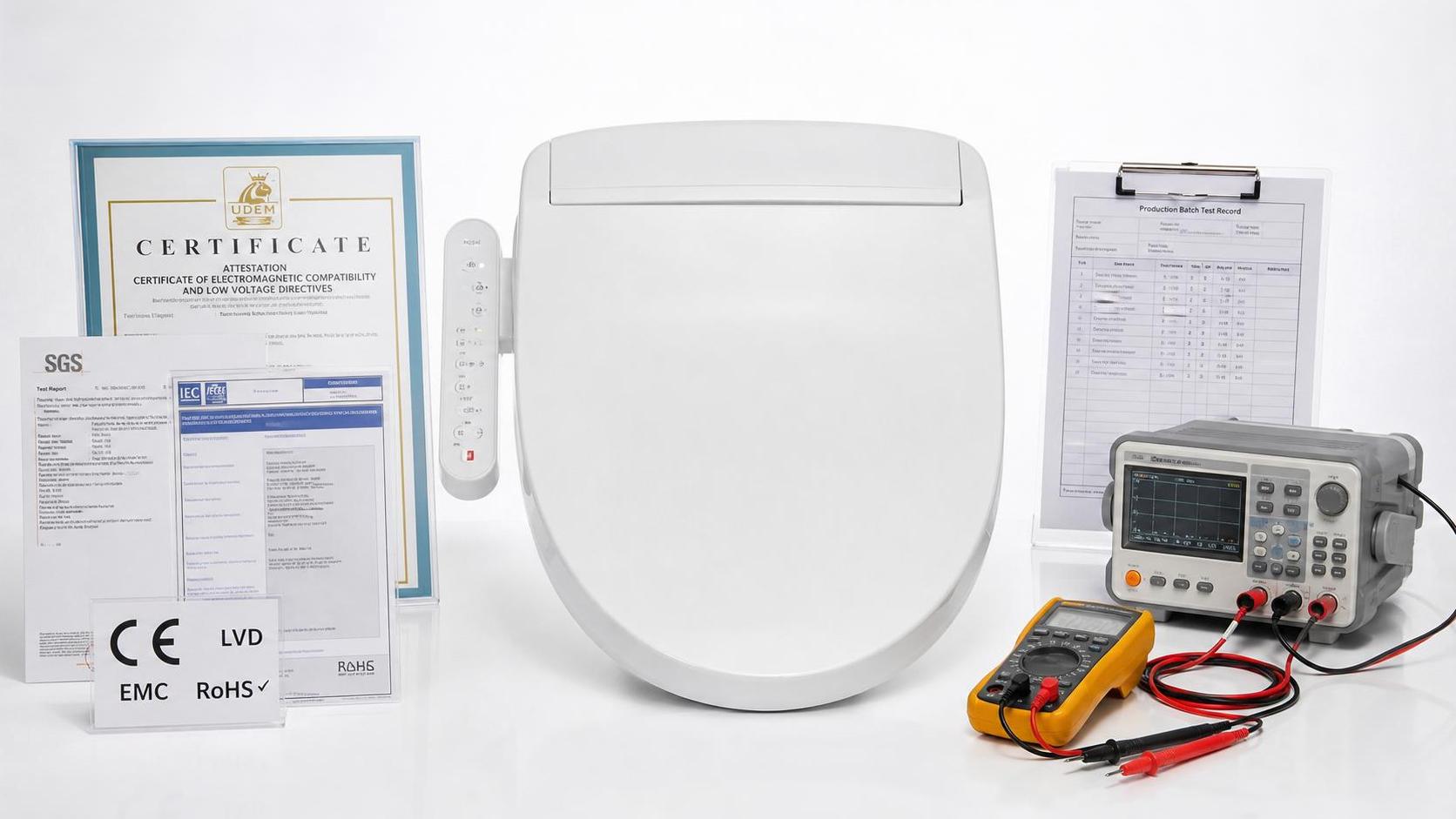
On June 24, 2026, the U.S. Consumer Product Safety Commission (CPSC) issued an emergency recall covering 172,000 smart toilet seats from three Chinese brands after an electrical leakage risk was linked to a design defect in the heated seat circuit. The development is drawing immediate attention from smart toilet exporters, importers, testing and compliance teams, and cross-border supply chain operators because it has already led to stricter electrical safety pre-inspection for similar products at the U.S. and Canadian borders.
What the recall notice confirms
The confirmed facts are limited but commercially significant. According to the provided event summary, the CPSC announced the emergency recall on June 24, 2026, involving three Chinese brands and a total of 172,000 smart toilet seats. The stated cause was an electrical leakage risk associated with a circuit design defect in heated seat functions. The same summary states that the action has triggered strengthened electrical safety pre-inspection for similar products at the U.S. and Canadian borders.
It is also confirmed that importers are now required to provide an IEC 60335-2-84:2025 certification report together with batch type-test records. For exporters of smart toilets and related products, this creates immediate compliance pressure tied to market access and shipment handling.
Where pressure may appear along the supply chain
Export-facing brands and trading companies
From an industry perspective, these companies may feel the first impact because border scrutiny can affect whether documentation is accepted quickly and whether shipments move on schedule. What deserves closer attention is the linkage between product design risk and import documentation, since the issue is no longer only about sales compliance but also about pre-entry review.
Manufacturers and product engineering teams
Analysis shows that manufacturers may face pressure in the design verification stage, especially where heated seat circuitry is involved. The immediate concern is not only the finished product, but whether technical files, certification materials, and batch-level test records are organized in a way that can support importer requests without delay.
Importers and border compliance operators
Importers and service providers handling customs, compliance coordination, or shipment release may be affected at the operational level. The reason is straightforward: the summary indicates additional documentation is now required, which means document completeness, version control, and timing may become practical bottlenecks even before broader commercial discussions begin.
Channel and downstream buyers
Observably, distributors, procurement teams, and downstream commercial buyers may need to pay closer attention to supplier documentation and delivery certainty. Even where no broader conclusion can yet be drawn, this kind of recall can prompt buyers to review whether product certification and batch testing records are available before confirming orders or delivery schedules.
What companies should review now
Check whether current files match the new review focus
Companies involved in exporting similar products should first verify whether the required IEC 60335-2-84:2025 certification report and batch type-test records are available, current, and matched to the actual shipped product versions. In practice, this is a documentation readiness issue as much as a technical one.
Compare design risk with shipment risk
Because the confirmed trigger is a heated seat circuit design defect, businesses should pay attention to whether similar design points exist in products already prepared for export or already moving through the trade pipeline. This does not establish that other products have the same defect, but it does make design review more urgent for comparable product categories.
Prepare for longer importer and customer queries
Analysis shows that the practical effect of stronger pre-inspection may include more back-and-forth with importers, buyers, or compliance partners over certification scope and batch records. Companies should be ready to answer technical and documentary questions clearly to reduce disruption in order execution and handover.
Watch for changes in official wording and enforcement practice
What deserves closer attention is the difference between a confirmed recall action and how review intensity develops afterward. Businesses should continue tracking whether official language, documentation expectations, or border handling practices for similar products become more specific in follow-up notices or related compliance communications.
How this should be understood at this stage
Observably, this development already represents a short-term compliance event because additional certification and batch test materials are described as necessary for import handling. At the same time, it is more appropriate to understand it as a broader warning signal rather than a fully defined long-term regulatory shift, because the provided information confirms tighter inspection pressure but does not establish a wider policy framework beyond this action.
From an industry perspective, the most important takeaway is that electrical safety design, certification evidence, and batch traceability are now appearing together in the same risk picture. That combination matters because it can affect both product acceptability and shipment timing.
Why the industry should keep watching
The current signal is clear: a product recall tied to electrical leakage risk has already moved beyond after-sales safety into import compliance review for similar smart toilet seat products. Analysis shows that this is best read as an immediate operational compliance issue with possible wider implications if scrutiny remains elevated. It is not yet a basis for sweeping conclusions, but it is significant enough that exporters, importers, and manufacturers should treat documentation readiness and technical consistency as near-term priorities.
About the basis of this article
This article is generated from the user-provided news title, event date, and event summary. The summary identifies the CPSC recall date, the number of affected units, the involvement of three Chinese brands, the stated electrical leakage risk, the strengthened border pre-inspection in the U.S. and Canada, and the added requirement for IEC 60335-2-84:2025 certification reports and batch type-test records.
For this type of industry update, commonly relevant source categories may include official regulator notices, company statements, industry association updates, authoritative media coverage, and standards organization documents. The specific official source link was not provided in the input, so continued verification is still necessary. Follow-up attention should focus on any additional official wording, implementation details at the border, and whether documentation expectations for similar smart toilet products are further clarified.
Industry Briefing
Get the top 5 industry headlines delivered to your inbox every morning.